How to Prevent Tooth Decay: 8 Habits That Really Work
How to Prevent Tooth Decay: 8 Dentist-Approved Habits That Really Work
Tooth decay is one of the most common health problems in the world — and one of the most preventable. Here's how cavities form, the daily habits that stop them, the warning signs to look out for and how decay is treated if it does appear.

Tooth decay affects millions of people — yet most cavities can be prevented with a few simple daily habits. Decay often develops silently, with no pain until it's quite advanced. Understanding how it starts, and what actually stops it, is the best way to keep your natural teeth — and any dental work you've had — healthy for life.
1. How Tooth Decay Happens
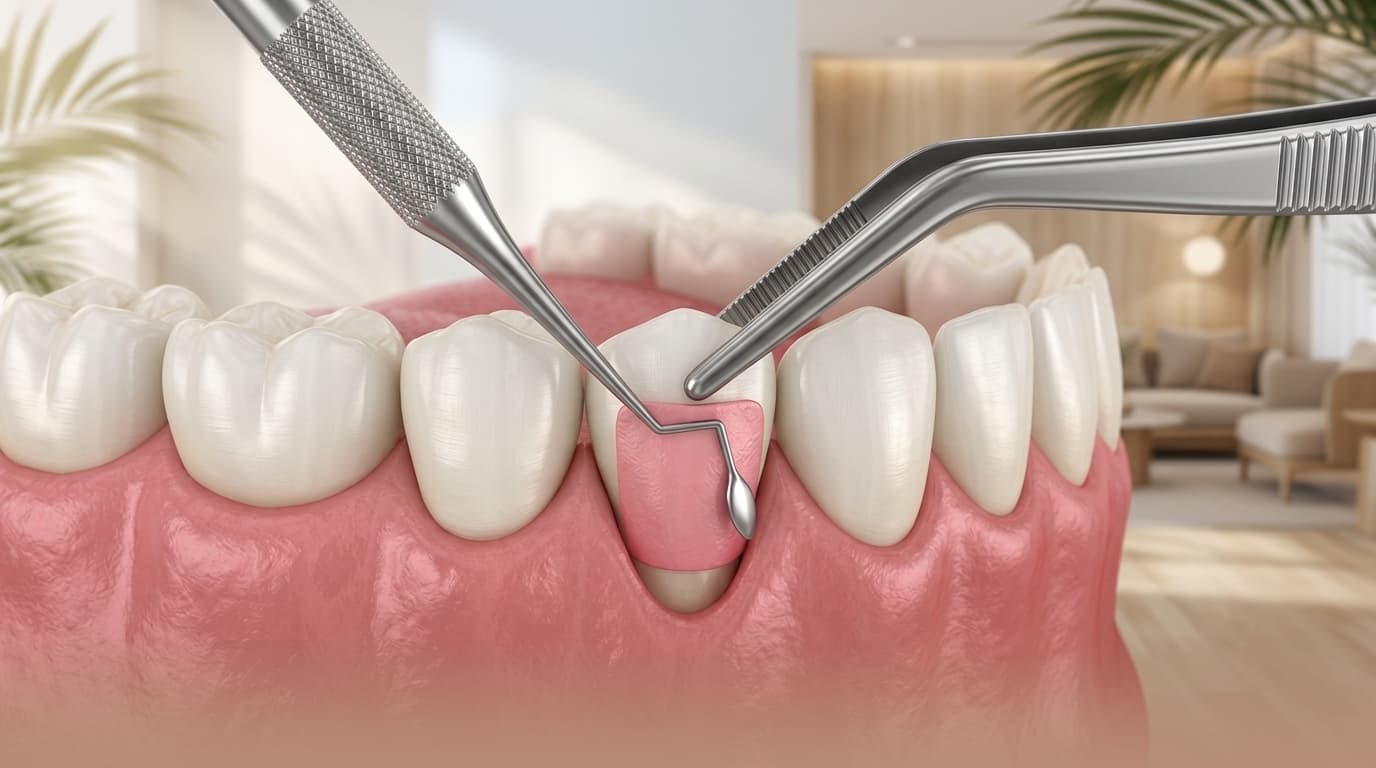
Bacteria in plaque feed on sugars and produce acid. Each time you have something sugary, that acid draws minerals out of your enamel. Saliva and fluoride help repair it — but if acid attacks happen too often, the enamel breaks down and a cavity forms.
| Stage | What Happens | Reversible? |
|---|---|---|
| Early demineralisation | White, chalky spots on the enamel | Often, with fluoride and better habits |
| Enamel decay | A small cavity forms in the enamel | No — needs a dentist |
| Dentine decay | Decay spreads faster into the softer layer; sensitivity may start | No — usually a filling |
| Pulp involvement | Decay reaches the nerve, causing pain or infection | No — root canal treatment or extraction |
2. Brush Twice a Day — the Right Way

- Brush last thing at night and at one other time each day
- Use a fluoride toothpaste — for adults, usually 1,350–1,500 ppm fluoride
- Brush for about two minutes, covering every surface and the gumline
- Spit, don't rinse — rinsing washes away the protective fluoride
- Replace your toothbrush or brush head around every three months
If you're visiting us in Antalya, our team can show you the technique that suits your teeth and any dental work.
3. Clean Between Your Teeth
A toothbrush can't reach the tight spaces between teeth — a common place for decay to start unseen. Clean between your teeth once a day with floss or interdental brushes. Our step-by-step flossing guide shows you how.
4. Cut Down How Often You Have Sugar

It's not just how much sugar you have, but how often. Every sugary snack or drink starts a new acid attack lasting around an hour.
| Habit | Why It Matters | Tooth-Friendly Swap |
|---|---|---|
| Sipping sugary drinks through the day | Keeps teeth under constant acid attack | Water or milk between meals |
| Frequent snacking | Gives enamel no time to recover | Keep sugar to mealtimes |
| Sticky sweets and dried fruit | Cling to teeth for longer | Cheese, nuts or vegetables |
| Fruit juice and smoothies | High in free sugars and acid | Whole fruit, with meals |
| Sugary drink before bed | Less saliva at night to protect teeth | Nothing but water after brushing |
Worried About a Sensitive or Dark Tooth?
Send us a close-up photo and describe your symptoms. We'll tell you whether it looks like decay and what to do next.
5. Protect Against Acid and Dry Mouth
Saliva is your mouth's natural defence: it washes away food, neutralises acid and helps repair enamel. To keep it working for you:
- Drink water regularly, especially in warm weather
- Chew sugar-free gum after meals to boost saliva
- Limit alcohol and caffeine, which can dry your mouth
- Wait about an hour after acidic food or drink before brushing
- If medicines give you a dry mouth, tell your dentist — you may need extra protection
6. Use Extra Fluoride Protection
If you're at higher risk of decay — for example with frequent cavities, a dry mouth or lots of fillings and crowns — your dentist may recommend:
High-fluoride toothpaste
A prescription-strength toothpaste for people at high risk of decay.
Fluoride varnish
A protective coating painted onto the teeth at the dental clinic.
Fissure sealants
A thin protective layer over the grooves of back teeth, where decay often starts.
Fluoride mouthwash
Used at a different time from brushing, so you don't rinse away your toothpaste.
7. Have Regular Check-Ups

Early decay often causes no pain, so regular check-ups — and X-rays when needed — are the best way to catch it while treatment is small and simple. Your dentist will set how often you need to be seen based on your risk. Read our guide to how often you need a dental check-up.
8. Warning Signs of Tooth Decay
On holiday in Antalya with a toothache? See our guide to dental emergencies in Antalya.
Get Your Teeth Checked
Planning a visit to Antalya? Send us your photos and any X-rays — we'll prepare a plan for a full check-up and any treatment you need.
9. How Tooth Decay Is Treated
| Stage | Usual Treatment |
|---|---|
| Early white spots | Fluoride, better habits and monitoring |
| Small to medium cavity | A tooth-coloured filling — see our fillings guide |
| Large cavity, weakened tooth | An inlay, onlay or crown — see our zirconia crowns guide |
| Decay reaching the nerve | Root canal treatment, usually followed by a crown |
| Tooth that can't be saved | Extraction, then an implant or bridge — see implants vs bridges |
Treatment costs are confirmed after your examination. Prices in Antalya are often around half or less of typical UK private fees — see our UK vs Turkey dental prices guide.
Healthy Smiles From Our Patients
View All Cases →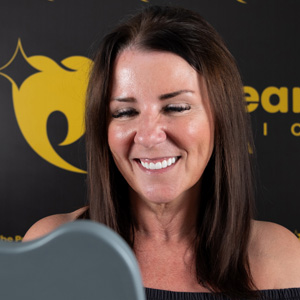
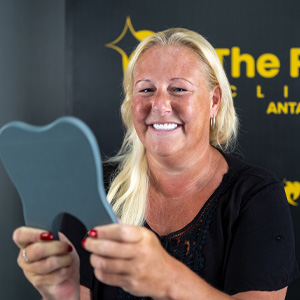

Meet Our Dental Team
About Us →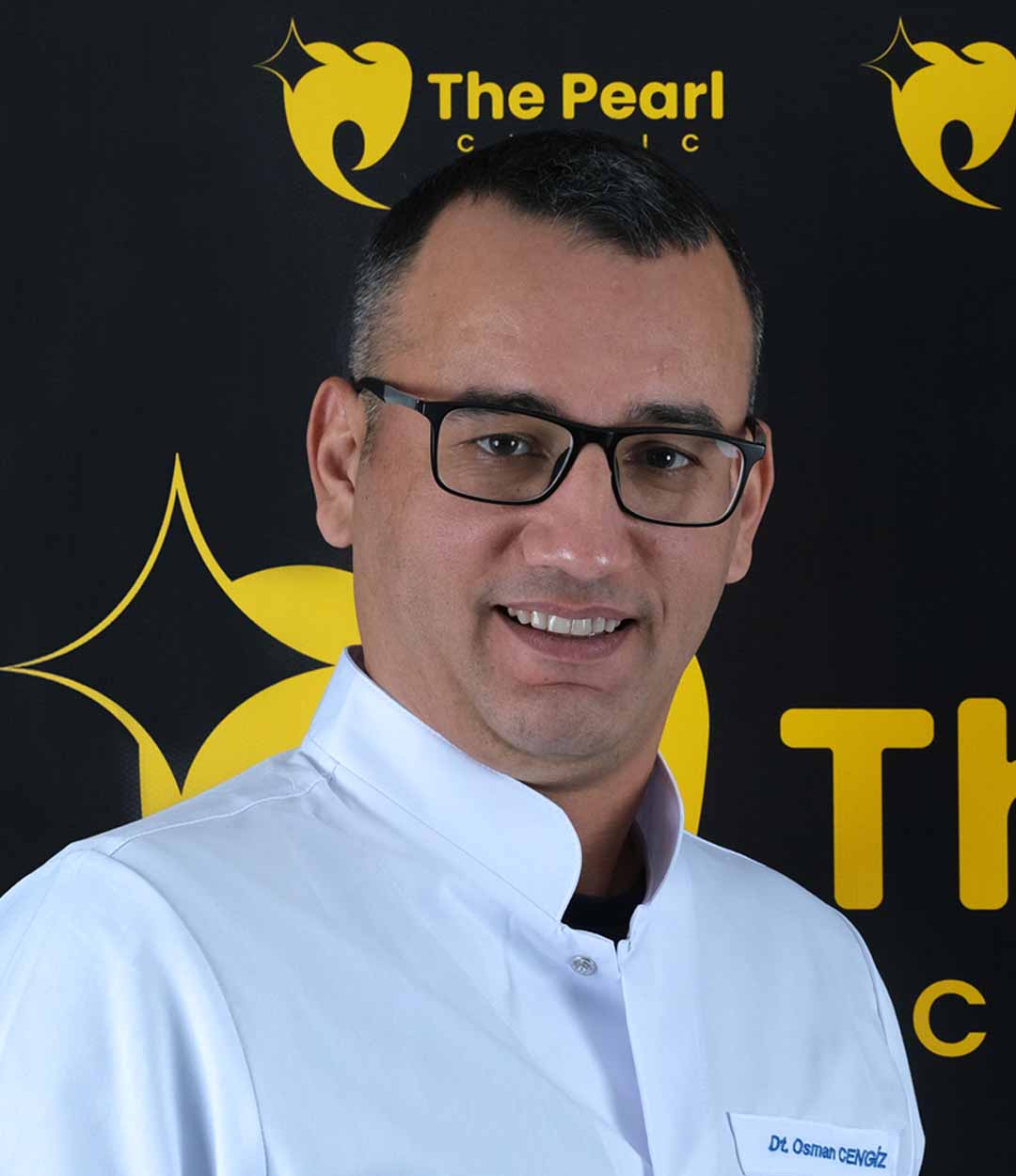
Clinic Owner
Dt. Osman Cengiz
Dentist
Dt. İrem Nur Kılınç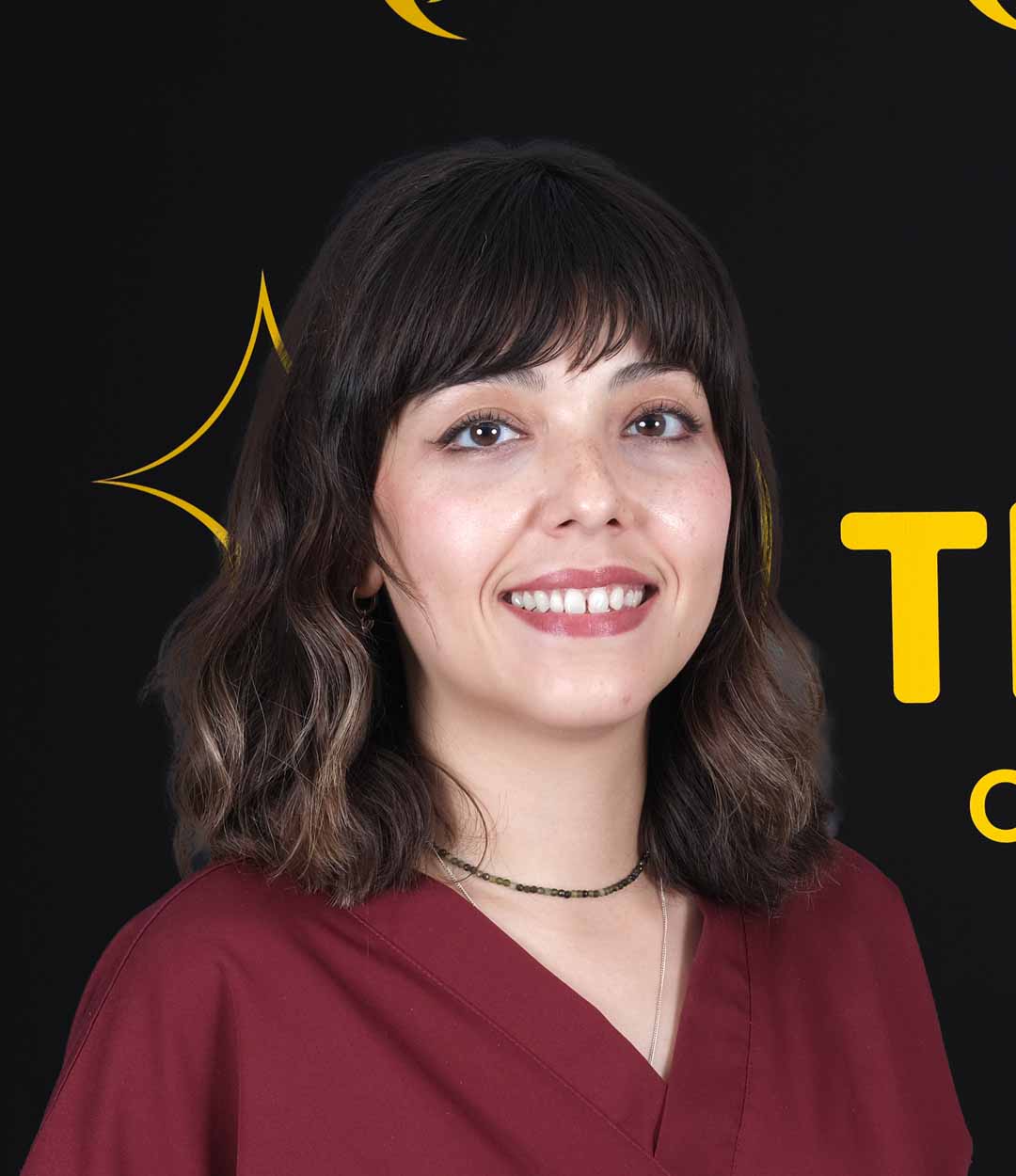
Dentist
Dt. Sevilay Özge Yağcı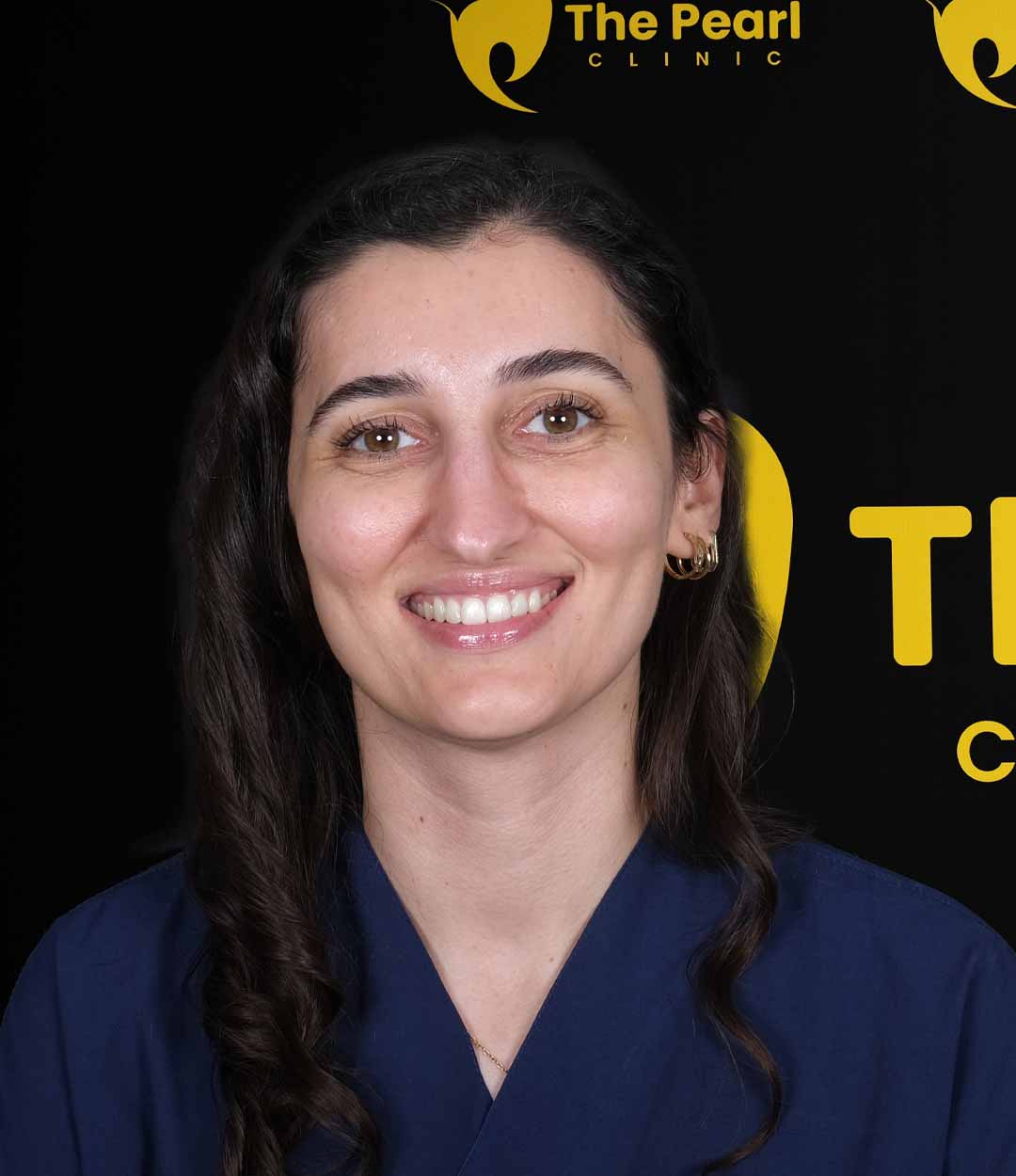
Dental Surgeon
Dt. Tuğba Taş Mammadov
Dentist
Dt. Seda Gür
General Manager
Ebru KırcalıoğluA Trusted Choice for UK Patients
Real Patient Journeys
More on YouTube →See how UK patients restored healthy, confident smiles at The Pearl Clinic Antalya.

Hollywood Smile Makeover
From the UK to Antalya
Shaun's 20-Crown Experience
OM3 Hollywood Smile
Natural-Looking Zirconia
Smile Makeover in Turkey
The Ultimate Transformation
Before & After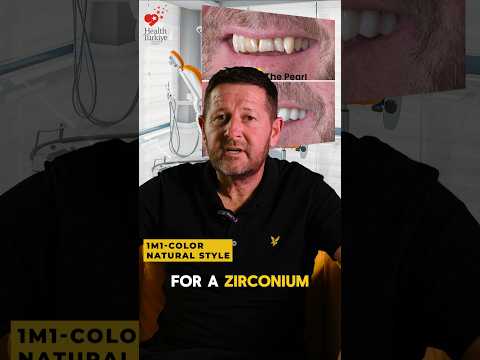
Real UK Patient Review
Zirconia Smile Makeover
This Smile Has the Force!
Zirconia Teeth in TurkeyHover to preview · Click to watch with sound
Meet Our Team in the UK
Join a face-to-face dental meet-up in selected UK cities to ask questions about your oral health and any treatment you're considering.
Book Your UK Appointment10. Frequently Asked Questions (FAQ)
How can I prevent tooth decay?
Brush twice a day with fluoride toothpaste, spit don't rinse, clean between your teeth daily, cut down how often you have sugar, drink water and have regular dental check-ups.
Can tooth decay be reversed?
Very early decay, seen as white chalky spots, can often be reversed with fluoride and better habits. Once a cavity has formed, it needs treatment from a dentist.
How can I tell if I have tooth decay?
Signs include sensitivity to sweet, hot or cold food, toothache, white, brown or black spots, a visible hole and food catching in one place. Early decay often has no symptoms, so check-ups are important.
Should I rinse after brushing?
It's best to spit out toothpaste but not rinse with water, so the fluoride stays on your teeth for longer.
What strength of fluoride toothpaste should adults use?
Most adults should use a toothpaste containing around 1,350–1,500 ppm fluoride. People at higher risk may be prescribed a stronger toothpaste.
Is it how much sugar or how often that matters?
Both matter, but how often is especially important. Each sugary snack or drink starts a new acid attack, so keeping sugar to mealtimes helps protect your teeth.
Do I still need to floss if I brush well?
Yes. A toothbrush can't reach between the teeth, where decay often starts. Clean between your teeth once a day with floss or interdental brushes.
Does chewing gum help prevent cavities?
Chewing sugar-free gum after meals can help by increasing saliva, which neutralises acid and helps protect enamel. It doesn't replace brushing and flossing.
Can dry mouth cause tooth decay?
Yes. Saliva protects teeth, so a dry mouth — often caused by medicines — increases the risk of decay. Drink water regularly and tell your dentist if you have a dry mouth.
What are fissure sealants?
Fissure sealants are thin protective coatings painted onto the grooves of back teeth, where decay often starts. They're commonly used for children and some adults at higher risk.
How is tooth decay treated?
Early decay may be managed with fluoride. Cavities are usually treated with fillings; larger ones may need an inlay, onlay or crown, and decay reaching the nerve needs root canal treatment.
Can I have tooth decay treated during a visit to Antalya?
Yes. During your stay we can carry out a full check-up and treat cavities with fillings, root canal treatment or other restorations, depending on your needs.
How often should I have a dental check-up?
Your dentist will set an interval based on your risk. Many people are seen every 6–12 months, and more often if they have frequent decay.
Healthy Teeth Start With Small Habits
Prevention is the best dentistry there is. If you're worried about a tooth or planning treatment in Antalya, send us your photos today for a free consultation.
Start My Free ConsultationThe Pearl Clinic Antalya — There's always a reason to smile | About Us | Contact Us
info@thepearlclinicantalya.com | +44 20 4652 4100 | Instagram | Facebook | YouTube | TikTok
This article is for general information and does not replace a professional dental examination.