Missing Teeth: Implants, Bridges or Dentures — What’s Best?
Missing Teeth? Dental Implants vs Bridges — How to Choose the Right Replacement
A missing tooth affects more than your smile. It can change how you chew, how you speak and even how your other teeth sit over time. Here's why tooth gaps matter, how implants, bridges and dentures compare, and what to do if you've been told you don't have enough bone.

Missing teeth are one of the most common dental problems — and one of the easiest to put off. A gap at the back of the mouth may not seem urgent, and a missing front tooth can feel like a purely cosmetic issue. But over time, missing teeth can affect chewing, speech, the position of your other teeth and even your jawbone. The good news: modern dentistry offers reliable ways to replace them. The key is choosing the option that's right for your mouth — and not waiting too long.
1. Why Missing Teeth Matter
- Chewing — fewer teeth means more pressure on the rest, and some foods become harder to eat
- Speech — front teeth in particular help you pronounce certain sounds
- Appearance and confidence — visible gaps can make people hide their smile
- Neighbouring teeth — teeth next to a gap can tilt or drift
- Jawbone — without a tooth root, the bone in that area gradually shrinks
2. Why Do We Lose Teeth?
Dentists always try to save natural teeth with fillings, root canal treatment or crowns. But sometimes extraction becomes necessary — for example when:
| Reason | What Happens |
|---|---|
| Extensive decay | Too much tooth structure is lost to be restored with a filling, root canal treatment or crown |
| Severe infection | An infected tooth can't be saved or keeps causing problems |
| Gum disease | Bone and gum support is lost, and the tooth becomes loose |
| Failed root treatment | Infection persists even after root canal treatment or apicoectomy (root-end surgery) |
| Trauma | A tooth is broken below the gum or only the root remains after an accident |
| Problem wisdom teeth | Impacted or repeatedly infected teeth may be removed |
Keeping gums healthy is one of the best ways to protect your teeth — see our gum disease treatment guide.
3. Why You Shouldn't Leave a Gap for Too Long
Teeth are held in place by the teeth around them and by the bite. When one is lost, the balance changes:
Neighbouring teeth drift and tilt
Teeth next to the gap can lean into the space, and the opposing tooth can over-erupt. Over months and years, this can reduce the room available for a future implant or bridge.
The jawbone shrinks
Bone needs stimulation from a tooth root. Without it, the bone gradually loses height and width, which can make implant placement more complex later.
The bite changes
Shifting teeth can create food traps, uneven wear and, in some cases, jaw discomfort.
Living With a Gap?
Send us a photo and a recent X-ray if you have one. We'll explain whether an implant, bridge or another option suits you best.
4. Implants vs Bridges vs Dentures
| Dental Implant | Dental Bridge | Removable Denture | |
|---|---|---|---|
| How it works | An artificial root in the bone supports a crown | Neighbouring teeth are crowned to support a false tooth | A removable plate holds false teeth |
| Neighbouring teeth | Usually untouched | Reshaped to hold the bridge | May rely on clasps |
| Jawbone | Helps preserve bone | Bone under the gap can still shrink | Bone can continue to shrink |
| Stability | Fixed | Fixed | Removable; may move |
| Treatment time | Months, including healing | About a week | Relatively quick |
| Surgery needed? | Yes | No | No |
Because an implant doesn't require reshaping healthy neighbouring teeth, many dentists now consider it the first choice for replacing a single missing tooth — when the patient is suitable. Bridges remain a good option in some cases, for example when the neighbouring teeth already need crowns. For many missing teeth, implant-supported bridges or All-on-4 / All-on-6 can replace removable dentures with fixed teeth.
5. What Is a Dental Implant?
A dental implant is an artificial tooth root, usually made of titanium, placed in the jawbone. Over a few months it bonds with the bone in a process called osseointegration. A crown, bridge or full-arch restoration is then attached to it.
Stage 1 — Implant placement
The implant is placed in the jawbone under local anaesthesia, then left to heal and integrate.
Stage 2 — Restoration
Once healed, a crown or bridge — such as a zirconia crown made in our in-house laboratory — is fitted to look and work like a natural tooth.
Implant Transformations at Our Clinic
View All Cases →


6. Who Can Have Dental Implants?
Most adults who have lost teeth can be considered for implants. Good candidates usually:
- Have finished jaw growth — typically from the late teens or early twenties
- Have healthy gums, or have had gum disease treated
- Have enough jawbone, or are suitable for bone grafting
- Are in generally good health — conditions such as diabetes should be well controlled
- Are willing to stop or reduce smoking, which affects healing
- Can keep up good oral hygiene and regular check-ups
7. Not Enough Bone? Your Options
If the jawbone has shrunk, implants may still be possible. A 3D CBCT scan shows exactly how much bone is available, and your dentist may recommend:
| Option | When It's Used |
|---|---|
| Bone grafting | To rebuild bone width or height before or during implant placement |
| Sinus lift | To add bone in the upper back jaw, where the sinus can limit bone height |
| Angled implants (e.g. All-on-4) | To make the most of existing bone for full-arch treatment, sometimes avoiding grafts |
| Shorter or narrower implants | In selected cases where bone is limited |
Bone procedures can add healing time, which your dentist will include in your plan.
Told You Don't Have Enough Bone?
Send us your X-ray or CBCT scan. Our team will review it and explain what may be possible in your case.
8. The Implant Process in Antalya, Step by Step
Step 1 — Online consultation
Share photos, X-rays and your medical history. We prepare a preliminary plan and quote.
Step 2 — Examination and 3D scan
In Antalya, a CBCT scan confirms bone volume and implant positions, and your final plan is agreed with you.
Step 3 — Implant placement
Implants are placed under local anaesthesia. Where suitable, a temporary tooth or bridge is fitted.
Step 4 — Healing at home
The implants integrate with the bone over a few months. We stay in touch on WhatsApp.
Step 5 — Final crowns or bridge
On your second visit, your final restoration is fitted and adjusted.
| Treatment | Indicative Price at Our Clinic |
|---|---|
| All-on-4 (single jaw) | £3,000 – £3,400 |
| All-on-6 (single jaw) | £3,400 – £4,000 |
| Single implants and bridges | Confirmed in your personalised quote |
Prices are indicative ranges last updated in 2025 and are confirmed after assessment. See our UK vs Turkey dental prices guide. After treatment, our implant aftercare guide explains how to keep implants healthy.
9. Nervous About Implant Surgery?
Fear of the dentist is one of the most common reasons people delay replacing missing teeth. Implant placement is carried out under local anaesthesia, so you shouldn't feel pain during the procedure — most patients describe pressure rather than pain, and some soreness afterwards that settles within days.
For anxious patients, we offer a gentle, step-by-step approach and sedation options for suitable patients. Read our guide to overcoming dental anxiety.
Your Implant Team
About Us →
Clinic Owner
Dt. Osman Cengiz
Dentist
Dt. İrem Nur Kılıç
Dentist
Dt. Sevilay Özge Yağcı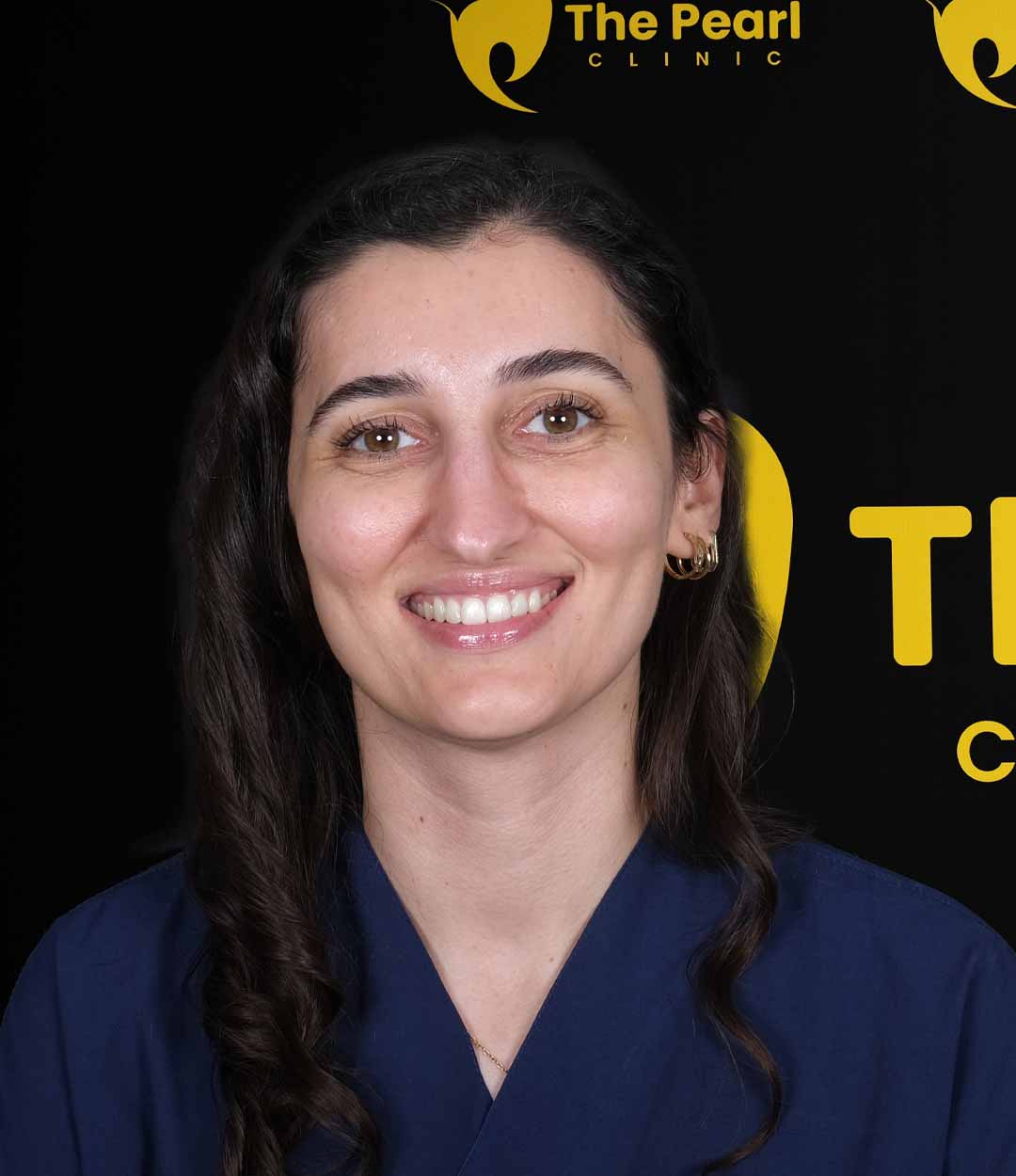
Dental Surgeon
Dt. Tuğba Taş Mammadov
Dentist
Dt. Seda Gür
General Manager
Ebru KırcalıoğluA Trusted Choice for UK Patients
Real Patients, Real Results
More on YouTube →See how UK patients replaced missing teeth and restored their smiles at The Pearl Clinic Antalya.

Hollywood Smile Makeover
From the UK to Antalya
Shaun's 20-Crown Experience
OM3 Hollywood Smile
Natural-Looking Zirconia
Smile Makeover in Turkey
The Ultimate Transformation
Before & After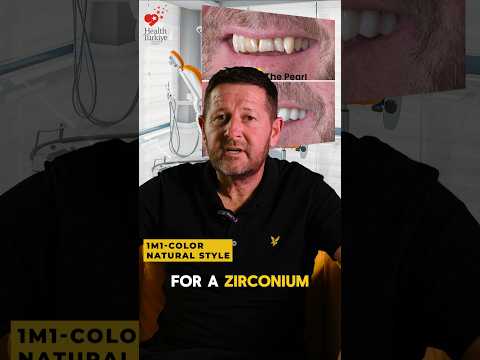
Real UK Patient Review
Zirconia Smile Makeover
This Smile Has the Force!
Zirconia Teeth in TurkeyHover to preview · Click to watch with sound

Discuss Implants Face to Face
Meet our team at a dental meet-up in selected UK cities, bring your X-rays and get your implant questions answered before you travel.
Book Your UK Appointment10. Frequently Asked Questions (FAQ)
What are the options for replacing a missing tooth?
The main options are a dental implant, a dental bridge or a removable denture. The best choice depends on your bone, gums, neighbouring teeth, health and preferences.
Is an implant better than a bridge?
For a single missing tooth, many dentists consider an implant the first choice when the patient is suitable, because neighbouring teeth don't need to be reshaped and it helps preserve the jawbone. A bridge can still be a good option, for example when neighbouring teeth already need crowns.
What happens if I don't replace a missing tooth?
Over time, neighbouring teeth can tilt or drift, the opposing tooth can over-erupt and the jawbone in the gap gradually shrinks. This can affect your bite and make future treatment more complex.
How soon should I replace a missing tooth?
Once the extraction site has healed is usually a good time to discuss replacement. In some cases, an implant can be placed at the same time as the extraction.
Who can have dental implants?
Most adults whose jaw growth is complete can be considered, provided their gums are healthy, they have enough bone or are suitable for grafting, and any health conditions such as diabetes are well controlled.
Can I have implants if I have diabetes?
Often, yes, if your diabetes is well controlled. Your dentist will review your medical history and may liaise with your doctor.
What if I don't have enough bone for implants?
Bone grafting, a sinus lift, angled implants such as All-on-4 or shorter implants may make treatment possible. A 3D CBCT scan shows exactly how much bone is available.
Are dental implants painful?
Implants are placed under local anaesthesia, so you shouldn't feel pain during the procedure. Most patients feel pressure rather than pain, with some soreness afterwards that usually settles within days.
Do you offer sedation for anxious patients?
Yes. We offer a gentle, step-by-step approach and sedation options for suitable patients. Let us know about your anxiety so we can plan around it.
How long does implant treatment take?
Implants usually need a few months to integrate with the bone before the final crown or bridge is fitted, so treatment typically involves two visits.
How long do dental implants last?
With good oral hygiene, regular check-ups and not smoking, implants can last many years. Crowns or bridges on implants may need maintenance or replacement over time.
Does smoking affect dental implants?
Yes. Smoking slows healing and increases the risk of implant problems. Stopping or reducing smoking before and after treatment improves your chances of success.
How do I start implant treatment at The Pearl Clinic Antalya?
Send us photos, any X-rays or CBCT scans and your medical history on WhatsApp. We'll review your case and send a personalised plan and quote before you travel.
Fill the Gap — Before It Gets Harder
The sooner a missing tooth is replaced, the simpler treatment tends to be. Send us your photos and X-rays today for a free consultation and a personalised plan.
Start My Free ConsultationThe Pearl Clinic Antalya — Dental Implants & Advanced Dentistry in Antalya, Türkiye | About Us | Contact Us
info@thepearlclinicantalya.com | +44 20 4652 4100 | Instagram | Facebook | YouTube | TikTok
This article is for general information and does not replace a professional dental examination. Suitability for implants is assessed individually. Prices are indicative and confirmed after clinical assessment.