Toothache in Antalya: What to Do Now and How to Get Help
Toothache & Dental Emergencies in Antalya: What to Do and Where to Get Help
A throbbing tooth can ruin a day, a night — or a holiday. Here's how to tell whether it's an emergency, safe first aid you can use right now, and how to get seen by a dentist in Antalya, whether you live here or you're visiting.

Toothache rarely arrives at a convenient time. It can start suddenly at night, flare up after a meal or appear in the middle of a long-awaited trip. For international visitors, the first question is usually: "Can I see a dentist in Antalya — and how quickly?" The answer is yes. But knowing what's causing your pain, what you can safely do in the meantime and when to go straight to hospital can make a big difference to how quickly you feel better. Keep this guide handy — it's written to be useful in the moment.
1. Can I Get Emergency Dental Treatment in Antalya?

Yes. Antalya has many dental clinics experienced in treating international visitors. At The Pearl Clinic Antalya, residents and holidaymakers alike can contact us about urgent dental problems, and we'll do our best to see you as soon as possible.
To help us assess your situation quickly, please send:
- A short description of your pain — where it is, how long it has lasted and what makes it worse
- A clear photo of the affected area, if you can take one
- Any swelling, fever or difficulty opening your mouth
- Medicines you take and any allergies
- Where you're staying in Antalya, so we can advise on getting to us
In Pain Right Now?
Message us on WhatsApp with a description and a photo. Our team will advise you and arrange an appointment as soon as possible.
2. Is It an Emergency? A Quick Triage Guide
| Urgency | Signs | What to Do |
|---|---|---|
| Go to hospital / call 112 | Swelling spreading to the eye, neck or floor of the mouth; difficulty breathing or swallowing; high fever; heavy bleeding that won't stop; serious facial injury | Seek emergency medical care immediately |
| See a dentist today | Knocked-out adult tooth; severe or throbbing pain; facial or gum swelling; large broken tooth; pain with a bad taste or pus | Contact a dentist as soon as possible |
| See a dentist within a few days | Lost filling or crown; small chip; sensitivity to hot or cold; mild, intermittent ache | Book an appointment and use first aid meanwhile |
If you're unsure, it's always better to ask. A quick message with a photo can help a dentist judge how urgently you need to be seen.
3. Common Causes of Toothache
| Cause | Typical Signs | Usual Treatment |
|---|---|---|
| Tooth decay (cavities) | Sensitivity to sweet, hot or cold; visible dark spot or hole | Filling, inlay or onlay |
| Inflamed or infected nerve | Lingering, throbbing pain; pain at night; tenderness when biting | Root canal treatment, or extraction |
| Dental abscess | Severe pain, swelling, bad taste, sometimes fever | Drainage, root canal or extraction; antibiotics only if prescribed |
| Gum disease | Bleeding, swollen gums; loose teeth; dull ache | Deep cleaning and gum treatment |
| Cracked or broken tooth | Sharp pain when biting or releasing | Bonding, crown or root canal, depending on depth |
| Wisdom tooth problems | Pain and swelling at the back of the mouth; difficulty opening | Cleaning, medication or removal |
| Sinus pressure | Ache in several upper back teeth, often with a cold or congestion | Treating the sinus problem; dental check to rule out other causes |

4. Toothache First Aid: What to Do Right Now
What helps
Rinse with warm salt water
Dissolve half a teaspoon of salt in a glass of warm water and rinse gently. It helps clean the area and can soothe irritated gums.
Gently clean around the tooth
Food trapped between teeth can cause surprising pain. Use dental floss carefully to remove it.
Use a cold compress for swelling
Hold a wrapped ice pack against your cheek for about 15 minutes at a time.
Take over-the-counter pain relief
Pharmacy painkillers can help temporarily. Always follow the dose on the label and check with a pharmacist if you take other medicines or have health conditions.
Keep your head raised at night
An extra pillow can reduce throbbing when lying down.
What to avoid
- Don't put aspirin directly on the gum — it can burn the tissue
- Don't apply heat to a swollen face — it can make infection spread
- Don't take leftover or borrowed antibiotics — they don't cure toothache and should only be used when prescribed
- Don't chew on the painful side, or eat very hot, cold or sugary food
- Don't ignore pain that keeps returning — painkillers mask symptoms, they don't fix the cause
5. Specific Dental Emergencies and How to Handle Them
Knocked-out tooth
This is one of the most time-critical dental emergencies — the sooner you act, the better the chance of saving the tooth.
- Pick the tooth up by the crown (the white part), not the root
- If dirty, rinse briefly with milk or water — don't scrub
- If you can, gently push it back into the socket and bite on a clean cloth
- If not, keep it in milk or in your cheek (not for young children) and see a dentist immediately
Broken or chipped tooth
Rinse your mouth, keep any fragment in milk or saliva and cover sharp edges with dental wax. See a dentist promptly, especially if you see a pink or red spot — it can mean the nerve is exposed. Our guide to what to do with a chipped tooth explains more.
Lost filling or crown
Keep the crown if you have it, avoid chewing on that side and use a pharmacy temporary filling material if the tooth is sensitive. Don't use household glue. A dentist can usually re-cement a crown or place a new filling.
Dental abscess and swelling
An abscess is a collection of infection, often with severe pain, swelling and a bad taste. It needs prompt dental treatment to remove the source of infection. Swelling that spreads, especially with fever or difficulty swallowing, needs urgent medical care.
Wisdom tooth pain
Partly erupted wisdom teeth can trap food and become inflamed. Warm salt-water rinses and careful cleaning help in the short term, but persistent or swollen wisdom tooth pain should be assessed — some cases need removal.
Not Sure How Urgent It Is?
Send us a photo and a short description. We'll help you understand what's happening and how soon you need to be seen.
6. Toothache on Holiday: Practical Travel Tips
Check your travel insurance
Many policies include emergency dental cover up to a limit. Keep your policy number handy and ask for receipts and treatment notes for your claim. Note that the UK GHIC card isn't valid in Turkey, so travel insurance is especially important.
Think twice before flying with untreated pain
Changes in cabin pressure can make pain from an infected tooth or a recent extraction worse. If you're due to fly, get the tooth checked first.
Bring your dental information
If you've had recent dental work, note what was done. It helps the treating dentist understand your situation.
Ask for records to take home
After emergency treatment, ask for a summary and any X-rays so your dentist at home can continue your care.
Already planning further treatment while you're in Antalya? Read our guide to choosing a dental clinic in Turkey.
7. What Happens at an Emergency Dental Appointment?
Step 1 — Listening and examination
Your dentist asks about your symptoms and medical history, then examines the painful area.
Step 2 — Diagnosis
An X-ray is often taken to see what's happening inside the tooth and bone.
Step 3 — Pain relief first
The priority is to relieve your pain and control any infection — for example by cleaning out an inflamed nerve, draining an abscess or placing a temporary filling.
Step 4 — Your options, explained
Your dentist explains the cause, the treatment options and costs. You decide whether to complete treatment in Antalya or continue at home.
Step 5 — Aftercare and records
You receive aftercare advice, any prescriptions you need and treatment notes for your insurer or home dentist.
8. How to Prevent Toothache
- Brush twice a day with fluoride toothpaste and clean between your teeth daily
- Limit sugary snacks and drinks, especially between meals
- Don't use your teeth to open packets or bottles
- Wear a mouthguard for contact sports and a night guard if you grind
- Have regular check-ups so small problems are caught early
- Get dental work checked before a long trip abroad
Restoring Comfort and Confidence
View All Cases →
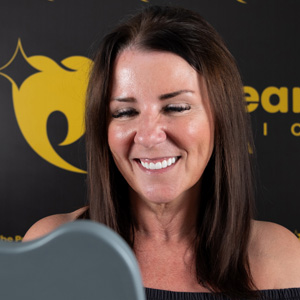

9. Why Patients Trust The Pearl Clinic Antalya
When you're in pain, you want clear answers and gentle care. Our team focuses on relieving your pain first, explaining what's happening in plain language and never pressuring you into treatment you don't need.
Meet Our Team
About Us →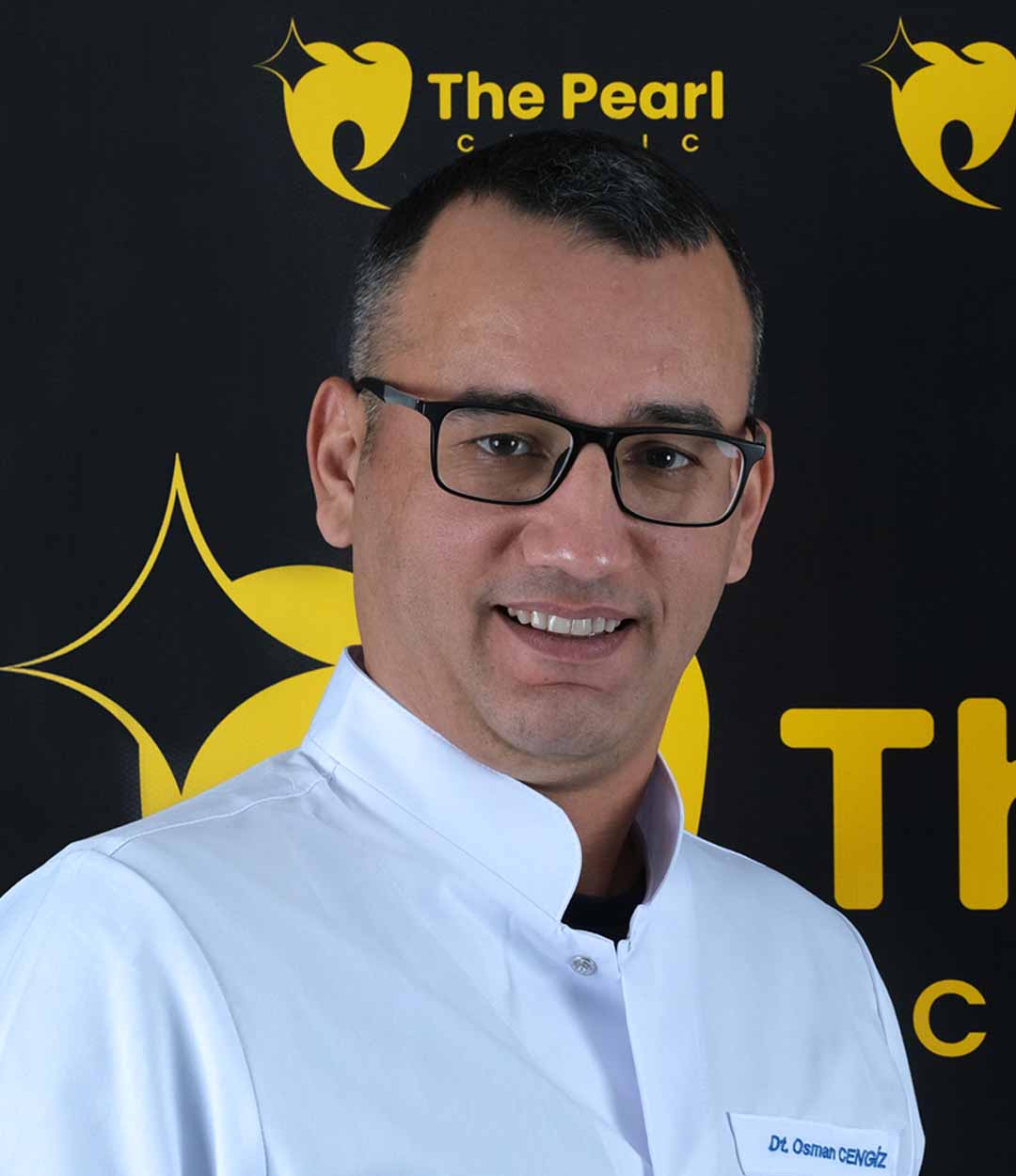
Clinic Owner
Dt. Osman Cengiz
Dentist
Dt. İrem Nur Kılıç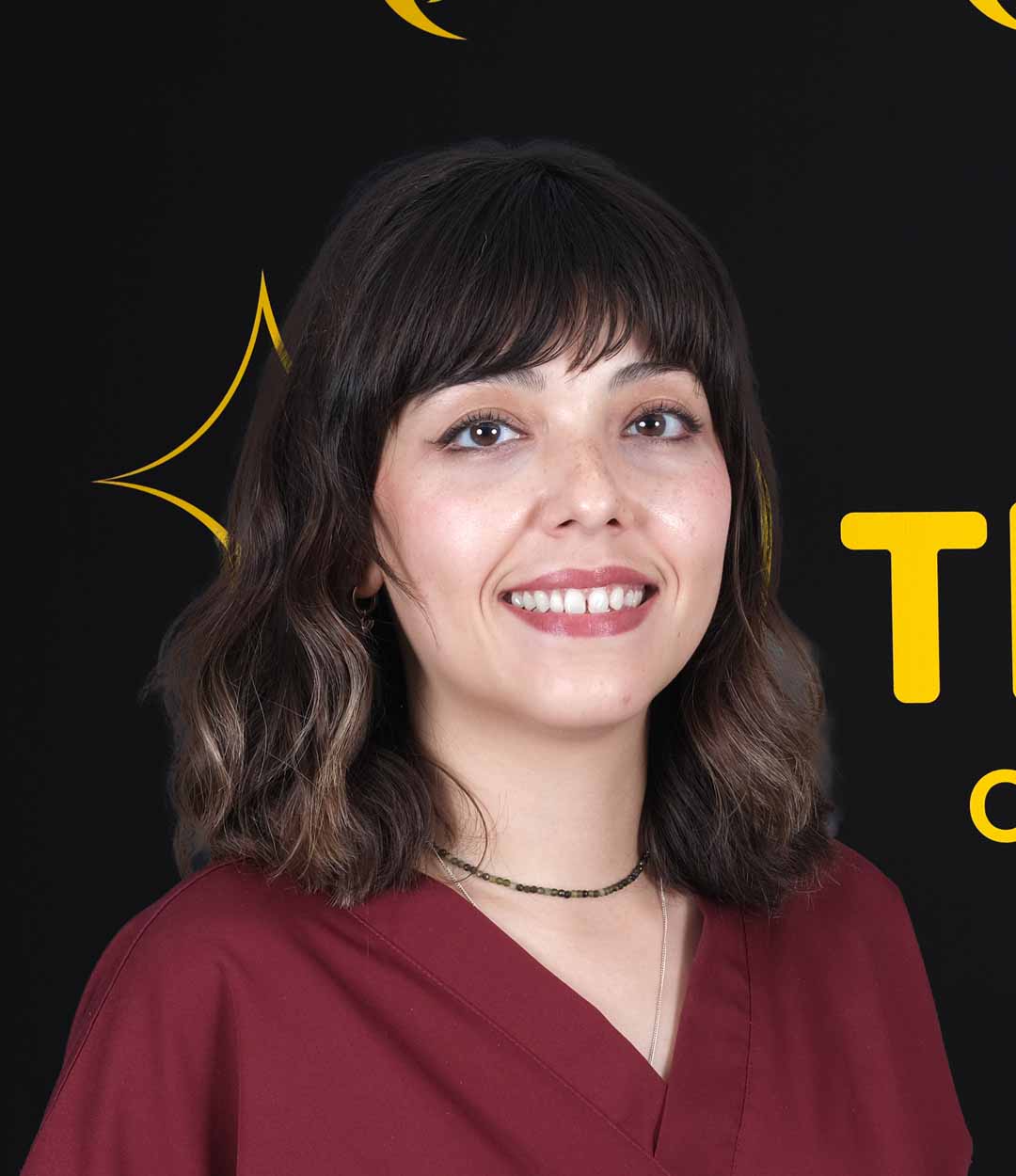
Dentist
Dt. Sevilay Özge Yağcı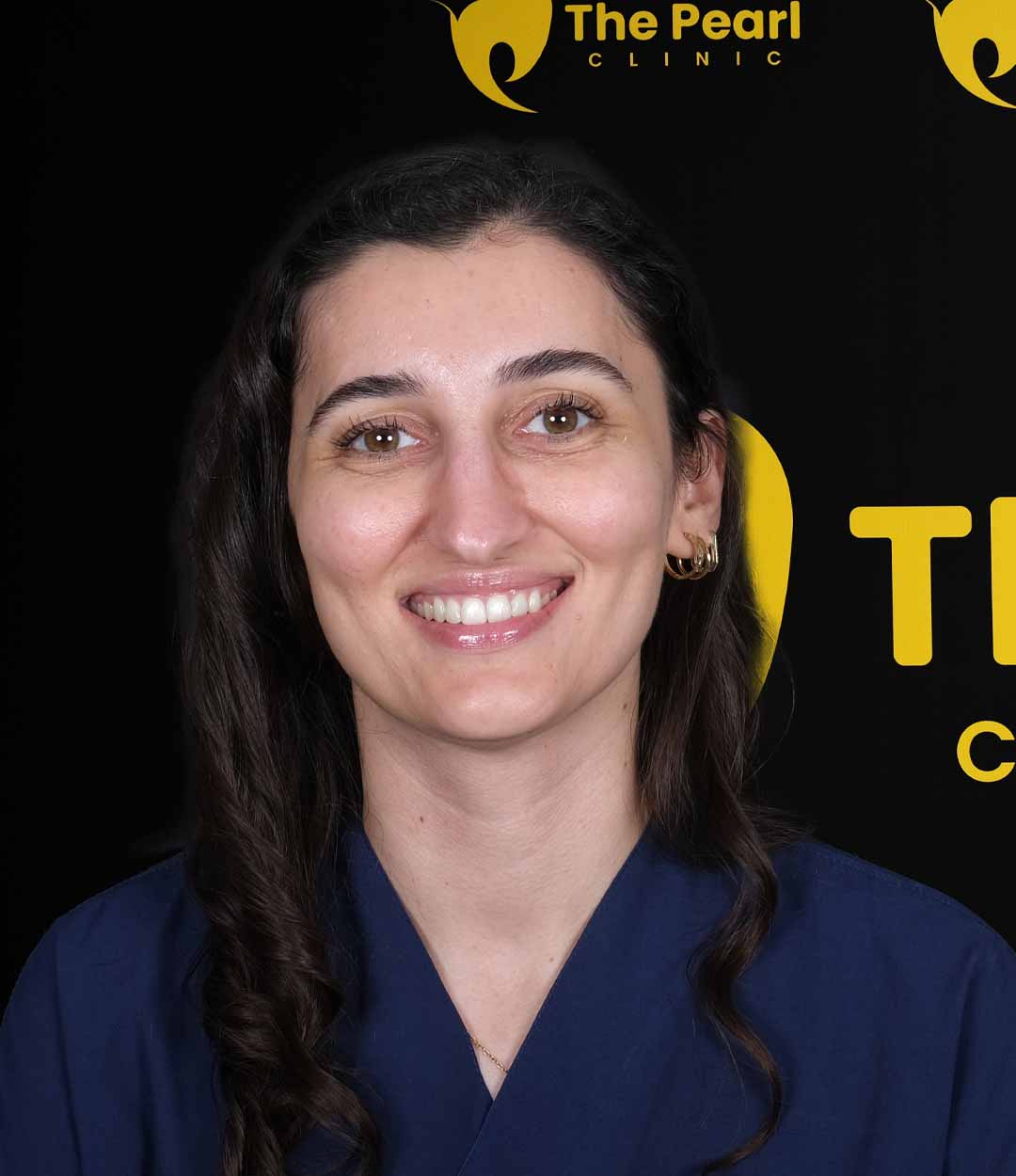
Dental Surgeon
Dt. Tuğba Taş Mammadov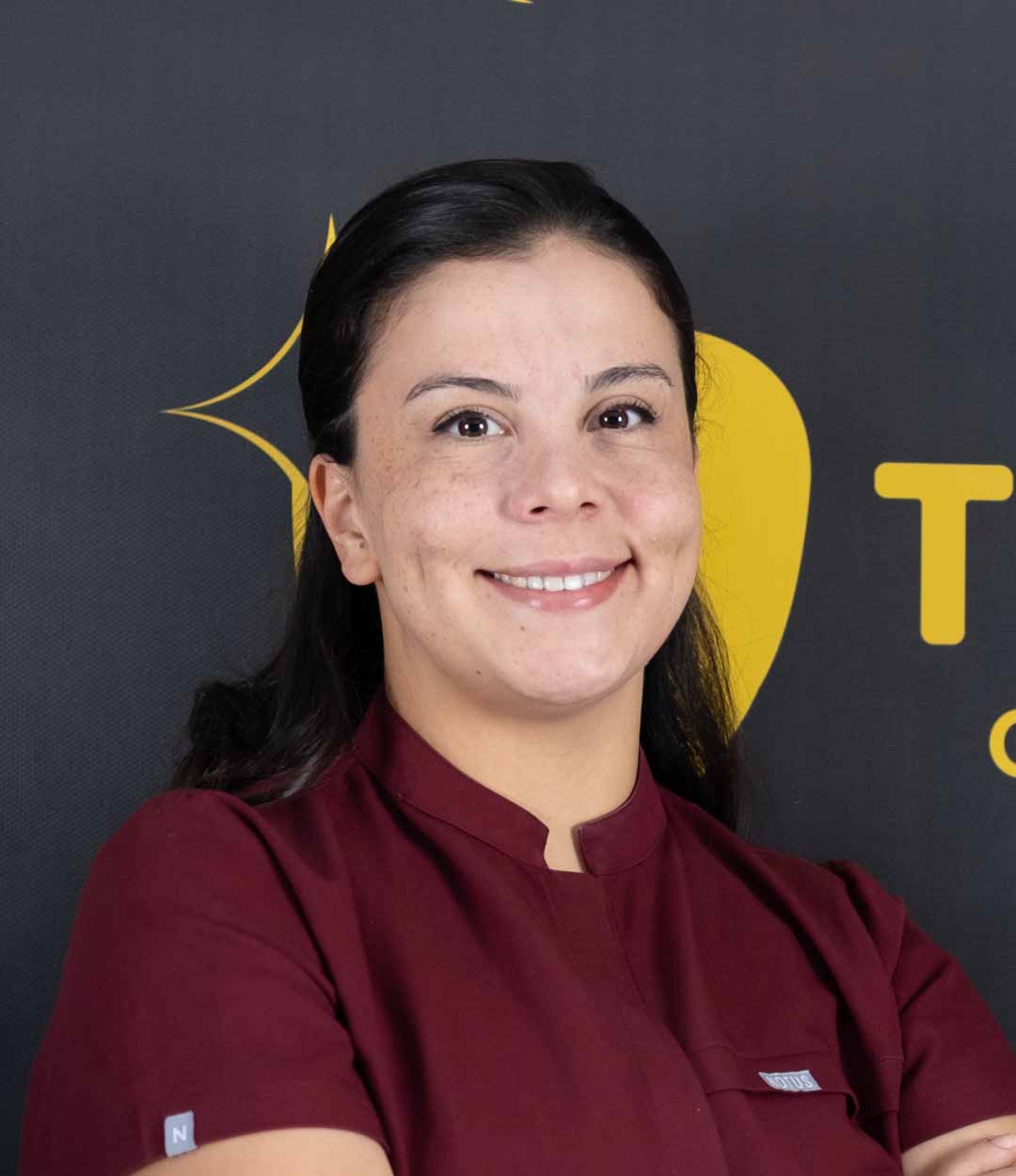
Dentist
Dt. Seda Gür
General Manager
Ebru KırcalıoğluCare You Can Count On
Real Patient Stories
More on YouTube →See how UK patients restored their comfort and smiles at The Pearl Clinic Antalya.

Hollywood Smile Makeover
From the UK to Antalya
Shaun's 20-Crown Experience
OM3 Hollywood Smile
Natural-Looking Zirconia
Smile Makeover in Turkey
The Ultimate Transformation
Before & After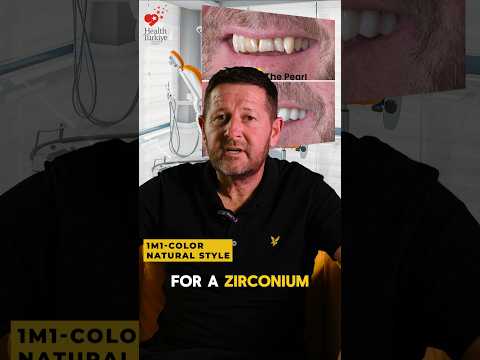
Real UK Patient Review
Zirconia Smile Makeover
This Smile Has the Force!
Zirconia Teeth in TurkeyHover to preview · Click to watch with sound
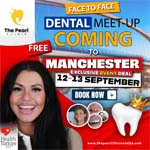
Planning Treatment After Your Emergency?
Meet our team at a dental meet-up in selected UK cities to discuss longer-term options such as crowns, implants or a full smile plan.
Book Your UK Appointment10. Frequently Asked Questions (FAQ)
Can I get emergency dental treatment in Antalya?
Yes. Antalya has many dental clinics experienced with international visitors. Contact The Pearl Clinic Antalya with a description and photo of your problem, and we'll advise you and try to see you as soon as possible.
When should I go to hospital instead of a dentist?
Go to a hospital emergency department or call 112 if you have swelling spreading to your eye, neck or floor of the mouth, difficulty breathing or swallowing, a high fever, uncontrolled bleeding or a serious facial injury.
What can I do for toothache at night?
Rinse with warm salt water, gently floss around the tooth, take over-the-counter pain relief as directed on the label, use a cold compress for swelling and keep your head raised. Contact a dentist as soon as possible.
Should I take antibiotics for toothache?
Not without a dentist's or doctor's advice. Antibiotics don't cure most toothaches, and they're only prescribed in certain situations, such as spreading infection. Leftover or borrowed antibiotics should never be used.
What should I do if a tooth is knocked out?
Pick it up by the crown, rinse briefly if dirty, and try to put it back in the socket or keep it in milk. See a dentist immediately, as time is critical. Baby teeth should not be put back in.
What if my filling or crown falls out?
Keep the crown if you have it, avoid chewing on that side and use a pharmacy temporary filling material if the tooth is sensitive. Don't use household glue. A dentist can usually re-cement the crown or place a new filling.
Can a dental abscess go away on its own?
No. The pain may come and go, but the infection usually remains and can spread. An abscess needs dental treatment to remove the source of infection.
Why did my toothache suddenly stop?
Pain can stop because the nerve inside the tooth has died, but infection may still develop. Have the tooth checked even if the pain has gone.
Can I fly with toothache?
Changes in cabin pressure can make pain from an infected tooth worse. If you're due to fly with significant tooth pain or swelling, get it checked first.
Does travel insurance cover emergency dental treatment in Turkey?
Many travel insurance policies include emergency dental cover up to a limit. Check your policy, and ask the clinic for receipts and treatment notes for your claim. The UK GHIC card isn't valid in Turkey.
Is toothache sometimes caused by the sinuses?
Yes. Sinus congestion can cause aching in several upper back teeth. A dental check helps rule out tooth-related causes.
What happens at an emergency dental appointment?
The dentist examines you, usually takes an X-ray, relieves your pain and controls any infection, then explains the cause and your treatment options before anything further is done.
Can I get emergency treatment and finish it at home?
Often, yes. Many emergencies can be stabilised in Antalya, and you can complete treatment with your dentist at home. Ask for your notes and X-rays to take with you.
How can I prevent toothache while travelling?
Have a check-up before long trips, brush and floss daily, limit sugary snacks and drinks, and avoid biting very hard foods or objects.
Do you speak English at the clinic?
Yes. Our team works with international patients every day and can explain your diagnosis and options clearly in English.
How do I contact The Pearl Clinic Antalya urgently?
Message us on WhatsApp with a short description of your pain and a photo if possible. Our team will advise you on the next step and arrange an appointment.
Don't Let Toothache Ruin Your Day — or Your Holiday
If you're in pain in Antalya, message us with a short description and a photo. We'll advise you on what to do now and arrange to see you as soon as we can.
Message Us on WhatsAppThe Pearl Clinic Antalya — General, Restorative & Implant Dentistry in Antalya, Türkiye | About Us | Contact Us
info@thepearlclinicantalya.com | +44 20 4652 4100 | Instagram | Facebook | YouTube | TikTok
This article is for general information and does not replace a professional dental or medical examination. In a medical emergency in Turkey, call 112.