





Tooth Filling
Dental Fillings in Turkey: Tooth-Coloured Fillings in Antalya
Catch decay early, keep more of your natural tooth. Find out how fillings work, which material suits your tooth, what's normal afterwards — and when a filling isn't enough.
A dental filling is one of the most common ways to repair a tooth damaged by decay or limited loss of tooth structure. When decay is caught early, a filling can restore chewing function while preserving as much of your natural tooth as possible. At The Pearl Clinic Antalya, every filling starts with an examination — because the right material and approach depend on the size of the cavity, the tooth's position and your overall oral health.
Table of Contents
- 1. What Is a Dental Filling?
- 2. What Causes Tooth Decay?
- 3. When Do You Need a Filling?
- 4. The Filling Procedure, Step by Step
- 5. Filling Materials Compared
- 6. Filling, Inlay, Crown or Root Canal?
- 7. How Long Do Fillings Last?
- 8. Pain & Sensitivity After a Filling
- 9. What to Do If a Filling Falls Out
- 10. Fillings and Teeth Whitening
- 11. How to Protect Your Fillings
- 12. Dental Fillings Cost in Turkey
- 13. Patient Reviews & Insurance
- 14. Combine Your Treatment with an Antalya Holiday
- 15. UK Dental Consultation Meet-Up Events
- 16. Frequently Asked Questions (FAQ)
Toothache, Sensitivity or a Lost Filling?
Message our team on WhatsApp with your symptoms and any recent X-rays — we'll explain the next steps.
1. What Is a Dental Filling?
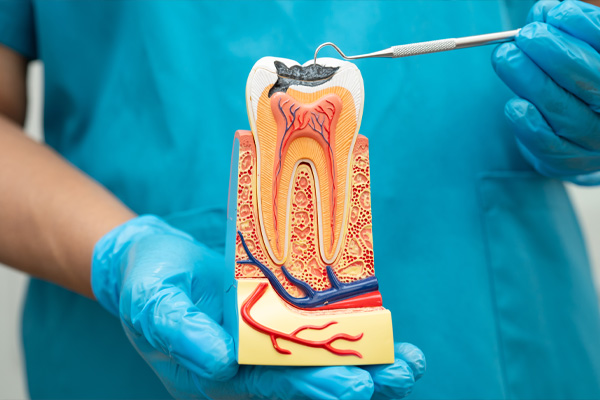
A dental filling is a restorative treatment that repairs a tooth damaged by decay or limited loss of structure. The affected area is assessed, decayed tissue is removed where necessary, and the space is restored with a suitable filling material.
The aim is to keep as much healthy tooth structure as possible so the tooth can continue to function normally. Fillings are often appropriate for early and moderate decay. If decay has reached the nerve (pulp), or a large part of the tooth has been lost, other treatments — such as root canal treatment, an inlay/onlay or a crown — may be considered.
2. What Causes Tooth Decay?
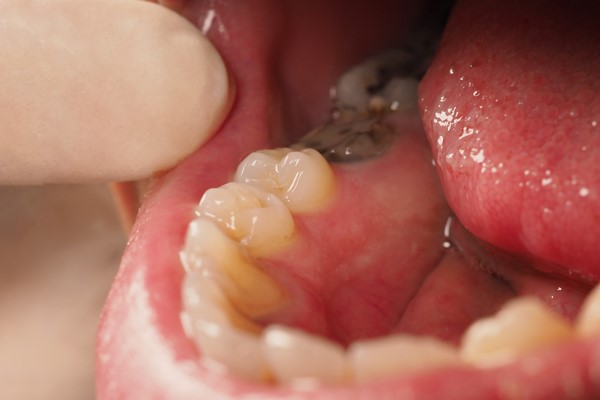
Tooth decay develops when bacteria in the mouth produce acids from sugars and fermentable carbohydrates. Over time, these acids dissolve the mineral structure of the tooth, damaging the enamel and eventually the deeper layers.
Common contributing factors include:
- Irregular or inadequate brushing
- Not cleaning between the teeth
- Frequent sugary food and drinks
- Snacking throughout the day
- Reduced saliva or a dry mouth
- Skipping regular dental check-ups
- New decay developing around the edges of old fillings
3. When Do You Need a Filling?
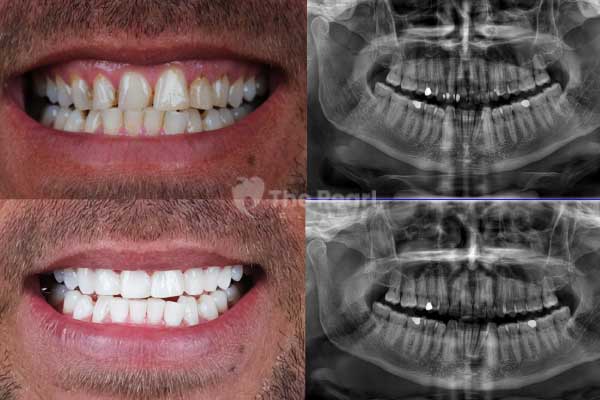
A filling may be needed when decay has created a cavity that can't heal by itself. Some chips, wear or limited loss of tooth structure can also be repaired with restorative materials. Signs that a filling should be assessed include:
- A cavity or hole caused by decay
- Visible loss of tooth surface
- Discomfort in a specific tooth when chewing
- Sensitivity to cold or sweet foods
- An old filling that has broken, loosened or fallen out
- Suspected new decay around an existing filling
These signs don't always mean you need a filling — toothache can also come from deep decay, a cracked tooth or gum problems. Your dentist will identify the cause and the right treatment.
4. The Filling Procedure, Step by Step
Most fillings can be completed in a single appointment. The time needed depends on the size of the decay, the tooth's position and the extent of the repair.
Step 1: Examination and Assessment
The dentist examines the tooth and surrounding tissues. Where needed, an X-ray shows how deep the decay is and how close it is to the nerve — helping confirm whether a filling is the right treatment.
Step 2: Local Anaesthetic (If Needed)
Depending on the depth of decay and your sensitivity, a local anaesthetic may be used to keep you comfortable. Very small, shallow fillings don't always need it.
Step 3: Removing the Decay
Decayed tissue is carefully removed while preserving as much healthy tooth as possible. If the decay is very deep, additional steps may be taken to protect the nerve.
Step 4: Preparing the Tooth
The tooth surface is prepared for the chosen material. For composite fillings, a bonding system helps the material attach to the tooth. Keeping the area clean and dry is important for a long-lasting result.
Step 5: Placing and Shaping the Filling
Composite material is placed — often in layers — and hardened with a special curing light. The dentist recreates the tooth's natural shape, contact points and biting surface.
Step 6: Bite Check and Polishing
Your bite is checked and adjusted, since a filling that sits too high can cause discomfort when chewing. Finally, the filling is smoothed and polished, and you receive aftercare advice.
5. Filling Materials Compared
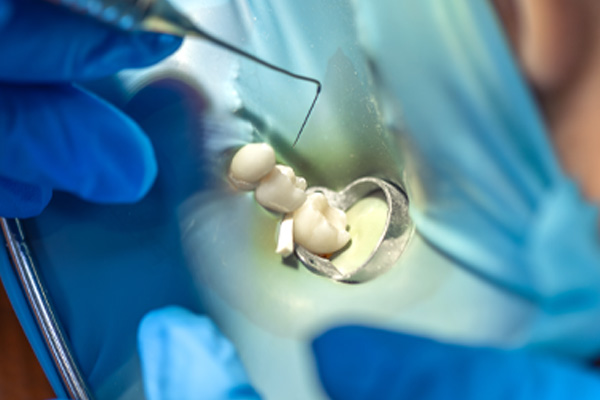
The material is chosen according to the tooth's position, the size of the damage, aesthetic expectations and chewing forces.
| Material | Key Advantages | Things to Consider |
|---|---|---|
| Composite (tooth-coloured) | Matches natural tooth shades; bonds to the tooth; suitable for front and many back teeth | Can wear, stain or chip over time; technique-sensitive |
| Amalgam (silver) | Known for durability in back teeth | Metallic appearance; use is now restricted in many countries |
| Glass ionomer | Releases fluoride; useful in selected areas and situations | Generally less wear-resistant on heavy biting surfaces |
| Ceramic inlay / onlay | Lab-made, durable and natural-looking for larger cavities | Usually needs more steps than a direct filling |
Composite Fillings
Composite fillings blend with your natural teeth and are bonded directly to the tooth. They're used on front teeth and in suitable back-tooth cases, and can rebuild the shape and biting surface of a tooth. Their success depends not only on the material but also on correct technique, oral hygiene and your chewing habits.
Amalgam Fillings
Amalgam is a silver-coloured metallic material historically used in back teeth. Its use has been phased down in many countries — the EU, for example, has restricted dental amalgam since 2025 except where a dentist judges it strictly necessary. If you already have amalgam fillings that are intact and working well, replacing them purely for appearance isn't always necessary; your dentist should assess whether replacement makes sense.
Other Materials
Glass ionomer cements and other restorative materials may be used in selected cases. For larger cavities, a laboratory-made inlay or onlay can be a more durable option than a large direct filling. Every material has its place, so the choice should always be individual.
6. Filling, Inlay, Crown or Root Canal?
The right treatment depends on how deep the decay is, how much healthy tooth remains and the condition of the pulp (the tooth's inner tissue).
| Treatment | Typically Considered When |
|---|---|
| Filling | Decay or damage can be repaired and the pulp is healthy |
| Inlay / onlay | The cavity is too large for a durable direct filling, but a full crown isn't needed |
| Crown | A large part of the tooth is lost, cracked or heavily restored and needs full coverage |
| Root canal treatment | The pulp has irreversible inflammation or has died; usually followed by a filling or crown |
Severe toothache alone doesn't prove you need a root canal — the decision is made after a clinical examination and any necessary X-rays. If a crown is recommended, read our guide to zirconia crowns in Turkey.
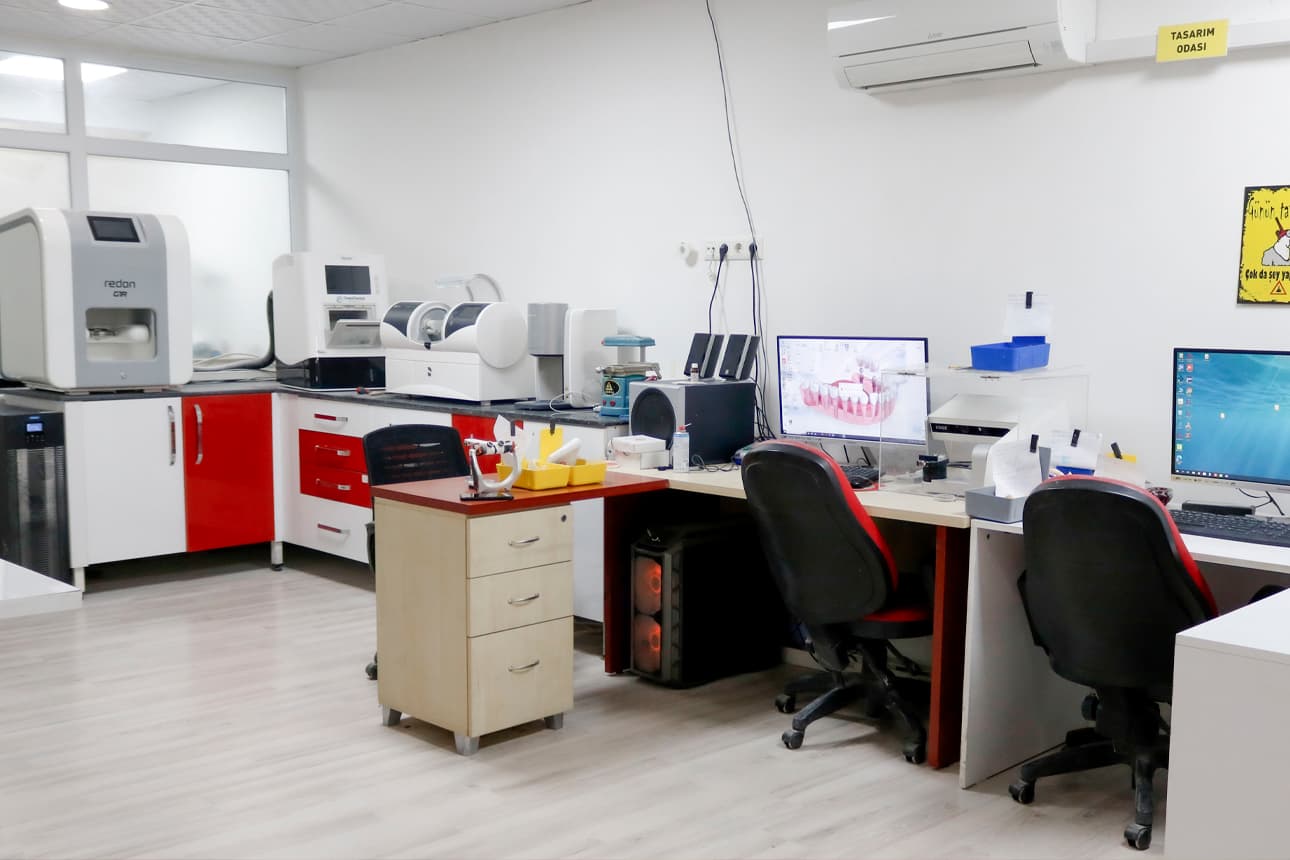
In-House Digital CAD/CAM Dental Lab
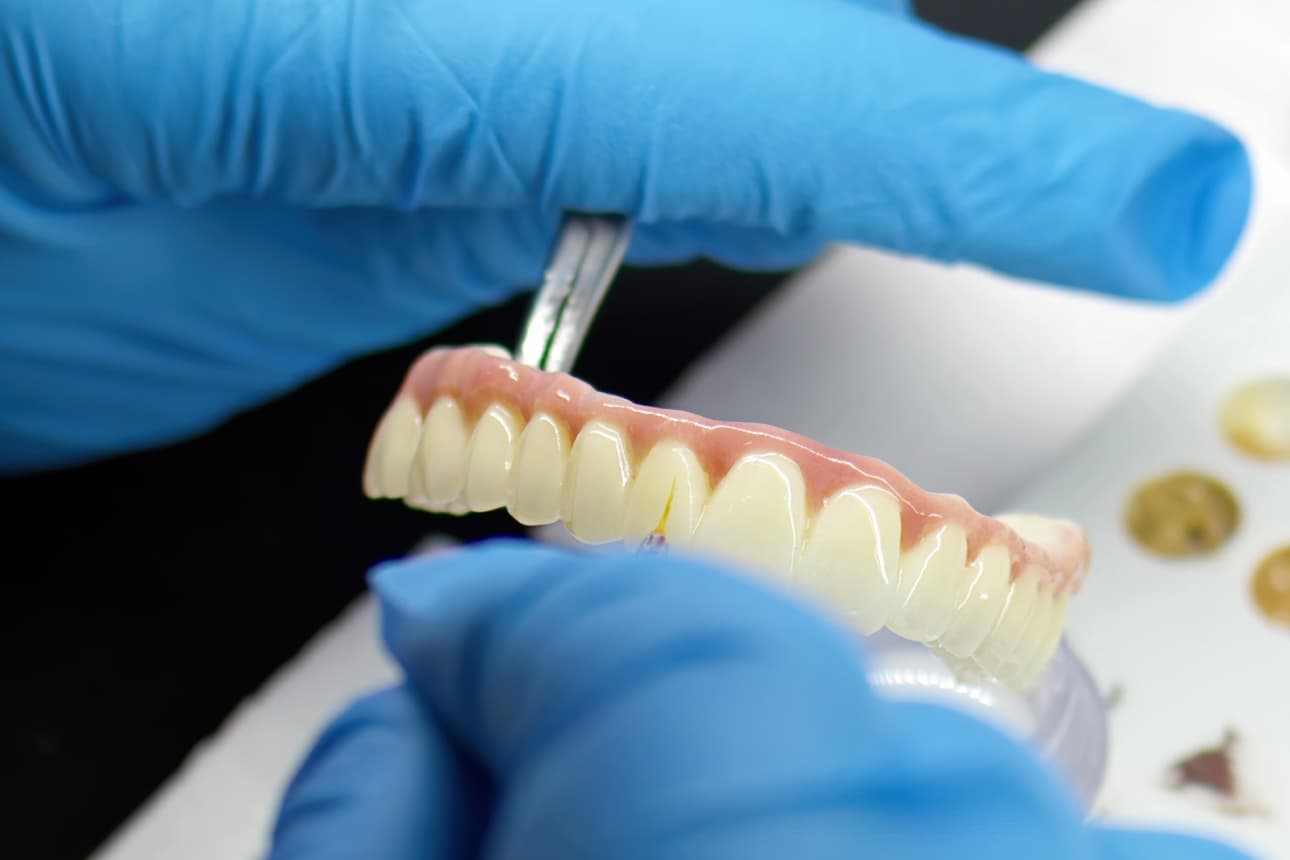
When a Filling Isn't EnoughFor larger cavities, our in-house laboratory designs and produces inlays, onlays and crowns that restore strength while matching your natural tooth shade.

7. How Long Do Fillings Last?
There's no fixed lifespan for a filling. Some last for many years; others need repair or replacement sooner. Longevity depends on:
- The filling material
- The position and size of the restored tooth
- How much healthy tooth structure remains
- Chewing forces and clenching or grinding
- Sugar intake and oral hygiene
- The placement technique
- Regular dental check-ups
A small composite filling and a large back-tooth filling won't have the same life expectancy. At check-ups, your dentist examines the edges and surface of each filling — and if there's no problem, it doesn't need replacing just because it's old.
8. Pain & Sensitivity After a Filling

Short-lived sensitivity or mild discomfort can happen after a filling, especially when the decay was deep or the repair was large. Possible causes include the tooth reacting to treatment, the depth of decay, a filling sitting slightly high, or inflammation inside the tooth.
| Often Temporary | Contact Your Dentist |
|---|---|
| Mild sensitivity to cold that disappears quickly once the cold is gone | Severe or steadily worsening pain |
| Slight tenderness that improves day by day | Pain lingering long after hot or cold |
| Brief awareness of the new filling | Pain on biting — the filling may need adjusting |
| Pain that starts on its own or wakes you at night | |
| Gum swelling or discharge |
9. What to Do If a Filling Falls Out
A filling can loosen, break or fall out. This exposes the inside of the tooth, increasing the risk of sensitivity and new decay. If it happens:
Do
• Keep the area gently clean • Avoid chewing hard foods on that side • Limit very hot or cold food and drinks • Book a dental appointment as soon as possible
Don't
• Try to glue the filling back in at home • Put unsuitable materials into the tooth
If enough healthy tooth remains, a new filling can usually be placed. A large fracture, crack or significant loss of structure may call for an inlay, onlay or crown instead.
10. Fillings and Teeth Whitening
Yes, teeth with fillings can often be whitened — but there's an important detail: whitening lightens natural tooth structure, not composite fillings. After whitening, existing fillings may look darker than the surrounding teeth, which is most noticeable on front teeth.
Explore Our Smile Gallery
View Full Gallery →From single-tooth repairs to complete smile makeovers — see real restorative and cosmetic transformations from The Pearl Clinic Antalya.



11. How to Protect Your Fillings
A filling stays healthy only if the tooth around it does. Having a filling doesn't mean the tooth can't decay again — new decay can form at the edges.
- Brush twice a day with fluoride toothpaste
- Clean between your teeth with floss or interdental brushes
- Cut down on frequent sugary food and drinks
- Don't use your teeth to crack hard objects
- Talk to your dentist if you clench or grind
- Keep up regular dental check-ups
- Book a check if a filling breaks, loosens or a tooth becomes newly sensitive
12. Dental Fillings Cost in Turkey
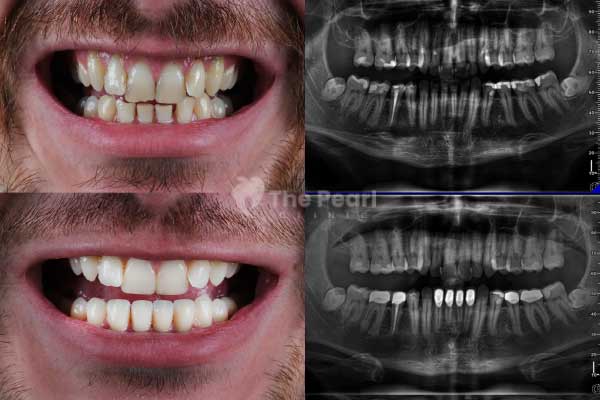
The cost of a dental filling depends on the size of the decay, the tooth's position, the material used and the number of procedures required. An accurate price needs an examination and a personalised treatment plan.
For international patients planning dental treatment in Turkey, it's helpful to know before travelling:
- How many teeth need treatment
- Which material is proposed for each tooth
- Whether any old fillings genuinely need replacing
- Whether any tooth may need a root canal, inlay or crown instead
- The expected number of appointments and follow-up needs
Get a Personalised Treatment Quote
Send us recent photos and a panoramic X-ray if you have one. We'll review your case and explain the proposed plan and pricing.
13. Patient Reviews & Insurance
Even a simple filling deserves careful diagnosis, clear explanations and proper aftercare. Here's what our patients say about their experience at The Pearl Clinic Antalya.
"Everything has been perfect and.."
"Everything has been perfect and faultless. Super accommodating staff. Would happily recommend."
"They are a great team,"
"They are a great team,. The services that they offer are at a very high standard. Overall I had a great experience."
🛡️ Health Tourism Complication & Assurance Insurance
Our international patients' treatment journey is protected by Health Tourism Complication and Assurance Insurance, provided in line with Turkish regulations. Within policy limits, it covers emergency health needs and potential complications after treatment. For dental treatments, the Standard Dental Plan provides 6 months of financial assurance against post-treatment complications and emergencies.
14. Combine Your Treatment with an Antalya Holiday
Fix Your Teeth, Enjoy the Turkish Riviera
Most fillings are completed in a single appointment, so treatment fits easily into a short stay — leaving plenty of time for Antalya's turquoise coastline, the historic old town of Kaleiçi and the Mediterranean sunshine. Our team plans your appointments around your trip and can help you arrange airport transfers and accommodation — just ask when you get in touch. Tip: wait until the numbness has worn off before your first seaside lunch!



15. UK Dental Consultation Meet-Up Events

Meet Our Dentists in the UK!
Before flying to Antalya, join our face-to-face consultation events in the UK. Discuss your fillings, any old restorations and your full treatment plan with our dentists — and ask about event-exclusive packages.
Reserve Your UK Consultation16. Frequently Asked Questions (FAQ)
How long does a dental filling take?
Most suitable cases can be completed in a single appointment. The time needed depends on the size of the decay, the tooth's position, the material used and the extent of the treatment.
Does getting a filling hurt?
When needed, a local anaesthetic is used to reduce discomfort during the procedure. Whether anaesthetic is needed depends on the depth of the decay and your individual situation.
Can I eat after a dental filling?
It depends on the material used and whether you had a local anaesthetic. Eating before the numbness wears off increases the risk of accidentally biting your cheek or tongue, so follow your dentist's advice.
How long does sensitivity last after a filling?
It varies from person to person. Mild sensitivity often fades over time, but severe, worsening or long-lasting sensitivity should be checked by your dentist.
Can a tooth be refilled if a filling falls out?
Yes, if enough healthy tooth structure remains, a new filling can be placed. A large fracture or significant loss of tooth structure may require a different restoration, such as an inlay, onlay or crown.
How long do composite fillings last?
The lifespan of a composite filling depends on its size, the tooth it's in, chewing forces and your oral hygiene. Regular check-ups allow your dentist to monitor its condition.
When should an old filling be replaced?
A filling may need replacing if it breaks, develops new decay at its edges, leaks or stops working properly. Sound, functioning fillings don't need replacing just because they're old.
Can a filled tooth get decay again?
Yes. New decay can develop in the natural tooth around a filling. Regular brushing, cleaning between your teeth and dental check-ups help reduce this risk.
Can a filled tooth need a root canal?
Yes. If a problem develops that affects the pulp of a filled tooth, root canal treatment may be needed. The decision is made after an examination and any necessary X-rays.
What is the difference between a filling and a crown?
A filling repairs a limited cavity or damaged area of a tooth. A crown covers the visible part of the tooth more extensively. The choice depends on how much healthy tooth remains and the clinical need.
Are white fillings better than silver amalgam fillings?
Tooth-coloured composite fillings blend with natural teeth and bond to the tooth, and amalgam use is now restricted in many countries. However, intact and functioning amalgam fillings don't always need replacing; your dentist will advise based on your situation.
Can I have teeth whitening if I have fillings?
In suitable cases, yes. However, whitening lightens natural teeth but doesn't change the colour of existing composite fillings, so a dental assessment beforehand is important.
What affects the cost of dental fillings?
Costs depend on the size of the decay, the tooth's position, the material used and the number of procedures needed. An accurate price requires an examination and a personalised treatment plan.
Is a lost filling a dental emergency?
Not every lost filling is equally urgent, but you should see a dentist as soon as possible. If you have severe pain, facial swelling or a fever, seek professional help without delay.
How can I book a filling appointment in Antalya?
Contact The Pearl Clinic Antalya on WhatsApp or by email to ask about dental fillings and request an examination. The right treatment is decided after your dentist's assessment.
Ready to plan your Tooth Filling?
Request a personalized treatment plan or contact our patient coordinators on WhatsApp.
Similar Treatments
Page Last Updated: 19.10.2026 — Corporate Communications (info@thepearlclinicantalya.com)
Looking for a reliable and satisfied treatment?
Contact Us & Learn More About Our Treatments