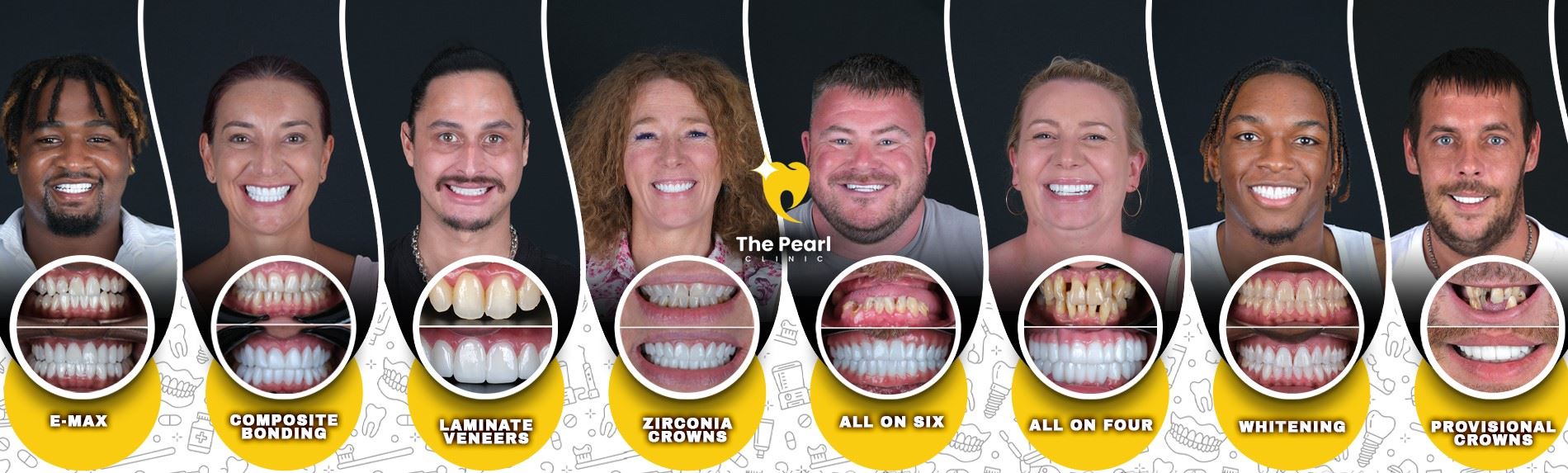






Zirconia Crowns
Zirconia Crowns in Turkey: Strong, Natural-Looking Dental Crowns in Antalya
Restore damaged teeth and rebuild your smile with zirconia crowns designed in our own digital lab — planned around your bite, your gums and the shade that suits your face.
Considering zirconia crowns in Turkey to restore damaged teeth or improve your smile? At The Pearl Clinic Antalya, zirconia crowns are designed and produced in our in-house digital laboratory to combine strength with natural-looking aesthetics. Every treatment starts with an assessment of your teeth, gums, bite and overall oral health — because the right crown material, shape and shade depend on the tooth, its position in your mouth and your individual needs.
Table of Contents
- 1. What Are Zirconia Crowns?
- 2. Why Choose Zirconia Dental Crowns?
- 3. Types of Dental Crowns Compared
- 4. Zirconia vs E-max Crowns: Which Is Better?
- 5. Choosing Your Shade: Natural or Hollywood White?
- 6. Crowns vs Veneers: What's the Difference?
- 7. The Zirconia Crown Procedure, Step by Step
- 8. How Long Do Zirconia Crowns Last?
- 9. Are Zirconia Crowns Safe? Risks & Gum Recession
- 10. Fixed Dental Bridges
- 11. Zirconia Crowns Cost in Turkey
- 12. Real Patient Stories, Reviews & Insurance
- 13. Combine Your Treatment with an Antalya Holiday
- 14. UK Dental Consultation Meet-Up Events
- 15. Frequently Asked Questions (FAQ)
Thinking About Zirconia Crowns?
Send us your smile photos and any recent X-rays on WhatsApp — our patient coordinators will explain your options and the next steps.
1. What Are Zirconia Crowns?
Zirconia crowns are dental restorations made from zirconium dioxide, a high-strength ceramic used in modern dentistry. A crown covers the visible part of a tooth to restore its shape, protect weakened tooth structure and improve function. Different zirconia formulations have different optical and mechanical properties, so the material can be chosen to suit each case.
Unlike a removable denture, a conventional crown is fixed in place over a prepared natural tooth — or attached to a dental implant with an implant-supported design. Zirconia can be used for both front and back teeth, but the exact material and design should reflect bite forces, the remaining tooth structure and your aesthetic goals.
What Are Zirconia Crowns Used For?
- Extensively damaged teeth: restoring a tooth that has lost substantial structure through decay or fracture.
- Worn teeth: rebuilding shape and function where wear is significant.
- Previously treated teeth: protecting certain root-canal-treated teeth when clinically appropriate.
- Large existing fillings: giving extra protection to a heavily restored tooth.
- Dental implants: as selected implant-supported crowns, depending on the implant system and plan.
- Cosmetic rehabilitation: improving shape, shade and alignment when full coverage is clinically justified.
2. Why Choose Zirconia Dental Crowns?
Strength and Durability
Zirconia is a strong ceramic that can withstand everyday chewing forces when correctly selected and manufactured, making it useful for teeth under heavy functional demand. No crown is indestructible, though — longevity also depends on design, fit, bite, oral hygiene, grinding habits and regular maintenance.
Natural-Looking Appearance
Modern zirconia comes in different translucency levels and shades, so the team can balance aesthetics and strength. For front teeth, matching shade, surface texture and shape to your other teeth is essential. A natural result also depends on tooth proportions, gum contours, your facial features and the quality of the lab work.
Metal-Free Restoration
Zirconia is a ceramic, not a metal alloy — ideal if you prefer a metal-free restoration. It generally has good biocompatibility, but no material can guarantee the absence of every reaction, so always tell your dentist about allergies or previous reactions to dental materials.
Versatile Restorative Options
Depending on the material and design, zirconia can be used for single crowns, certain multi-unit bridges and selected implant-supported restorations. The right option depends on the number and condition of the teeth, your bite and the supporting structures.
3. Types of Dental Crowns Compared

Not all crowns are made from the same material. The best choice depends on the tooth's position, functional needs, aesthetic expectations and the tooth structure available.
| Crown Type | Key Strengths | Things to Consider |
|---|---|---|
| Zirconia | Strong, metal-free, available in more translucent or higher-strength formulations | Design must account for grinding and complex bites |
| E-max (lithium disilicate) | Excellent translucency and natural light transmission | Not suitable for every tooth, especially under unusually high forces |
| Porcelain-fused-to-metal | Strong metal framework with a tooth-coloured surface; long track record | Metal margin may show at the gumline if gums recede |
| Metal | Strong; some designs need less tooth removal | Metallic appearance — not tooth-coloured |
| Resin-based | Useful for temporary and selected definitive restorations | Different long-term properties from high-strength ceramics |
4. Zirconia vs E-max Crowns: Which Is Better?
This is one of the most common questions from patients researching dental crowns in Turkey. Both materials can give excellent results when used appropriately — the best choice depends on the tooth being restored.
| Zirconia Crowns | E-max Crowns | |
|---|---|---|
| Main advantage | Strength and resistance to functional forces | Translucency and lifelike light transmission |
| Often considered for | Back teeth, heavy bites, bridges and many full-mouth cases | Selected front teeth where aesthetics are the priority |
| Aesthetic flexibility | Formulations balance strength and translucency | Very natural optical qualities |
| Metal-free | Yes | Yes |
Your dentist will weigh up these factors:
- Tooth position — front and back teeth have different aesthetic and functional needs
- Bite forces — clenching or grinding may need a design that manages higher loads
- Remaining tooth structure — affects which options are available
- Aesthetic requirements — shade, translucency, texture and neighbouring teeth
- Restoration design — thickness, preparation and shape influence performance
- Clinical evidence — the chosen product's properties and the dentist's assessment
5. Choosing Your Shade: Natural or Hollywood White?
Shade is one of the most personal decisions in crown treatment. Dentists usually select colours from a shade guide such as the VITA 3D-Master system:
Bright "Hollywood" Shades (0M1–0M3)
The 0M shades (often written "OM") are the brightest, "bleached" end of the scale. 0M1 is the whitest; 0M3 is the softest of the three and is a popular choice for patients who want a bright smile that still looks believable.
Natural-Bright Shades (1M1, 1M2 and Beyond)
Shades such as 1M1 sit within the natural tooth range. They suit patients who want their crowns to blend in, look healthy and age naturally with their face.
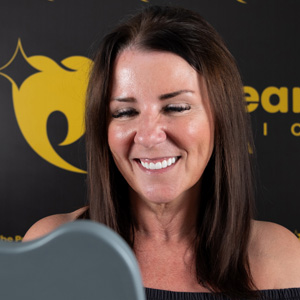
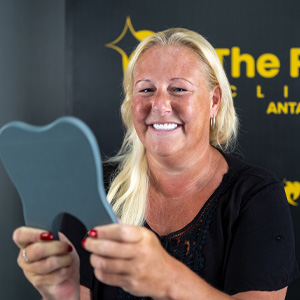
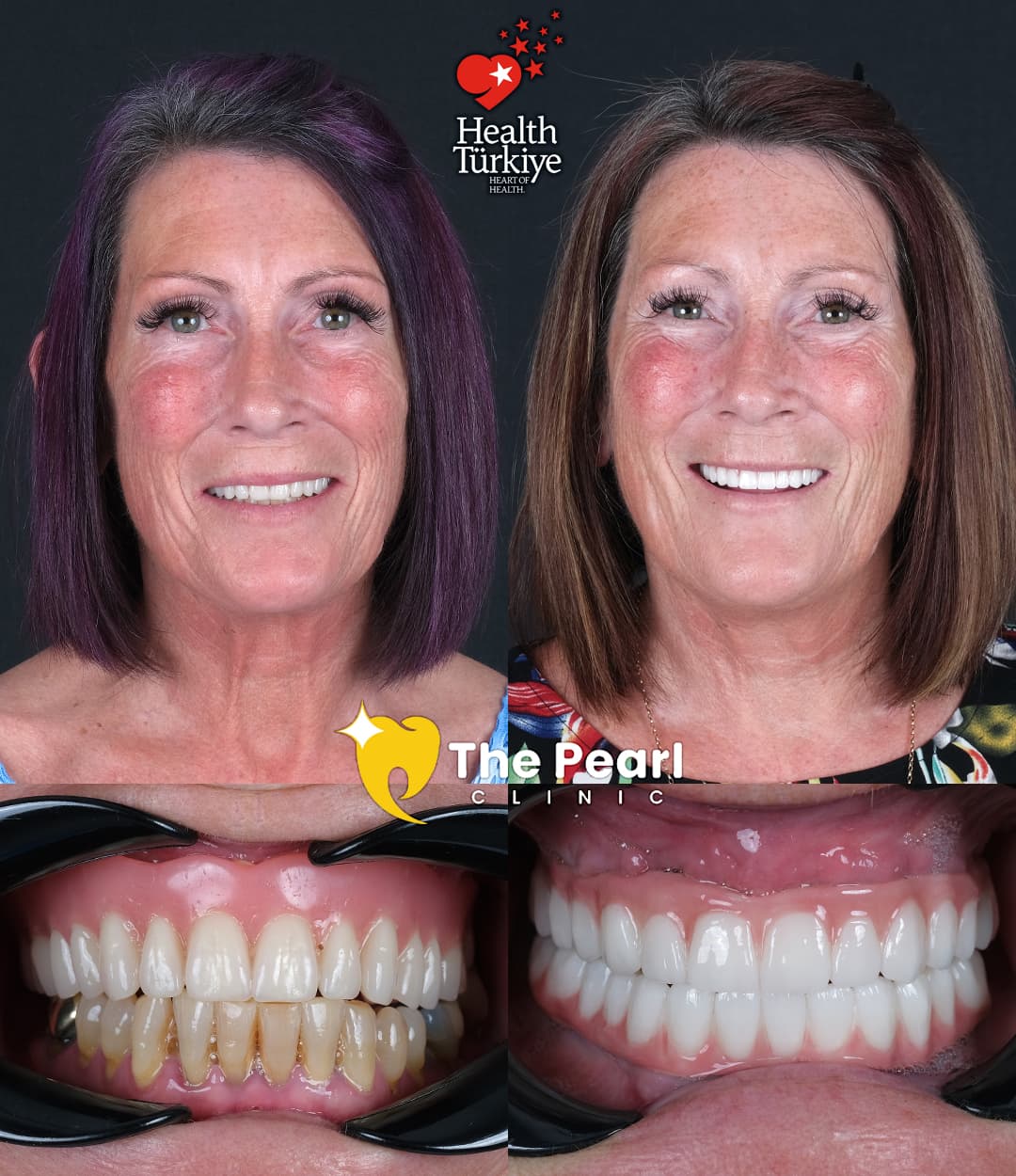
Patient Smile Transformations
View Full Gallery →Explore real smile transformations from The Pearl Clinic Antalya in natural and bright shades.

6. Crowns vs Veneers: What's the Difference?
A dental crown covers the entire visible part of a prepared tooth and is used when a tooth needs substantial structural restoration or protection. A veneer is a thin restoration bonded mainly to the front surface, generally for selected cosmetic concerns when the tooth has enough healthy structure.
| Crown | Veneer | |
|---|---|---|
| Coverage | Whole visible tooth | Mainly the front surface |
| Best for | Extensive decay, large fractures, heavy fillings, some root-treated teeth | Colour, shape, small gaps or minor aesthetic irregularities |
| Tooth preparation | Generally more extensive | Generally more conservative |
| Not ideal for | Healthy teeth needing only cosmetic change | Severe structural damage or significant bite problems |
7. The Zirconia Crown Procedure, Step by Step
Step 1: Consultation and Dental Examination
The dentist examines your teeth and gums, reviews your dental history and discusses your goals. X-rays or other diagnostics may be taken to check roots, bone and existing restorations — and any underlying problems are treated first.
Step 2: Treatment Planning and Shade Selection
Shape, position, colour and your bite are evaluated alongside the neighbouring teeth. The crown material and shade are chosen to meet both clinical requirements and your aesthetic preferences.
Step 3: Tooth Preparation
If a conventional crown is indicated, the tooth is reshaped to make space for the restoration, usually under local anaesthesia. How much structure is removed depends on existing damage, material and design — and this step is irreversible.
Step 4: Digital Scan or Impression
The prepared tooth and surrounding teeth are recorded with an intraoral scanner or a conventional impression, and the data is sent to our laboratory to design a crown that fits your tooth and works with your bite.
Step 5: Temporary Crown, When Required
A temporary crown can protect the prepared tooth and maintain appearance while the final crown is made. It isn't designed to match the final crown's properties, so your dentist will explain how to care for it and what to do if it loosens.
Step 6: Laboratory Fabrication
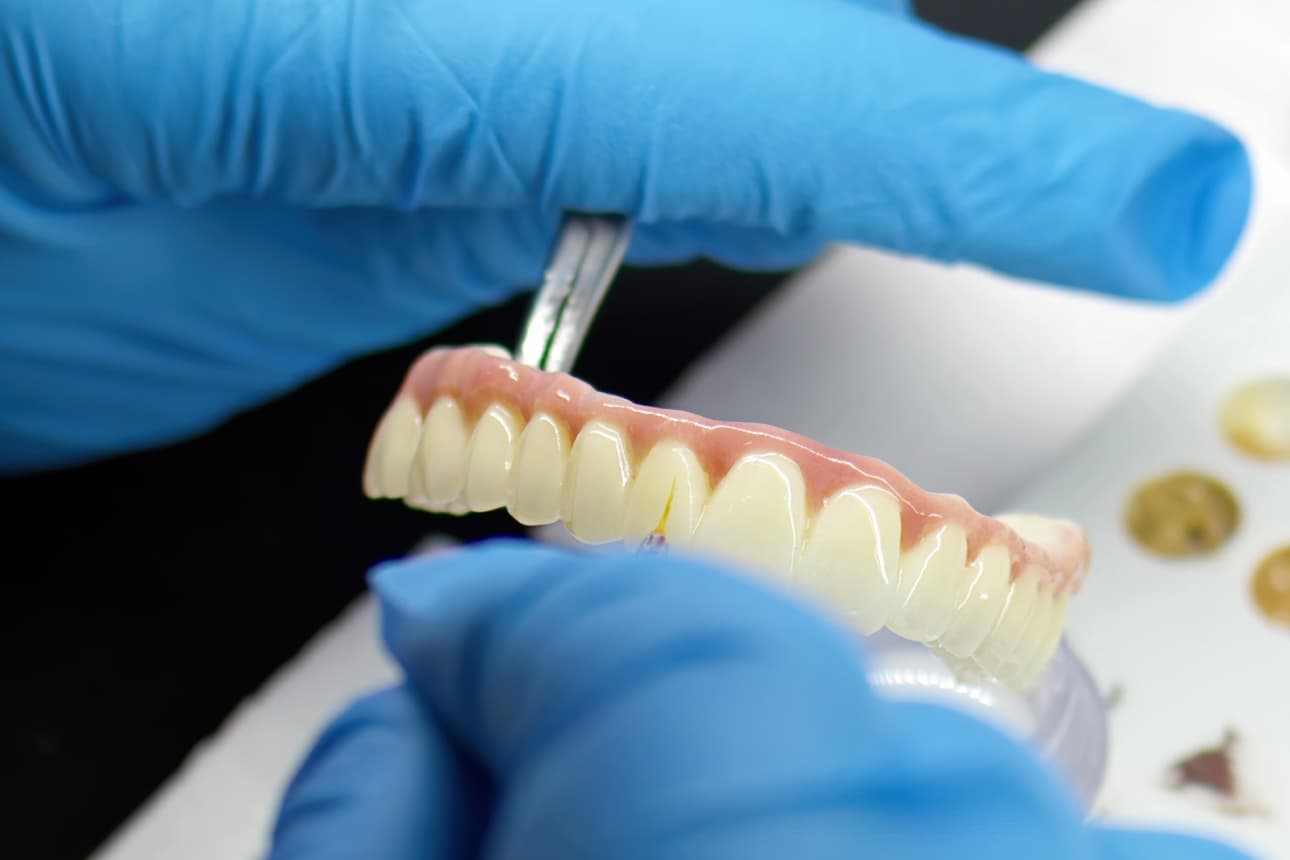
The definitive crown is produced to the prescribed design, material and shade — typically through digital design, milling, sintering and finishing — then checked for fit, shape, contacts and aesthetics.
Step 7: Trial, Adjustment and Final Placement
Fit, contacts, bite and appearance are checked before the crown is cemented or attached, with adjustments for comfort where needed. You'll then receive guidance on hygiene, eating and follow-up care.
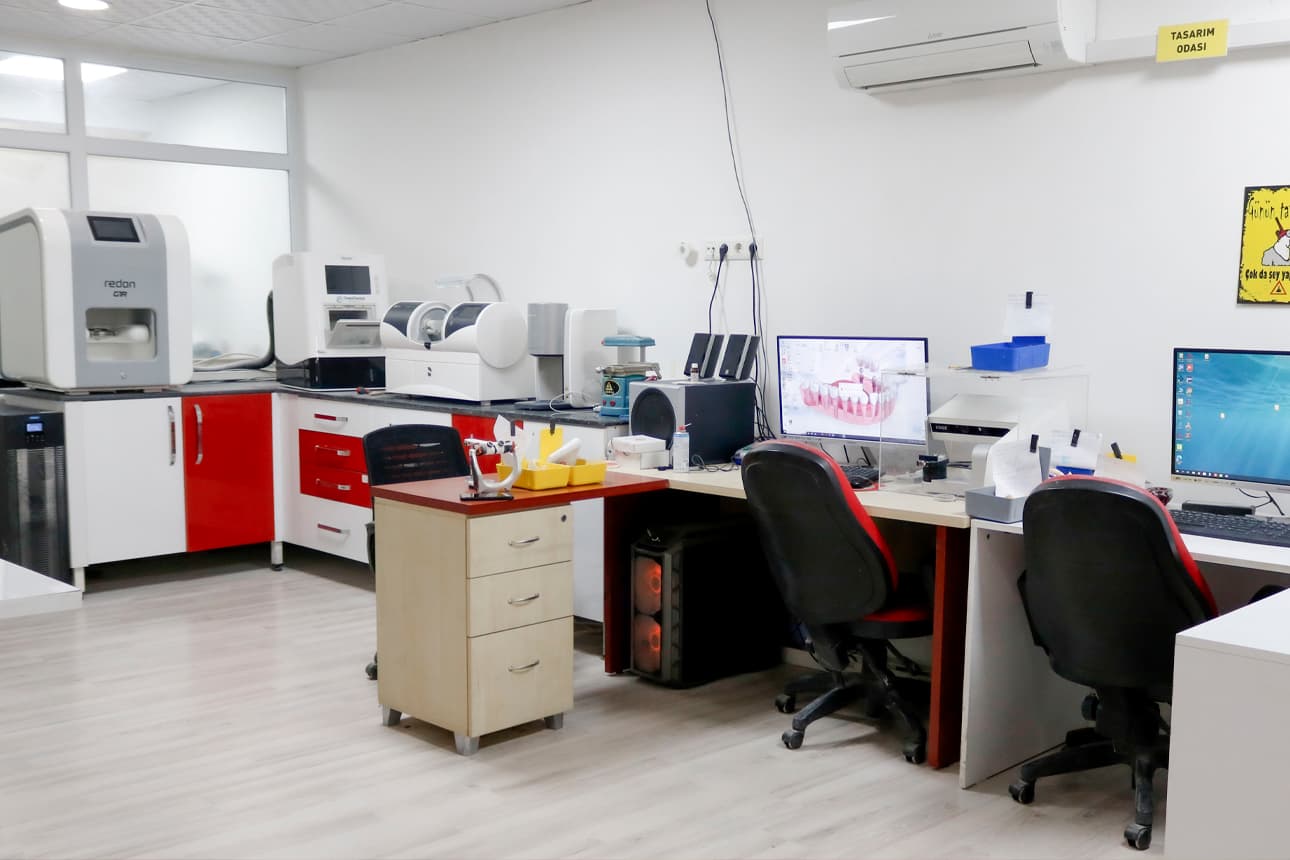
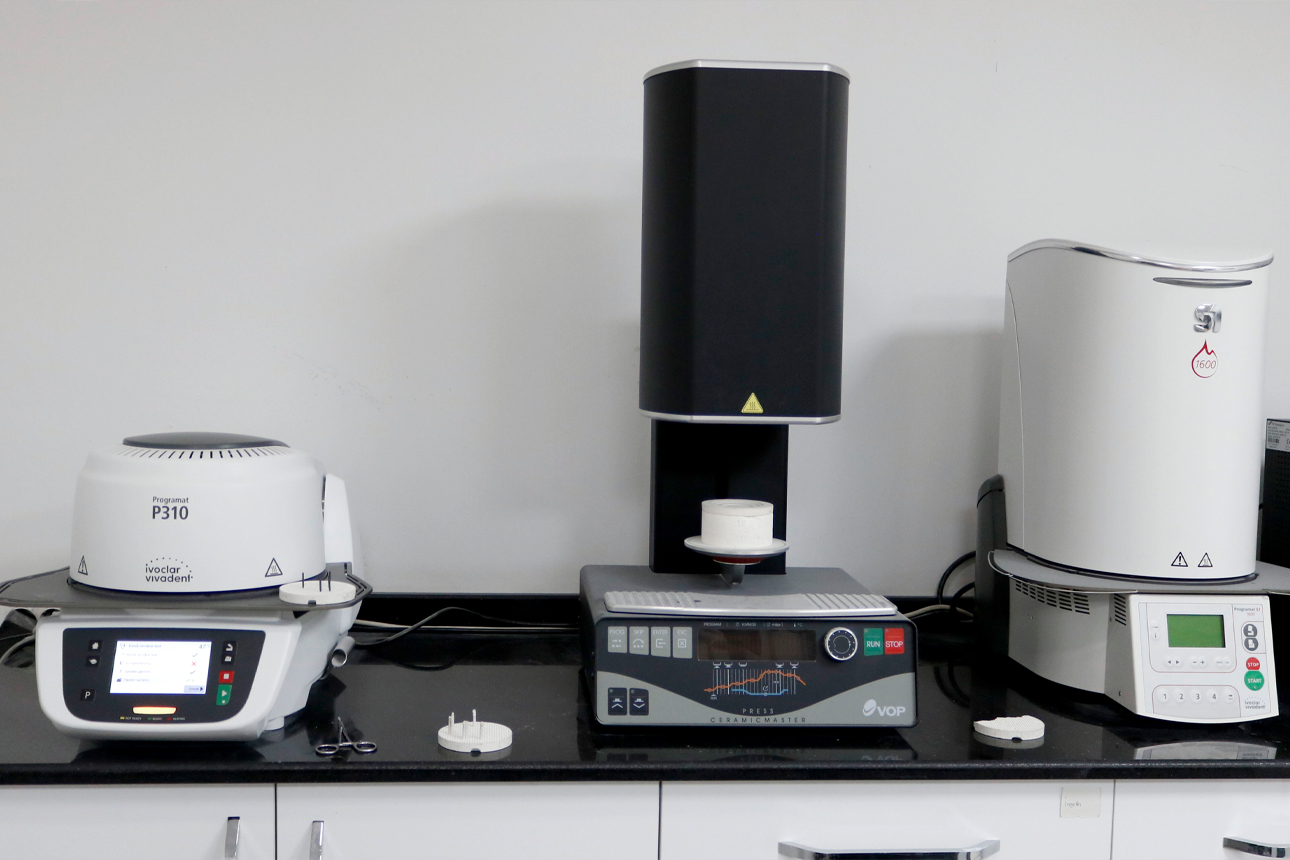
In-House Digital CAD/CAM Dental Lab
Precision EngineeringYour zirconia crowns are designed, milled and hand-finished in our own laboratory at The Pearl Clinic Antalya — so the clinical and lab teams work side by side on fit, shape and shade.
8. How Long Do Zirconia Crowns Last?
Zirconia crowns can provide long-term service when well designed, fitted and maintained — but no crown can be guaranteed to last a specific number of years. Longevity depends on:
- The condition of the natural tooth supporting the crown
- The accuracy of the crown's fit and design
- Bite forces and tooth-grinding habits
- Daily oral hygiene and gum health
- Diet and lifestyle factors
- Regular dental examinations and maintenance
Crowns can chip, loosen or wear, and a crown does not prevent decay where it meets the natural tooth. Brush twice daily with fluoride toothpaste, clean between your teeth with floss or interdental brushes — paying special attention to the gumline — and keep up regular check-ups.
9. Are Zirconia Crowns Safe? Risks & Gum Recession
Zirconia is widely used in dentistry and generally shows good biocompatibility. As with any treatment, complications are possible:
- Temporary sensitivity after tooth preparation
- Gum irritation or bite discomfort
- Crown loosening or ceramic damage
- Decay or other problems affecting the supporting tooth
Patients who grind their teeth, have active gum disease or have little remaining tooth structure need extra assessment and a tailored plan — for example, a night guard for grinders, or gum disease treatment before crowns are placed. Share any medical conditions, medications or allergies with your dentist.
Zirconia Crowns and Gum Recession
If the gumline recedes around a crowned tooth, the junction between crown and tooth may become more visible. Recession has several causes — periodontal disease, brushing trauma, thin gum tissue and anatomy — and is not necessarily caused by the crown. Healthy gums, gentle brushing and regular check-ups help catch problems early; if recession develops, your dentist should assess the gums, crown margins and supporting tooth before recommending treatment.
10. Fixed Dental Bridges
A fixed bridge replaces one or more missing teeth and is usually supported by crowns on the teeth either side of the gap. It stays in the mouth like natural teeth, restoring chewing, closing gaps and helping keep the remaining teeth in position.
How Is a Dental Bridge Placed?
After examining the gap, neighbouring teeth, gums and bite, the supporting teeth are prepared, scanned and fitted with a temporary bridge if needed. At the fitting appointment, the definitive bridge is checked for fit, appearance and bite before being secured. The number of appointments depends on the case and lab workflow.
Advantages of Fixed Bridges
• Fixed replacement for missing teeth • Restores chewing function • Closes visible gaps • No removable denture to take out • A good option when neighbouring teeth already need crowns
Disadvantages of Fixed Bridges
• Supporting teeth must be prepared, even if otherwise healthy • Cleaning under the replacement tooth needs special aids • Problems in a supporting tooth can affect the whole bridge
Dental Bridge vs Dental Implant
| Fixed Bridge | Dental Implant | |
|---|---|---|
| Support | Neighbouring teeth | Implant placed in the jawbone |
| Neighbouring teeth | Need preparation for crowns | Usually left untouched |
| Requirements | Healthy, strong supporting teeth | Suitable bone and gums; involves surgery |
| Treatment time | Generally shorter | Generally longer, with healing time |
The best option depends on your oral health, anatomy, goals and preferences — a bridge can be ideal when neighbouring teeth already need crowns, while implants avoid preparing healthy teeth.
11. Zirconia Crowns Cost in Turkey
There's no single price for every patient, because one crown and a full restorative plan involve very different clinical needs. Factors that affect the cost include:
- Number of crowns: a single tooth differs from a multi-tooth or full-smile plan.
- Zirconia material: formulations and aesthetic requirements affect material and lab costs.
- Clinical preparation: some teeth need treatment before a definitive crown.
- Existing dental problems: decay or gum disease may need treating first.
- Restoration complexity: bite correction and multiple restorations affect planning.
- Additional procedures: root canal treatment, temporaries or other necessary procedures.
Get a Personalised Zirconia Crown Quote
Send recent smile photos and a panoramic X-ray if you have one. We'll review your case and explain the proposed plan and pricing.
12. Real Patient Stories, Reviews & Insurance
Choosing a clinic for crowns involves more than a material: accurate diagnosis, careful preparation, lab quality, bite assessment and long-term maintenance all matter. Hear it from our patients.
Watch Real Patient Transformations
More on YouTube →Swipe through short videos of UK patients' zirconia smile journeys at The Pearl Clinic Antalya — hover over a video to preview it.

Hollywood Smile Makeover
From the UK to Antalya
Shaun's 20-Crown Experience
OM3 Hollywood Smile
Natural-Looking Zirconia
Smile Makeover in Turkey
The Ultimate Transformation
Before & After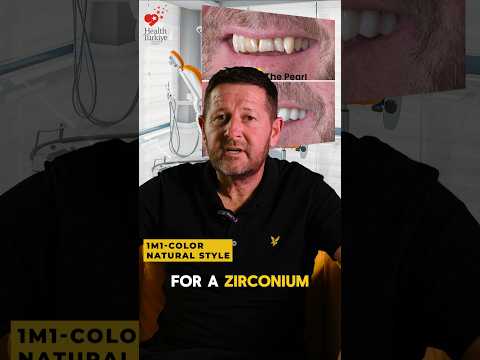
Real UK Patient Review
Zirconia Smile Makeover
This Smile Has the Force!
Zirconia Teeth in TurkeyHover to preview · Click to watch with sound
"Everything has been perfect and.."
"Everything has been perfect and faultless. Super accommodating staff. Would happily recommend."
"They are a great team,"
"They are a great team,. The services that they offer are at a very high standard. Overall I had a great experience."
🛡️ Health Tourism Complication & Assurance Insurance
Our international patients' treatment journey is protected by Health Tourism Complication and Assurance Insurance, provided in line with Turkish regulations. Within policy limits, it covers emergency health needs and potential complications after treatment. For dental treatments, the Standard Dental Plan provides 6 months of financial assurance against post-treatment complications and emergencies.
13. Combine Your Treatment with an Antalya Holiday
Restore Your Smile on the Turkish Riviera
Between your crown appointments, enjoy Antalya's turquoise coastline, the historic old town of Kaleiçi and the Mediterranean sunshine. Our team plans your appointments around your trip and can help you arrange airport transfers and accommodation — just ask when you get in touch. Tip: go easy on very hard or sticky foods while you're wearing temporary crowns!



14. UK Dental Consultation Meet-Up Events
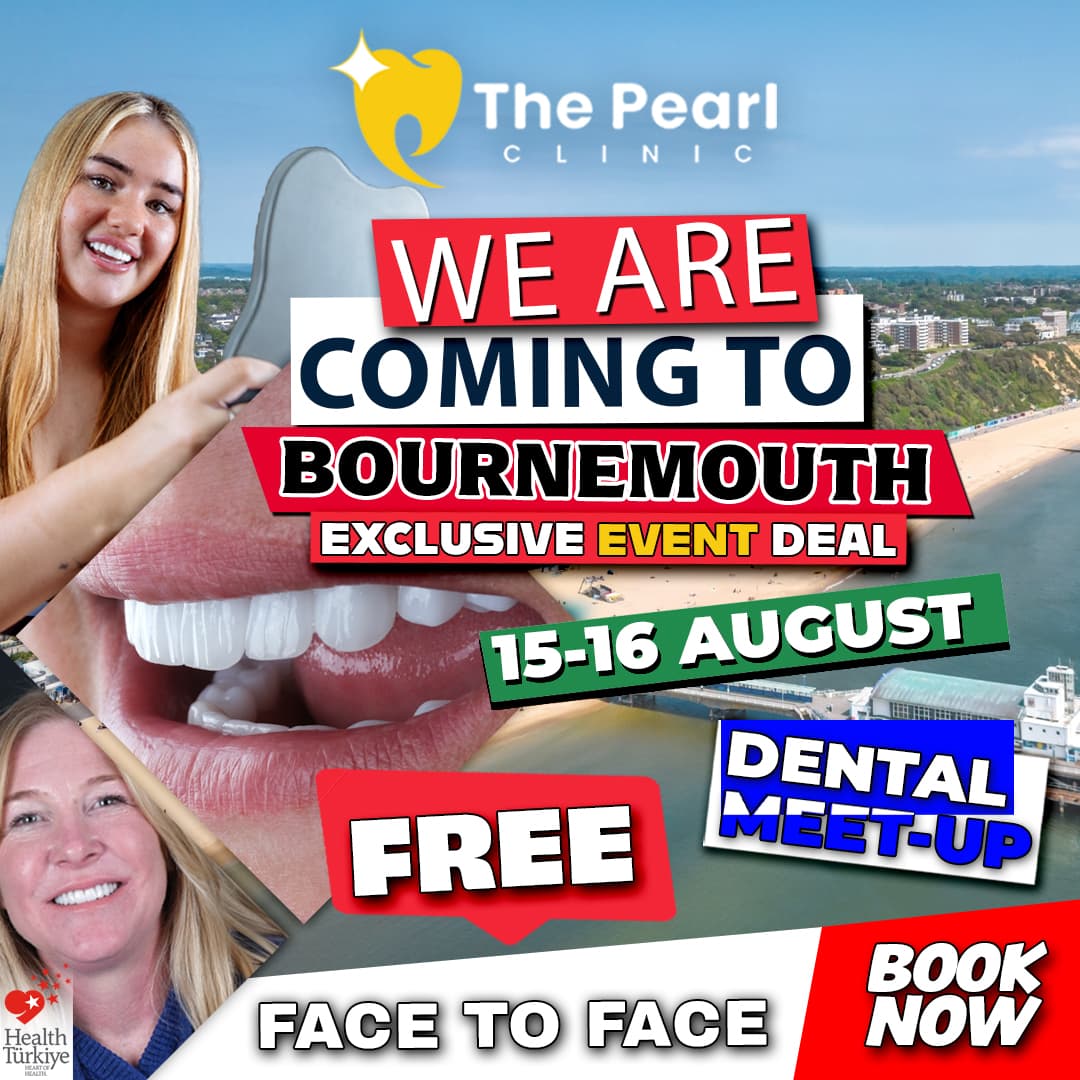
Meet Our Dentists in the UK!
Before flying to Antalya, join our face-to-face consultation events in the UK. Discuss crown materials, shade options and your treatment plan with our dentists — and ask about event-exclusive packages.
Reserve Your UK Consultation15. Frequently Asked Questions (FAQ)
What are zirconia crowns?
Zirconia crowns are tooth-shaped restorations made from zirconium dioxide ceramic. They cover the visible part of a prepared tooth to restore its shape, function and appearance.
Are zirconia crowns better than porcelain crowns?
It depends on the materials being compared and the clinical situation. Zirconia offers different combinations of strength and translucency, while some glass-ceramics, such as lithium disilicate (E-max), offer excellent aesthetics. Your dentist can recommend the right material for the tooth being restored.
How long does it take to get zirconia crowns in Turkey?
Treatment time depends on the number of teeth, the condition of your teeth and gums, the laboratory process and the appointments required. Some cases can be completed over a relatively short period, while more complex treatments need additional time.
Do zirconia crowns look natural?
Modern zirconia is available in different shades and translucency levels. A natural-looking result depends on material selection, crown shape, surface detail, shade matching and the quality of the laboratory work.
Should I choose a natural or a Hollywood white shade?
It depends on your goals and features. Bright 0M shades (often written OM, such as OM3) create a bright, "Hollywood" look, while shades such as 1M1 sit within the natural tooth range. Your dentist can help you choose a shade that suits your skin tone, facial features and any natural teeth you are keeping.
Do zirconia crowns damage natural teeth?
The crown itself doesn't automatically damage a tooth, but conventional crown treatment requires removing some natural tooth structure, and this is irreversible. Your dentist should determine whether a full-coverage crown is necessary or whether a more conservative restoration would work.
Are zirconia crowns suitable for front teeth?
Yes, selected zirconia materials can be used for front teeth. The choice depends on aesthetic requirements, remaining tooth structure, bite forces and the desired balance between translucency and strength.
Can zirconia crowns be placed on dental implants?
Yes. Zirconia can be used for selected implant-supported crowns. The right design depends on the implant system, the position of the implant and the functional and aesthetic requirements.
Can I get zirconia crowns if I grind my teeth?
Possibly, but grinding increases the forces on restorations and can contribute to complications. Your dentist should assess your bite and may recommend protective measures, such as a night guard, when indicated.
Can a zirconia crown cause gum recession?
Gum recession has several possible causes and is not necessarily caused by the crown. If the gums recede around a restoration, your dentist should assess your periodontal health, the crown margins and the underlying tooth.
What is the difference between a crown and a dental bridge?
A crown restores an individual tooth. A conventional dental bridge replaces missing teeth using supporting teeth on one or both sides of the gap, and usually incorporates crowns as part of its design.
How should I care for zirconia crowns?
Brush twice daily with fluoride toothpaste, clean between your teeth and attend regular dental check-ups. Pay special attention to the gumline around each crown; your dentist can recommend suitable interdental cleaning aids.
Do zirconia crowns need replacing?
Not after a fixed period. However, crowns may need repair or replacement if they become damaged, loosen, develop problem margins or if the supporting tooth develops new complications.
How much do zirconia crowns cost in Antalya?
The price depends on the number of crowns, the material, laboratory requirements and any additional treatment needed. Contact The Pearl Clinic Antalya to discuss the proposed treatment and the relevant costs.
Are zirconia crowns suitable for everyone?
No. Suitability depends on the amount of remaining tooth structure, gum health, bite forces and your overall dental condition. Alternative treatments may be more appropriate in some cases.
Ready to plan your Zirconia Crowns?
Request a personalized treatment plan or contact our patient coordinators on WhatsApp.
Similar Treatments
Page Last Updated: 19.10.2026 — Corporate Communications (info@thepearlclinicantalya.com)
Looking for a reliable and satisfied treatment?
Contact Us & Learn More About Our Treatments