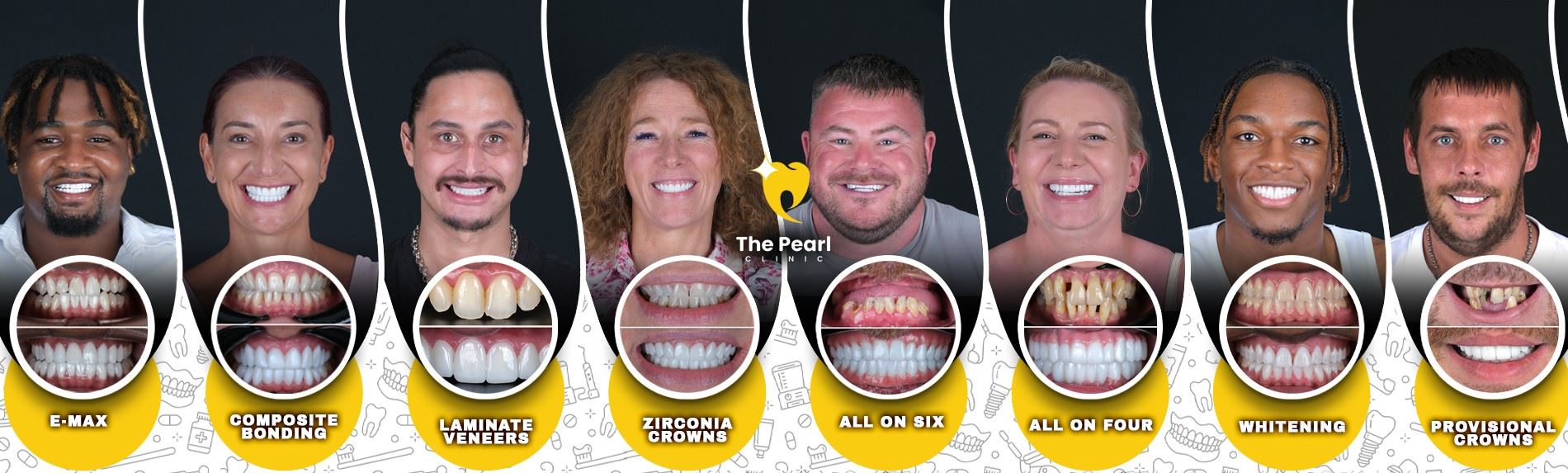






Composite Bonding (Veneers)
Composite Bonding in Antalya: Complete Guide to Treatment, Benefits, Cost, Process & Results
Composite bonding is a minimally invasive cosmetic dental treatment used to improve the shape, size, colour and overall appearance of teeth. Using tooth-coloured composite resin, your dentist can reshape chipped, uneven, worn or slightly misaligned teeth and create a more balanced smile. At The Pearl Clinic Antalya, composite bonding can be planned as an individual treatment or as part of a wider digital smile design.
Table of Contents
- 1. What Is Composite Bonding?
- 2. Who Is Composite Bonding Suitable For?
- 3. What Problems Can Composite Bonding Correct?
- 4. Advantages of Composite Bonding
- 5. Disadvantages and Limitations of Composite Bonding
- 6. Composite Bonding vs Zirconia Crowns
- 7. Composite Bonding vs Porcelain & Laminate Veneers
- 8. Composite Bonding vs E-Max
- 9. The Composite Bonding Treatment Process
- 10. How Long Does Composite Bonding Take?
- 11. How Long Does Composite Bonding Last?
- 12. Composite Bonding Aftercare & Maintenance
- 13. Composite Bonding Before & After
- 14. Digital Smile Design & In-House Dental Laboratory
- 15. Composite Bonding in Antalya & Dental Tourism
- 16. UK Dental Consultation Meet-Ups
- 17. Frequently Asked Questions
Have Questions About Composite Bonding?
Send us your smile photos and receive a preliminary assessment from our dental team before planning your visit to Antalya.
1. What Is Composite Bonding?
Composite bonding, also known as dental bonding or tooth bonding, is a cosmetic dental procedure in which a tooth-coloured composite resin is carefully applied to the surface of a natural tooth. The material is shaped, layered and polished by the dentist to improve the tooth's appearance.
Unlike a traditional dental crown, composite bonding usually requires significantly less alteration of the natural tooth structure. In many suitable cases, the treatment can be performed without extensive tooth preparation.
Composite bonding is commonly used for patients who want to improve small imperfections rather than completely replace the visible structure of a tooth. It can therefore be an attractive option for minor chips, small gaps, irregular edges, uneven tooth shapes and certain cosmetic colour concerns.
What Makes Composite Bonding Different?
• Tooth-Coloured Material: Composite resin can be selected and shaped to blend with the surrounding teeth.
• Minimally Invasive Approach: Depending on the clinical situation, little or no removal of healthy enamel may be necessary.
• Direct Application: The material is applied directly to the tooth and sculpted by the dentist.
• Fast Cosmetic Transformation: Many bonding treatments can be completed in a single appointment.
• Repairable Material: If composite becomes chipped or damaged, it can often be repaired or added to without replacing an entire laboratory-made restoration.
2. Who Is Composite Bonding Suitable For?
Composite bonding is not only for patients looking for a complete smile makeover. It can also be used to correct small imperfections in one or several teeth. The suitability of the treatment depends on the condition of the teeth, bite, enamel, oral hygiene and the patient's aesthetic expectations.
Small Chips
Suitable for restoring minor chips and irregular tooth edges.
Small Gaps
Composite can sometimes be used to visually reduce small spaces between teeth.
Uneven Teeth
Tooth shape and length can be balanced to create a more harmonious smile.
Worn Teeth
Selected cases of minor tooth wear can benefit from additive composite treatment.
Minor Shape Problems
Short, narrow or irregularly shaped teeth can sometimes be enhanced with composite.
Smile Enhancement
Composite bonding can be incorporated into a conservative smile design.
3. What Problems Can Composite Bonding Correct?
One of the main advantages of dental bonding is its versatility. Depending on the patient's dental condition, composite resin may be used to make subtle but visible improvements to the smile.
- Chipped teeth and minor fractures
- Small spaces between teeth
- Uneven tooth edges
- Short or irregular tooth shapes
- Minor tooth wear
- Small cosmetic imperfections
- Minor asymmetry between neighbouring teeth
- Selected discolouration cases
- Smile proportion adjustments
The objective is not simply to cover the teeth with material. A successful composite bonding treatment should consider tooth proportions, facial characteristics, smile line, gum position, tooth width, tooth length and the relationship between neighbouring teeth.
4. Advantages of Composite Bonding
Minimally Invasive
Composite bonding can often preserve more natural tooth structure than traditional crown or veneer preparation.
Fast Treatment
Many simple cases can be completed during one appointment.
Natural-Looking Results
Modern composite materials can be layered and polished to create natural-looking contours and surface texture.
Repairable
Minor chips can often be repaired without replacing the entire restoration.
Flexible Smile Design
Tooth shape, length and proportions can be modified according to the patient's smile characteristics.
Lower Tooth Preparation
In suitable cases, composite can be added directly to the tooth with minimal preparation.
5. Disadvantages and Limitations of Composite Bonding
Although composite bonding is a popular cosmetic dental treatment, it is important to understand that it is not equivalent to every type of veneer or crown. Composite resin has different physical and aesthetic characteristics from laboratory-made ceramic restorations.
Potential Limitations
• Staining: Composite resin can be more susceptible to staining than high-quality ceramic restorations, particularly with frequent exposure to strongly pigmented foods and drinks.
• Wear: Composite may wear or lose its surface polish over time, particularly in patients with heavy biting forces or bruxism.
• Chipping: Composite can chip if exposed to excessive forces or biting hard objects.
• Longevity: The lifespan of composite bonding varies according to oral hygiene, bite, diet, habits, material quality and maintenance.
• Major Colour Changes: Extensive intrinsic discolouration may be better treated with another cosmetic restoration depending on the clinical situation.
For patients who prioritise maximum stain resistance, very high durability or a highly controlled laboratory-fabricated aesthetic result, porcelain, E-Max or zirconia restorations may be considered instead.
6. Composite Bonding vs Zirconia Crowns
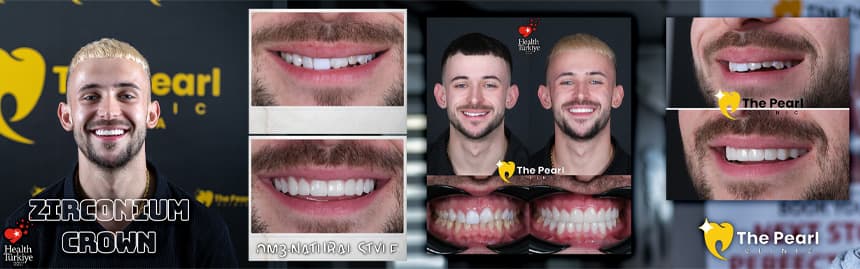
Composite bonding and zirconia crowns are completely different types of dental restorations. Composite bonding is usually an additive cosmetic treatment applied directly to the natural tooth, while a zirconia crown is a laboratory-manufactured restoration that covers a much larger portion of the tooth.
| Feature | Composite Bonding | Zirconia Crown |
|---|---|---|
| Tooth Preparation | Usually minimal in suitable cases | More extensive preparation is normally required |
| Material | Composite resin | Zirconia ceramic |
| Manufacturing | Directly shaped by the dentist | Usually fabricated using laboratory CAD/CAM technology |
| Durability | Good for appropriate cosmetic cases | High strength and suitable for many heavily restored teeth |
| Stain Resistance | More susceptible to staining over time | Generally highly stain resistant |
| Repair | Often easier to repair or add composite | Damaged crowns may require replacement depending on the problem |
| Appointment Time | Often completed in one visit | Usually requires preparation, scanning and laboratory fabrication |
| Best Use | Minor to moderate cosmetic improvements | Extensively damaged or heavily restored teeth in suitable cases |
7. Composite Bonding vs Porcelain & Laminate Veneers
One of the most common questions patients ask is: "Should I choose composite bonding or porcelain veneers?"
The answer depends on how much change is required, the condition of the teeth, the patient's expectations, budget, bite and long-term aesthetic goals.
| Feature | Composite Bonding | Porcelain / Laminate Veneers |
|---|---|---|
| Material | Composite resin | Dental ceramic / porcelain |
| Preparation | Often minimal | Usually requires controlled enamel preparation |
| Aesthetic Stability | Good but can change with time | Highly stable when properly planned and maintained |
| Stain Resistance | Moderate | Generally higher |
| Durability | Suitable for selected cases | Generally more durable for appropriate cases |
| Repairability | Very convenient for minor repairs | Repair can be more complex |
| Speed | Often same-day treatment | Usually requires laboratory production |
| Ideal For | Subtle to moderate smile improvements | More extensive aesthetic transformations |
8. Composite Bonding vs E-Max
E-Max is a lithium disilicate ceramic commonly used for highly aesthetic dental restorations. Like porcelain veneers, E-Max is produced as a laboratory restoration and offers a different combination of aesthetics, strength and colour stability compared with composite resin.
When Composite May Be Preferred
Composite may be preferable when the patient wants a conservative, relatively quick and potentially reversible cosmetic improvement, particularly for small changes in tooth shape.
When E-Max May Be Considered
E-Max may be considered when a patient requires a more extensive laboratory-designed aesthetic restoration, especially when long-term colour stability and ceramic aesthetics are important.
The appropriate material should always be selected after assessing the natural teeth, bite, enamel condition, smile line and the amount of structural or aesthetic change required.
9. The Composite Bonding Treatment Process
At The Pearl Clinic Antalya, composite bonding treatment is planned around the individual patient's smile rather than applying the same tooth shape to every patient. The dentist evaluates tooth proportions, facial harmony, gum position, bite and the desired aesthetic outcome.
Consultation & Smile Assessment
Your teeth, gums, bite and existing restorations are assessed. Your aesthetic expectations and desired tooth shape are discussed.
Digital Photography & Smile Analysis
Dental photographs and digital records can be used to analyse the relationship between the teeth, lips, gum line and facial proportions.
Tooth Shade Selection
The composite shade is selected according to the surrounding teeth, the patient's desired result and the planned smile design.
Tooth Preparation
The tooth is cleaned and isolated. Depending on the case, minimal surface preparation may be performed to optimise bonding.
Bonding & Composite Application
The composite resin is carefully applied in controlled layers. The dentist shapes the material to create the planned tooth anatomy.
Sculpting & Contouring
Tooth length, width, edges, contact points and surface anatomy are carefully refined to create a balanced appearance.
Light Curing
Each layer is cured using a dental curing light to harden the composite material and establish the required strength.
Bite & Contact Adjustment
The dentist checks how the teeth meet during biting and movement and makes any necessary adjustments.
Final Polishing
The restoration is polished to improve smoothness, shine and natural surface characteristics.
10. How Long Does Composite Bonding Take?
One of the biggest advantages of composite bonding is the relatively short treatment time compared with many laboratory-made cosmetic restorations. However, the exact duration depends on the number of teeth being treated, the complexity of the case and whether additional dental procedures are required.
Typical Composite Bonding Treatment Time
1–2 teeth: Often around 1 appointment.
4–6 teeth: May require several hours depending on complexity.
8–10 teeth: Usually requires a longer appointment or may be divided into treatment sessions.
Full smile bonding: Treatment time varies considerably depending on the number of teeth and the desired level of smile design.
For international patients travelling to Antalya, the exact schedule can be planned before arrival after the dental team evaluates photographs, X-rays or digital records where appropriate.
Unlike ceramic veneers, composite bonding does not normally require a laboratory manufacturing period for every individual restoration because the composite is applied directly to the tooth. This can make it particularly convenient for patients visiting Antalya for a short dental holiday.
Example International Patient Schedule
Before travelling: Send photographs and dental information to the clinic for a preliminary assessment.
Day 1: Consultation, examination, treatment planning and shade discussion.
Day 2: Composite bonding treatment, depending on the planned number of teeth.
Final Stage: Bite check, polishing, photographs and dentist review.
The exact schedule is individual and may be longer when additional dental treatment is required.
11. How Long Does Composite Bonding Last?
There is no single guaranteed lifespan for composite bonding. Longevity depends on the quality of the material, the technique used, oral hygiene, bite forces, diet, tooth position and individual habits.
With appropriate care, composite bonding can provide good cosmetic results for several years. However, patients should understand that composite is generally more susceptible to surface wear and staining than ceramic restorations.
Good Oral Hygiene
Regular brushing and interdental cleaning help maintain the surrounding teeth and gums.
Regular Dental Reviews
Professional examinations allow early identification of wear, staining or small chips.
Avoid Excessive Forces
Do not use bonded teeth to bite hard objects or non-food items.
Manage Bruxism
Patients who grind or clench their teeth may need additional protection such as a night guard.
12. Composite Bonding Aftercare & Maintenance
Maintaining composite bonding is similar to maintaining natural teeth, but some habits should be avoided to reduce the risk of staining, chipping and premature wear.
- Brush your teeth twice a day with a suitable toothbrush.
- Clean between the teeth every day.
- Attend regular dental check-ups.
- Avoid biting pens, fingernails or other hard objects.
- Be careful with very hard foods.
- Limit frequent exposure to strongly staining foods and drinks.
- Follow your dentist's recommendations regarding whitening products.
- If you grind your teeth, ask your dentist whether a night guard is appropriate.
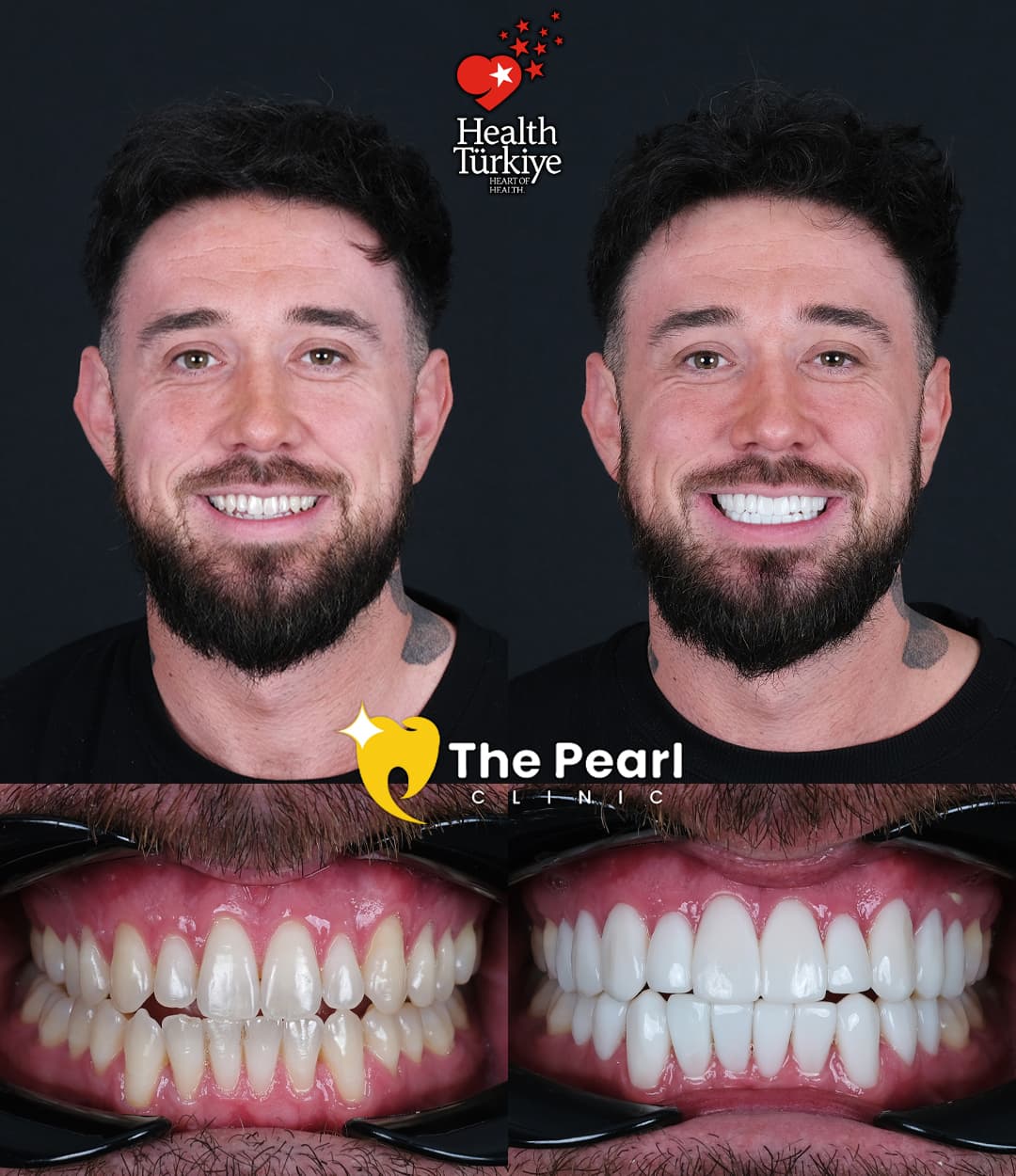
13. Composite Bonding Before & After
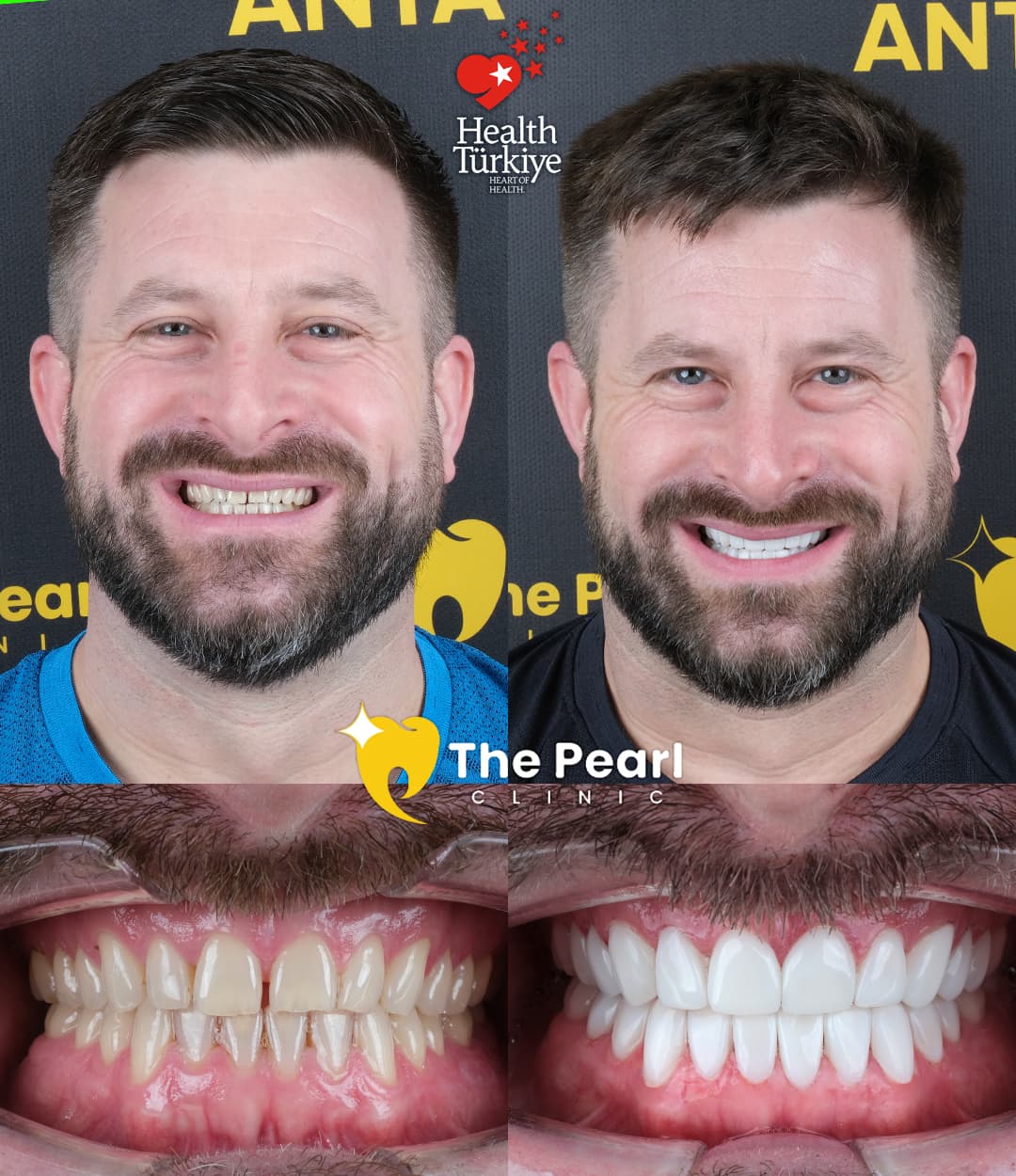
Composite bonding can create noticeable improvements while maintaining a relatively natural appearance. Depending on the case, before-and-after changes may include improved tooth proportions, smoother edges, reduced visual gaps and a more balanced smile line.
Composite Smile Transformations
View Full Smile Gallery →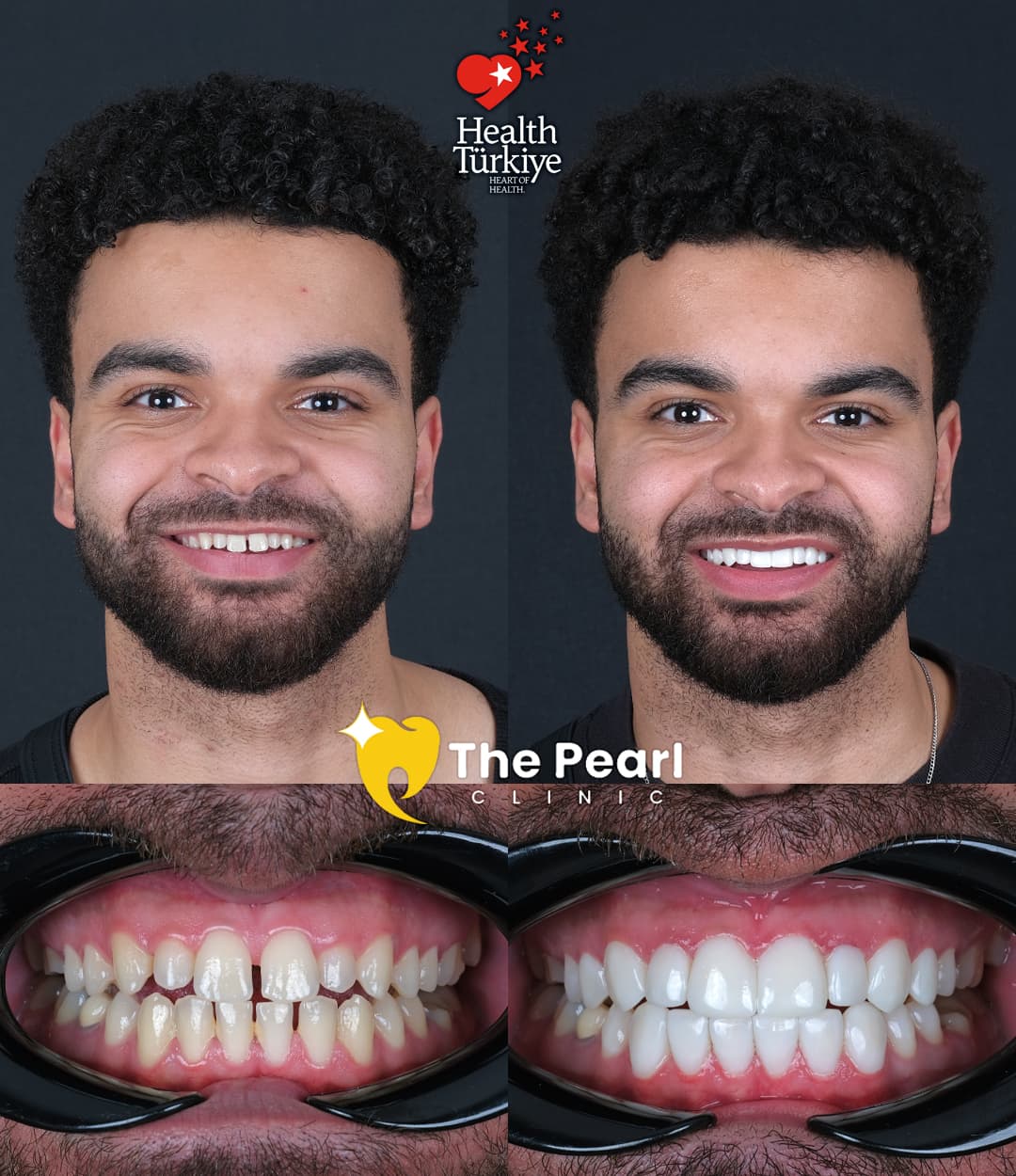
14. Digital Smile Design & In-House Dental Laboratory
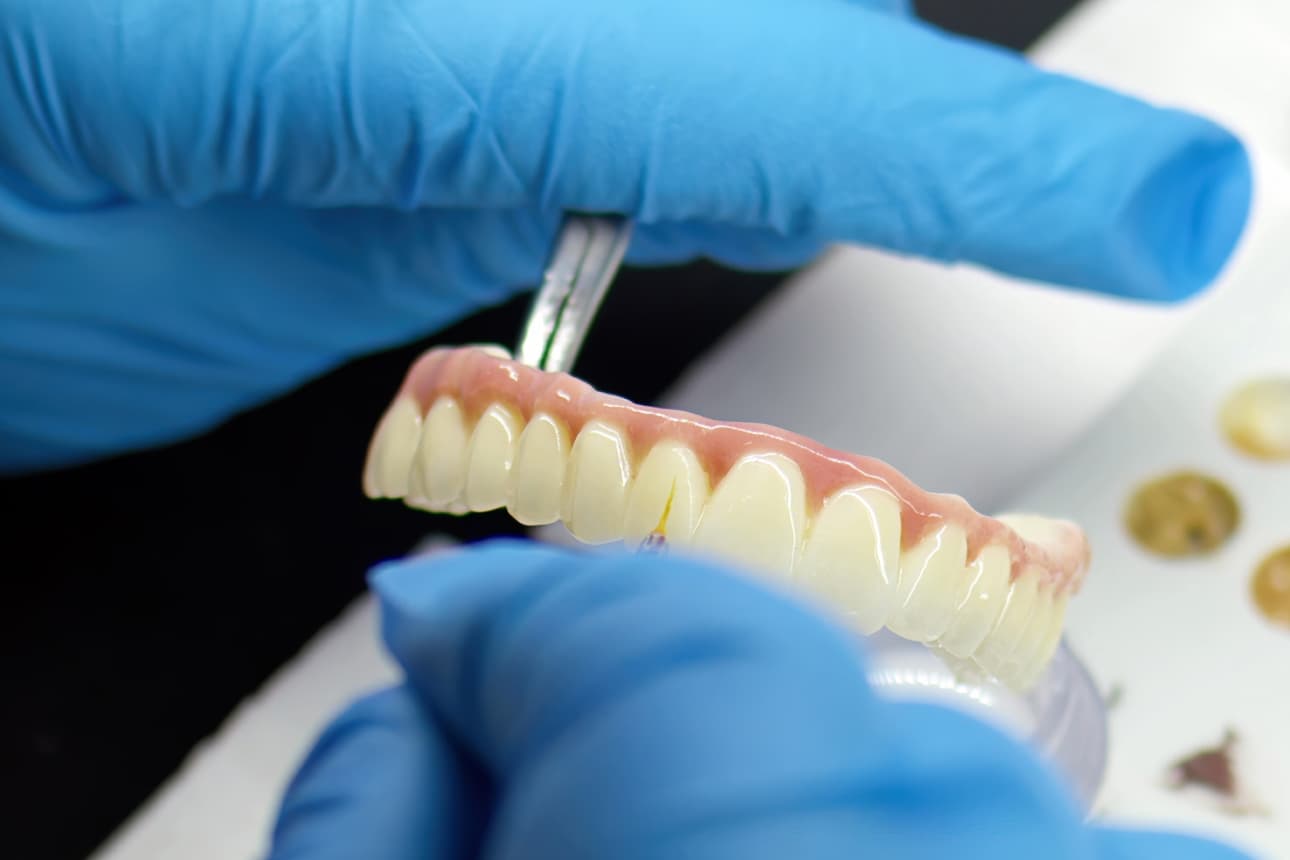
Although composite bonding is applied directly by the dentist rather than fabricated as a conventional ceramic veneer, digital dentistry can still play an important role in planning the overall smile.
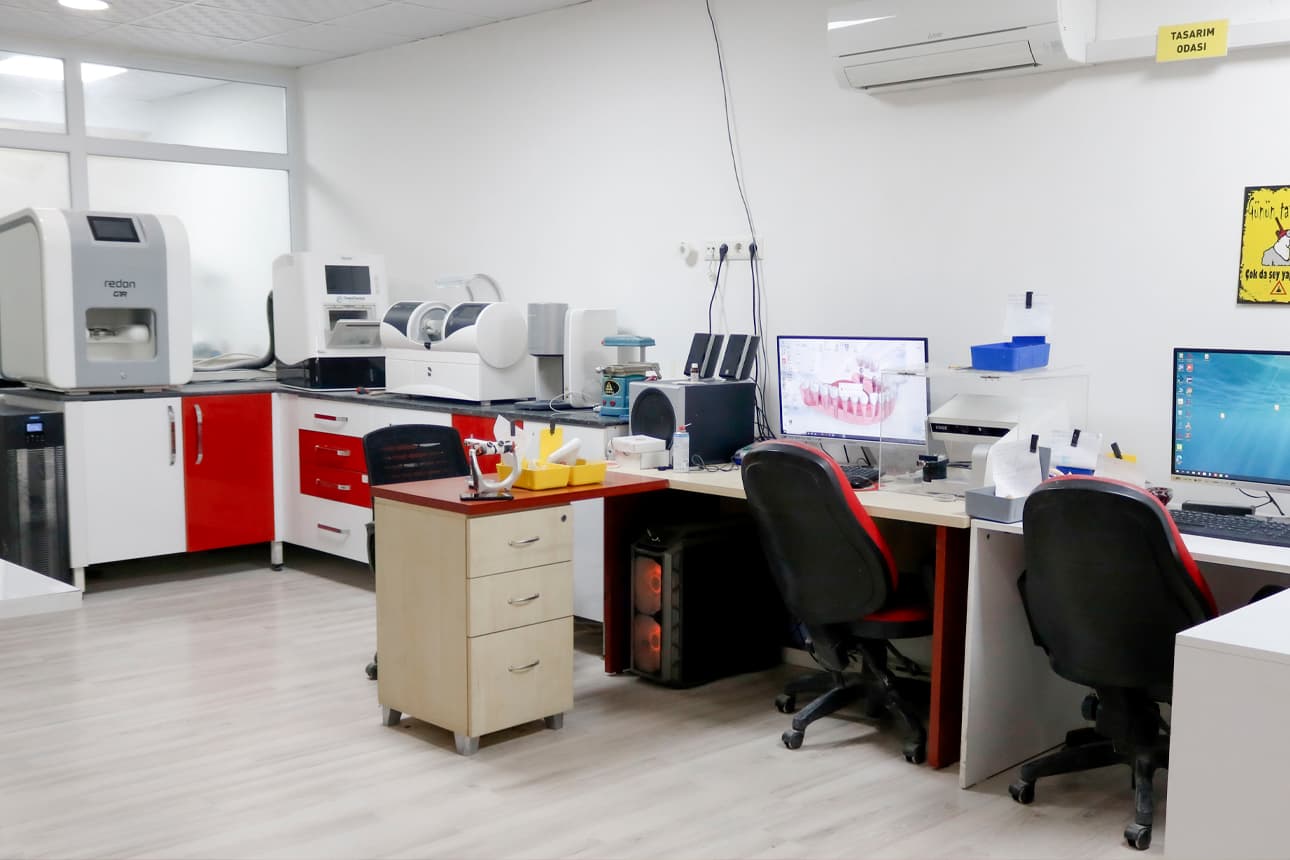
Digital photographs, intraoral scanning and digital smile analysis can help the dental team assess tooth proportions, symmetry and the relationship between the smile and facial features.
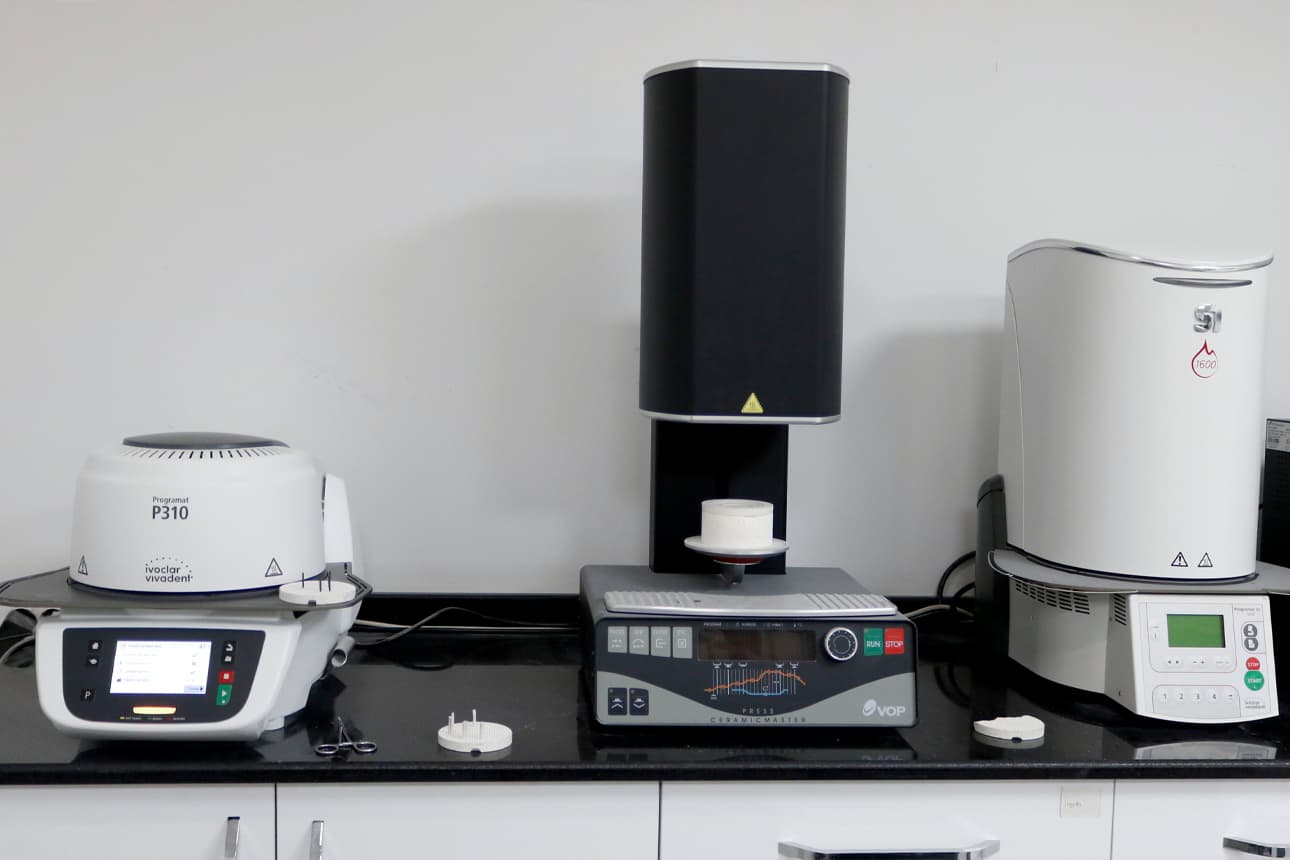
Digital Smile Design & Dental Technology
Precision PlanningOur digital workflow helps the dental team analyse your smile and plan aesthetic proportions before treatment.
Why Does Laboratory Experience Still Matter?
Composite bonding itself is directly sculpted by the dentist, but many patients compare composite with veneers, E-Max and zirconia before choosing their treatment. Access to modern digital dentistry and an experienced dental laboratory allows the clinic to evaluate alternative treatment options and select the most appropriate approach for the patient's needs.
15. Composite Bonding in Antalya & Dental Tourism
Antalya has become a popular destination for international patients seeking cosmetic dentistry because patients can combine dental treatment with a Mediterranean holiday.
For patients considering composite bonding in Turkey, treatment planning can begin remotely. Patients can send photographs and relevant dental information before travelling, allowing the dental team to provide an initial assessment and discuss whether composite bonding, veneers, zirconia or another treatment may be more appropriate.
Combine Your Smile Treatment With Antalya
Between dental appointments, international patients can enjoy Antalya's Mediterranean coastline, historical Old Town, restaurants and resort atmosphere.



Thinking About Composite Bonding in Antalya?
Send your smile photos to our patient coordinators and discuss your treatment options before travelling.
16. UK Dental Consultation Meet-Ups

Meet Our Dental Team in the UK
Patients considering composite bonding, veneers, zirconia crowns or other cosmetic dental treatments may have the opportunity to meet our dental team during selected face-to-face consultation events in the UK.
Reserve Your Consultation17. Frequently Asked Questions About Composite Bonding
What is composite bonding?
Composite bonding is a cosmetic dental treatment in which tooth-coloured composite resin is applied directly to the tooth and shaped to improve its appearance. It can be used to correct selected chips, gaps, irregular shapes, uneven edges and other minor cosmetic imperfections.
How long does composite bonding take?
The treatment time depends on the number of teeth and the complexity of the smile design. Some small cases can be completed in a single appointment, while larger smile transformations may require a longer appointment or more than one session.
Can composite bonding be completed in one day?
Yes. Many suitable composite bonding cases can be completed in one day because the material is applied directly to the teeth rather than manufactured as a conventional laboratory veneer.
How long does composite bonding last?
The lifespan varies from patient to patient. Oral hygiene, biting forces, diet, smoking, tooth grinding, maintenance and the number of teeth treated can all affect longevity. Composite can also be repaired or refreshed when appropriate.
Does composite bonding damage natural teeth?
Composite bonding is considered a conservative treatment because suitable cases can often be treated with minimal tooth preparation. However, every case is different and the dentist determines whether any preparation is necessary.
Is composite bonding reversible?
Because composite bonding can often be performed with minimal alteration of the natural tooth, it may be more conservative than treatments that require significant tooth preparation. Whether it is fully reversible depends on how the individual teeth were treated.
Does composite bonding stain?
Composite resin can become stained over time, particularly with frequent consumption of strongly pigmented foods and drinks. Good oral hygiene and professional maintenance can help preserve the appearance.
Can composite bonding be whitened?
Whitening products generally work on natural tooth structure and do not whiten composite resin in the same way. If whitening is planned, your dentist should advise whether whitening should be completed before composite bonding.
Can composite bonding fix gaps between teeth?
Composite can be used to close or reduce certain small gaps between teeth. However, larger spaces or gaps caused by tooth position, missing teeth or bite problems may require orthodontic or restorative treatment.
Can composite bonding fix crooked teeth?
Composite can sometimes create the appearance of improved alignment when teeth have minor shape or position irregularities. It does not physically move teeth like orthodontic treatment. Significant misalignment may require orthodontics or another treatment.
What is the difference between composite bonding and veneers?
Composite bonding uses resin that is applied and sculpted directly on the tooth. Veneers are thin laboratory-made restorations, usually made from porcelain or another ceramic. Composite is generally faster and more conservative, while ceramic veneers can provide higher long-term colour stability and a different level of aesthetic durability.
Is composite bonding better than zirconia?
Neither material is universally better. Composite bonding is generally used for conservative cosmetic improvements, while zirconia crowns are designed to restore teeth that require greater structural coverage. The correct treatment depends on the condition of the tooth and the patient's clinical needs.
Is composite bonding cheaper than veneers?
Composite bonding is often less expensive than laboratory-made ceramic veneers because it does not require the same laboratory manufacturing process. The final price depends on the number of teeth, complexity and treatment plan.
Does composite bonding hurt?
Composite bonding is generally a minimally invasive cosmetic procedure. Most patients experience little or no discomfort, although sensitivity can vary depending on the condition of the tooth and whether preparation or additional treatment is required.
Can composite bonding chip?
Yes. Composite can chip if exposed to excessive biting forces, hard foods, trauma or habits such as biting fingernails or pens. Minor chips can often be repaired depending on the condition of the restoration.
Can composite bonding be repaired?
One of the advantages of composite is that minor damage can often be repaired by adding or reshaping composite material rather than replacing the entire restoration.
Can I eat normally after composite bonding?
Your dentist will provide individual aftercare instructions. Once the material has been properly cured, patients can generally return to normal eating, but very hard foods and habits that place excessive pressure on the bonded teeth should be avoided.
How should I look after composite bonding?
Brush twice daily, clean between the teeth, attend regular dental check-ups and avoid biting hard objects. Patients should also discuss teeth grinding and night-guard protection with their dentist where appropriate.
Can smokers have composite bonding?
Smoking can contribute to staining and may negatively affect overall oral health. Patients should discuss smoking habits with their dentist before treatment and follow professional recommendations.
Can I have composite bonding in Turkey?
Yes. International patients can have composite bonding in Turkey following a dental examination and treatment plan. At The Pearl Clinic Antalya, patients can discuss their treatment remotely before travelling and organise their appointment schedule in advance.
How many days should I stay in Antalya for composite bonding?
The required stay depends on the number of teeth, treatment complexity and whether additional procedures are needed. Many straightforward composite bonding treatments can be completed within a short visit, but the exact number of days should be confirmed after clinical assessment.
Can I combine composite bonding with a holiday in Antalya?
Yes. One of the benefits of choosing Antalya for dental treatment is the opportunity to combine your dental appointments with a Mediterranean holiday. Your exact schedule should be organised around your clinical appointments and dentist's recommendations.
How do I know whether composite, veneers or zirconia is right for me?
The best option depends on your natural tooth structure, oral health, bite, aesthetic goals, colour requirements, desired longevity and the amount of tooth alteration required. A dentist should assess your teeth before recommending composite bonding, veneers, E-Max or zirconia.
Ready to plan your Composite Bonding (Veneers)?
Request a personalized treatment plan or contact our patient coordinators on WhatsApp.
Similar Treatments
Page Last Updated: 19.10.2026 — Corporate Communications (info@thepearlclinicantalya.com)
Looking for a reliable and satisfied treatment?
Contact Us & Learn More About Our Treatments