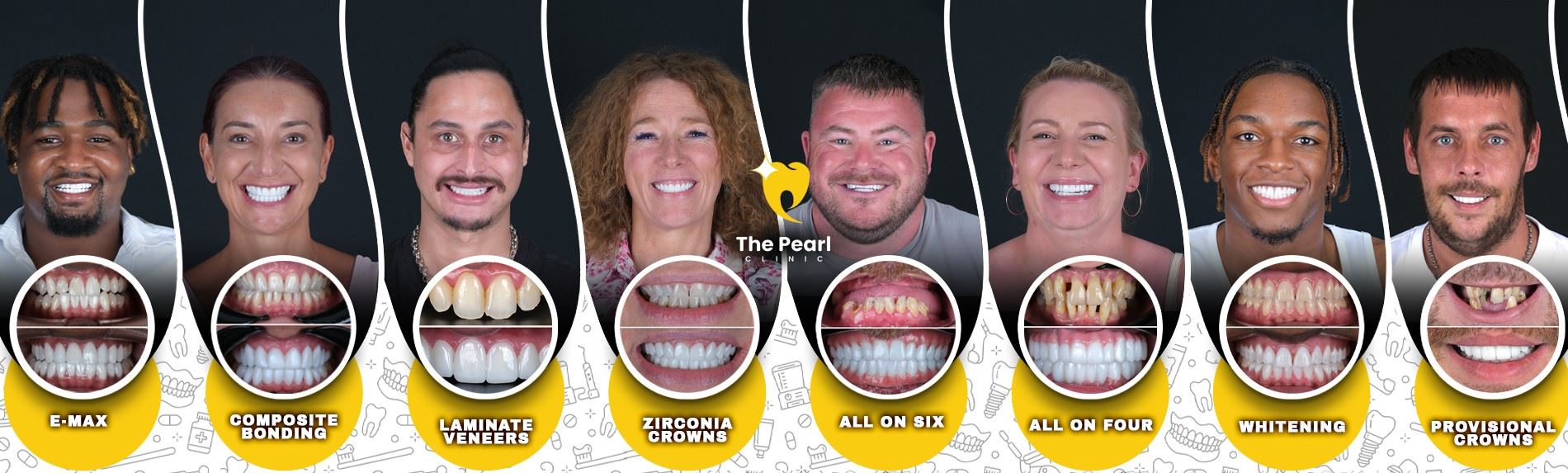






Laminate Veneer
Laminate Veneers in Antalya: Complete Guide to Treatment, Preparation, Cost & Results
Laminate veneers, also known as porcelain veneers or dental laminates, are thin, custom-made ceramic restorations bonded to the visible front surface of teeth to improve their shape, colour, proportion and overall smile appearance. At The Pearl Clinic Antalya, laminate veneer treatment combines digital smile planning, minimally invasive tooth preparation, high-precision ceramic work and an advanced in-house dental laboratory to create a personalised smile design. This complete guide explains which teeth are suitable, how laminate veneers are placed, whether tooth preparation is required, how laminate veneers differ from zirconia crowns, how long treatment takes and what international patients can expect when travelling to Antalya.
Contents
- 1. What Are Laminate Veneers?
- 2. Who Is Suitable for Laminate Veneers?
- 3. Which Teeth Are Best Suited to Veneers?
- 4. What Dental Problems Can Laminate Veneers Correct?
- 5. Do Laminate Veneers Require Tooth Shaving?
- 6. How Much Tooth Preparation Is Needed?
- 7. Laminate Veneers vs Zirconia Crowns
- 8. Step-by-Step Laminate Veneer Treatment Process
- 9. Digital Smile Design & Preview
- 10. Our In-House Advanced Dental Laboratory
- 11. How Long Does Laminate Veneer Treatment Take?
- 12. Temporary Veneers During Treatment
- 13. Ceramic Selection, Colour & Natural Appearance
- 14. Laminate Veneers for International Patients in Antalya
- 15. Patient Satisfaction & Smile Transformations
- 16. Why Choose The Pearl Clinic Antalya?
- 17. Frequently Asked Questions
1. What Are Laminate Veneers?
Laminate veneers are thin, individually designed dental restorations that are bonded to the front surface of a tooth. They are generally made from tooth-coloured ceramic materials and are designed to improve the visual appearance of the smile while preserving as much healthy natural tooth structure as clinically appropriate.
The American Dental Association describes a laminate veneer as a thin covering of the facial surface of a tooth, generally made from tooth-coloured material, used to restore teeth that are discoloured, damaged, misshapen or misaligned. :contentReference[oaicite:0]{index=0}
Unlike a traditional full dental crown, a laminate veneer does not normally cover the entire tooth. Instead, it is designed primarily for the visible facial surface of the tooth.
What Can Laminate Veneers Change?
• Tooth Colour: Veneers can help mask certain forms of discolouration and create a more uniform smile shade.
• Tooth Shape: Short, narrow, irregular or disproportionate teeth can be redesigned within the limits of the patient's natural anatomy.
• Tooth Proportion: Veneers can help create a more balanced relationship between tooth width, height and the overall smile.
• Minor Gaps: Selected spaces between suitable teeth may be visually reduced through carefully designed restorations.
• Minor Chips: Small cosmetic imperfections may be concealed with a customised ceramic veneer.
2. Who Is Suitable for Laminate Veneers?
Laminate veneers are primarily a cosmetic dental treatment. However, suitability should always be determined after a professional dental examination rather than from photographs alone.
At The Pearl Clinic Antalya, the first stage is to assess the condition of the teeth, gums, bite and surrounding oral structures before deciding whether veneers are appropriate.
Patients Who May Be Suitable
Laminate veneers may be considered for patients with generally healthy teeth and gums who want to improve concerns such as tooth colour, shape, minor chips, small gaps, mild irregularities or overall smile symmetry.
When Alternative Treatment May Be More Appropriate
Patients with untreated tooth decay, active gum disease, significant structural damage, severe tooth wear or other underlying dental problems may require restorative or periodontal treatment before cosmetic veneers are considered.
A veneer should not be used simply to cover an unhealthy tooth. The American Dental Association warns that dental procedures which alter tooth structure should be performed under appropriate professional dental supervision because inappropriate preparation can result in irreversible damage. :contentReference[oaicite:1]{index=1}
3. Which Teeth Are Best Suited to Veneers?
Laminate veneers are most commonly associated with the visible front teeth because these teeth have a major influence on the appearance of the smile.
The upper central incisors, lateral incisors and canines are frequently considered when designing an aesthetic smile. Depending on the patient's smile line, tooth position and treatment objectives, veneers may also be planned for additional visible teeth.
Upper Front Teeth
The upper front teeth are among the most common teeth considered for cosmetic veneer treatment because they are highly visible when speaking and smiling.
Lower Front Teeth
Lower anterior teeth can also be treated in selected cases. However, the dentist must consider the patient's bite, tooth thickness, functional contacts and available enamel before deciding on the appropriate restoration.
Multiple Teeth for a Complete Smile Design
Some patients require veneers on several visible teeth to create consistent proportions, symmetry and colour across the smile rather than treating a single tooth in isolation.
4. What Dental Problems Can Laminate Veneers Correct?
One of the main advantages of ceramic laminate veneers is their ability to address several cosmetic concerns through a single coordinated smile design.
- Discoloured teeth: Certain intrinsic or persistent stains may be masked with appropriately selected ceramic restorations.
- Small chips: Minor fractures and worn edges can sometimes be incorporated into the new tooth design.
- Uneven tooth shapes: Teeth that appear too short, narrow, pointed or irregular may be visually redesigned.
- Minor spaces: Carefully planned veneers may reduce the appearance of selected gaps.
- Minor alignment concerns: In suitable cases, veneers can create the visual appearance of a more aligned smile without moving the teeth orthodontically.
- Uneven proportions: Digital smile planning can help establish a more harmonious relationship between tooth dimensions.
Important Clinical Consideration
Laminate veneers are not a substitute for orthodontic treatment in every case. Significant tooth rotation, major crowding, severe malocclusion or substantial structural damage may require a different treatment approach.
5. Do Laminate Veneers Require Tooth Shaving?
This is one of the most frequently searched questions about laminate veneers: "Do veneers require shaving the teeth?"
The answer depends on the individual tooth, the desired final shape, the existing tooth position, the amount of available enamel, the ceramic selected and the treatment plan.
Modern cosmetic dentistry often aims for a minimally invasive preparation whenever clinically possible. In selected cases, very limited enamel modification may be required. In other situations, more preparation may be necessary to create adequate space for the planned restoration.
The objective is not simply to "shave teeth". The dentist carefully controls the amount and location of tooth preparation so the ceramic restoration can achieve the intended shape, function and aesthetic result.
Enameloplasty itself involves removing small amounts of enamel to alter tooth shape and is considered minimally invasive when appropriately performed. However, excessive enamel removal can permanently weaken the tooth structure. :contentReference[oaicite:2]{index=2}
6. How Much Tooth Preparation Is Needed?
The amount of preparation required for laminate veneers varies from patient to patient. There is no single preparation depth that is appropriate for every tooth.
During treatment planning, the dentist considers the existing enamel, tooth colour, tooth position, desired ceramic thickness, bite and final smile design.
Minimal-Preparation Veneers
When the natural tooth position and desired result allow it, a conservative preparation approach may preserve a greater amount of natural enamel.
Traditional Conservative Veneer Preparation
When additional space is required to achieve the planned tooth shape and ceramic thickness, the dentist may carefully prepare the facial surface and other selected areas of the tooth.
Why Enamel Matters
Healthy enamel provides an important bonding surface for adhesive ceramic restorations. For this reason, preserving sound enamel whenever clinically possible is an important principle of conservative cosmetic dentistry.
7. Laminate Veneers vs Zirconia Crowns
Laminate veneers and zirconia crowns are both used in modern aesthetic dentistry, but they are fundamentally different restorations.
| Feature | Laminate Veneers | Zirconia Crowns |
|---|---|---|
| Coverage | Primarily covers the visible facial surface of the tooth. | Designed to cover and restore the tooth more extensively. |
| Tooth Preparation | Often conservative and enamel-focused when clinically appropriate. | Generally requires more tooth preparation because the restoration surrounds the tooth. |
| Main Purpose | Primarily aesthetic smile enhancement. | Restoration of teeth requiring greater structural coverage as well as aesthetic improvement. |
| Suitable Teeth | Healthy teeth with appropriate structure and cosmetic concerns. | Teeth requiring more extensive structural restoration may be considered. |
| Aesthetic Planning | Highly suitable for detailed anterior smile design. | Can also provide highly aesthetic results depending on material and design. |
A full crown may be more appropriate when a tooth has extensive structural damage, while a conservative veneer may be considered when the tooth is sufficiently healthy and the patient's concern is primarily aesthetic. The correct choice depends on clinical examination rather than the material name alone. :contentReference[oaicite:3]{index=3}
Get a Free Veneer Assessment
Send your smile photographs or previous dental X-rays directly to our team via WhatsApp and receive an initial treatment assessment before travelling to Antalya.
8. Step-by-Step Laminate Veneer Treatment Process
A successful laminate veneer treatment is not simply the process of placing ceramic shells onto teeth. The result depends on diagnosis, smile planning, tooth preparation, digital records, laboratory communication, ceramic design, try-in and final bonding.
STEP 1: Consultation & Dental Examination
The dentist examines the teeth, gums, bite and overall oral health. Existing fillings, decay, gum conditions, tooth wear and other factors are assessed before cosmetic treatment is approved.
STEP 2: Digital Smile Assessment
Digital photographs, intraoral scanning and other diagnostic records can be used to analyse tooth proportions, smile symmetry, gingival display and the relationship between the teeth and surrounding facial features.
STEP 3: Smile Design
The proposed tooth shapes, proportions and overall aesthetic direction are planned before the definitive ceramic restorations are produced.
STEP 4: Tooth Preparation
If preparation is clinically required, the dentist carefully modifies the tooth surface according to the approved treatment plan. The objective is to create the correct space for the ceramic restoration while preserving healthy tooth structure whenever possible.
STEP 5: Digital Scan
A high-resolution intraoral scan records the prepared teeth and surrounding structures. Digital impressions can be used to create accurate records for customised dental restorations. :contentReference[oaicite:4]{index=4}
STEP 6: Laboratory Design & Ceramic Production
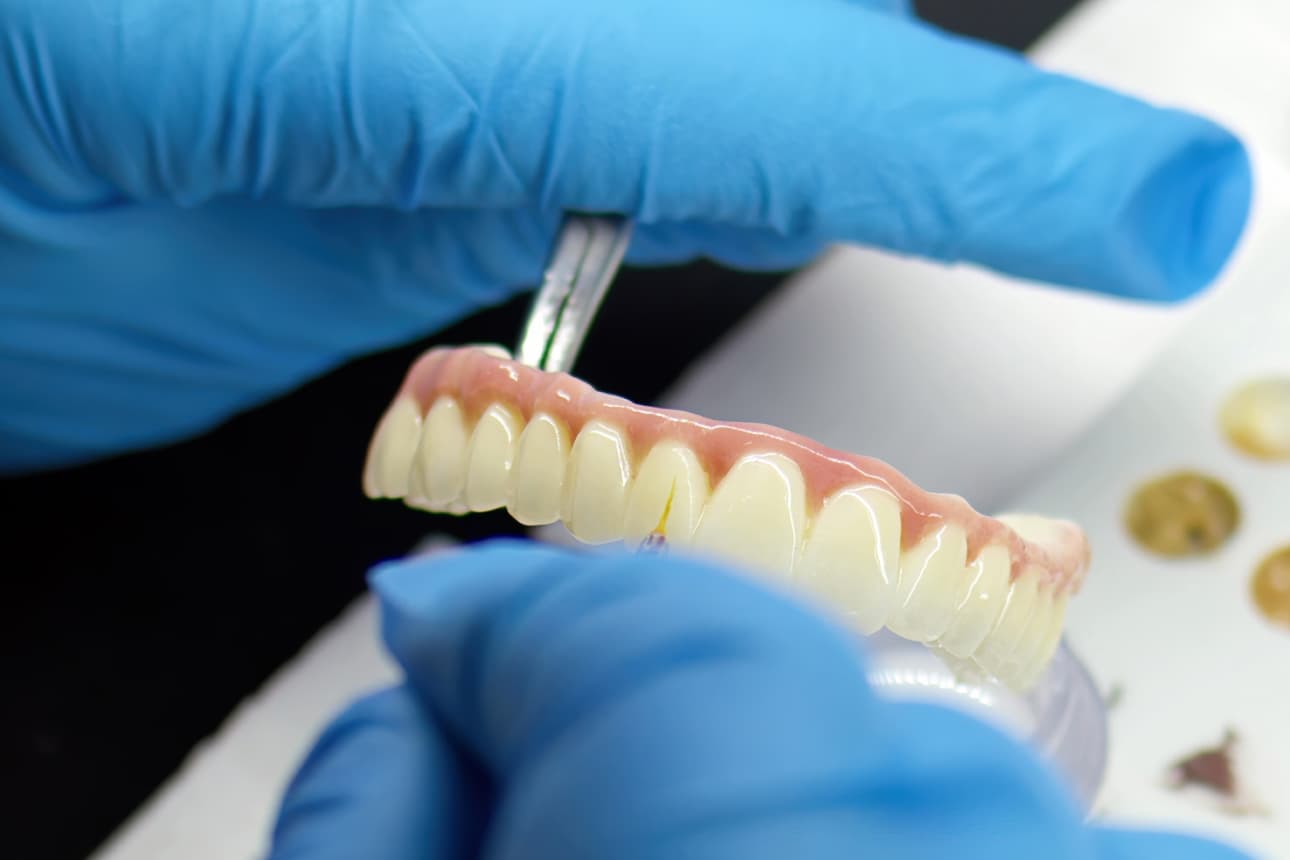
The digital information is transferred to our dental laboratory team, where the veneers are designed, shaped, finished and customised according to the approved treatment plan.
STEP 7: Try-In & Clinical Evaluation
Before final bonding, the dentist checks the fit, tooth proportions, colour, smile line, phonetics and bite. Any necessary adjustments are addressed before definitive cementation.
STEP 8: Adhesive Bonding
Once the veneers are approved, the teeth and ceramic surfaces are prepared according to the selected adhesive protocol and the veneers are bonded into their planned positions.
STEP 9: Final Bite & Aesthetic Check
The dentist evaluates the bite and contacts and makes any necessary finishing adjustments to ensure the restorations function comfortably and harmoniously with the patient's natural dentition.
9. Digital Smile Design & Preview
One of the most important stages of modern laminate veneer treatment is planning the final appearance before the definitive restorations are produced.
Digital Smile Design allows the clinical team to evaluate tooth proportions, symmetry, smile width, tooth visibility and the relationship between the proposed restorations and the patient's facial features.
What Is Analysed?
• Tooth Length: Determines how much tooth should be visible during smiling and speaking.
• Tooth Width: Helps establish harmonious proportions.
• Midline: Evaluates the relationship between the dental midline and facial features.
• Smile Line: Considers the relationship between the incisal edges and lower lip.
• Gingival Display: Helps assess the amount of gum visible during smiling.
• Tooth Colour: Establishes the desired shade and translucency direction.
10. Our In-House Advanced Dental Laboratory
Advanced Ceramic Production Under One Roof
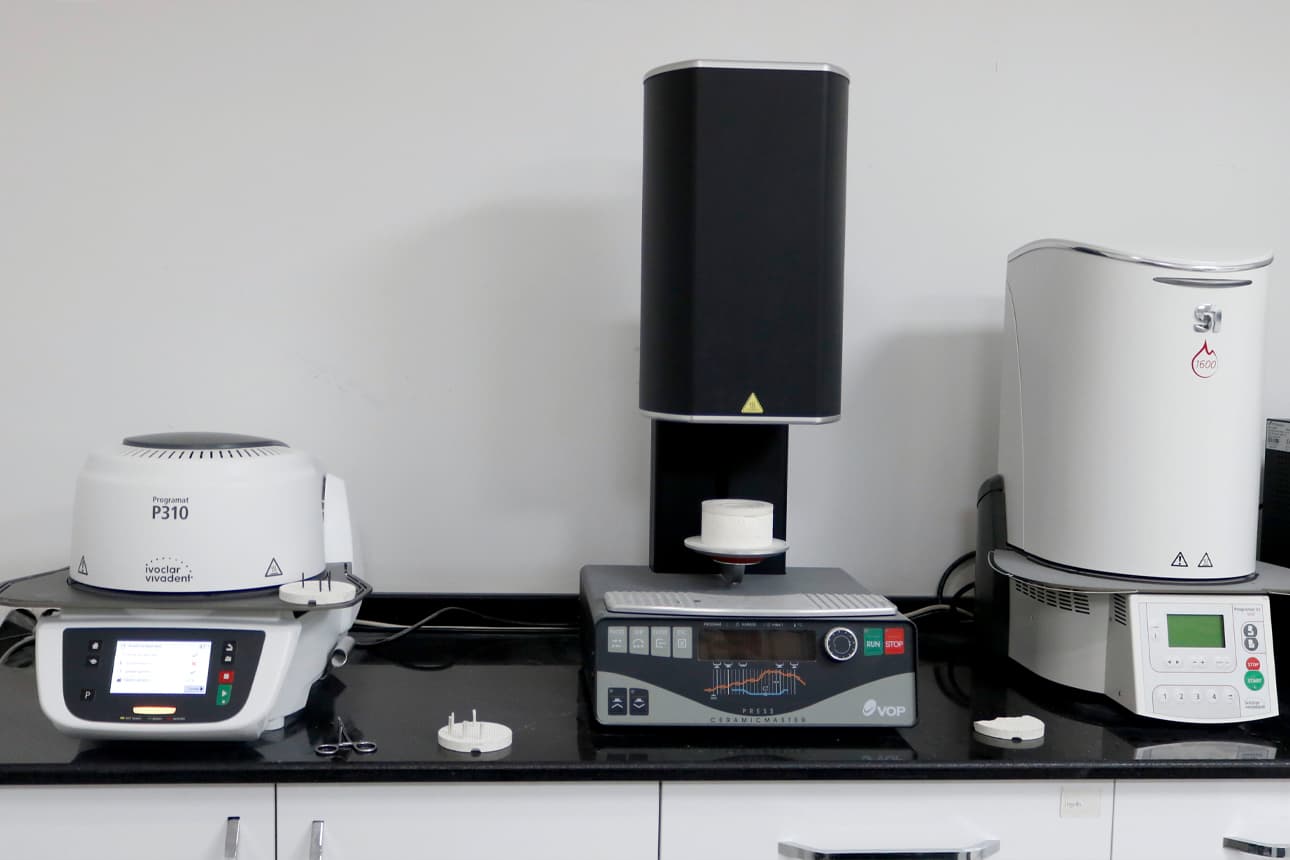
At The Pearl Clinic Antalya, our cosmetic dentistry workflow is supported by an in-house dental laboratory. This allows our clinical and laboratory teams to work closely together throughout the design and production process.
Instead of relying entirely on an external laboratory workflow, our team can communicate directly regarding tooth shape, colour, translucency, texture, proportions and finishing details. This integrated approach is particularly valuable for highly aesthetic treatments such as laminate veneers.
Digital Workflow
Digital intraoral scanning and computer-aided design help create accurate records and customised veneer designs.
CAD/CAM Technology
Advanced digital manufacturing technologies support the production of accurately designed ceramic restorations.
In-House Technicians
Our laboratory technicians work closely with the clinical team throughout the veneer design and finishing process.
Individual Characterisation
Surface texture, translucency, shade and tooth morphology can be customised according to the patient's smile design.
Inside Our Dental Laboratory
View Our Smile Gallery →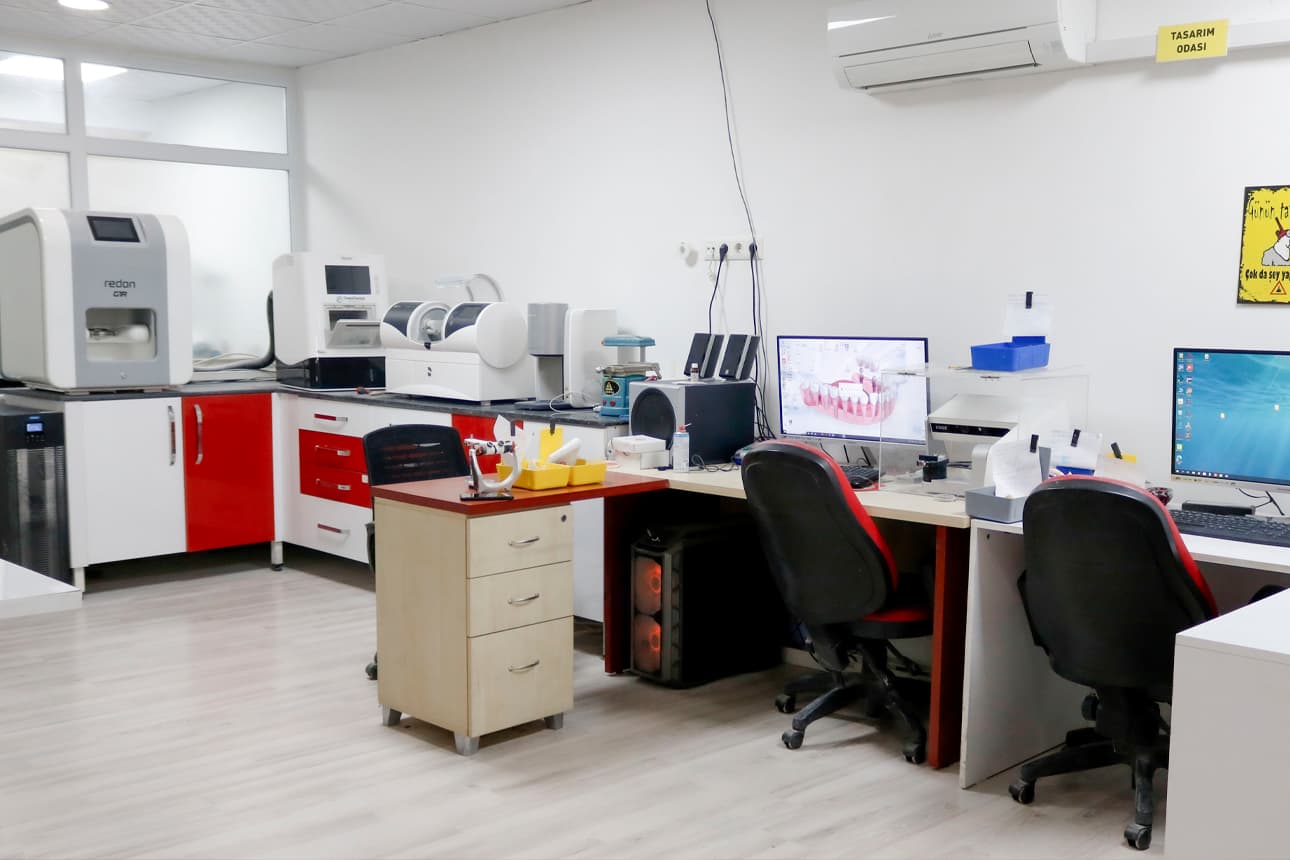
11. How Long Does Laminate Veneer Treatment Take?
The exact treatment time depends on the number of veneers, the complexity of the smile design, the patient's oral health and the laboratory workflow.
For international patients travelling to Antalya, cosmetic veneer treatment can often be organised into a structured short stay. However, the exact number of appointments and days required should be confirmed after the patient's clinical assessment.
Typical Treatment Stages
Day 1: Consultation, examination, photographs and digital scanning.
Day 2: Smile design confirmation and preparation where clinically required.
Following Stage: Digital laboratory design and ceramic production.
Final Appointment: Try-in, approval, adhesive bonding and final bite adjustments.
Patients travelling from abroad should always allow enough time for clinical evaluation and any necessary adjustments rather than choosing a treatment schedule based solely on a fixed number of days.
12. Temporary Veneers During Treatment
When tooth preparation is required, temporary restorations may be used while the definitive ceramic veneers are being produced.
Temporary veneers help protect prepared surfaces and allow the patient to maintain normal daily activities while the final restorations are being completed.
Why Are Temporaries Important?
They can help protect prepared teeth, maintain appearance and provide an opportunity to evaluate the planned shape and proportions before final ceramic bonding.
13. Ceramic Selection, Colour & Natural Appearance
The appearance of laminate veneers is influenced by more than simply choosing a white shade. Tooth morphology, translucency, surface texture, light reflection and the relationship between the veneers and the patient's existing teeth all influence the final appearance.
Natural Smile Design
A natural-looking veneer should not simply appear as a flat white surface. Carefully designed anatomy, subtle texture and controlled translucency can help create a more realistic appearance.
Bright Hollywood Smile
Patients who prefer a brighter and more uniform appearance may choose a lighter shade, subject to clinical assessment and the limitations of the selected ceramic material.
Natural White
A natural white smile design generally uses a softer colour transition and more subtle characterisation to create a balanced appearance.
14. Laminate Veneers for International Patients in Antalya
Combine Your Smile Transformation with Antalya
Travelling for dental treatment can be organised as part of a structured dental holiday experience. Antalya combines modern dental clinics with Mediterranean beaches, historical attractions, hotels and an international tourism infrastructure.
At The Pearl Clinic Antalya, international patients can receive support with treatment planning, airport transfers, accommodation coordination and appointment scheduling.
Between appointments, patients may have time to relax at their hotel, explore Antalya's historic areas or enjoy the Mediterranean coastline, depending on their treatment schedule and clinical instructions.



15. Patient Satisfaction & Smile Transformations
At The Pearl Clinic Antalya, cosmetic dentistry is planned around the individual patient's facial characteristics, dental anatomy and aesthetic goals.
Our smile gallery allows prospective patients to explore examples of completed cosmetic dentistry treatments, including veneer and full smile transformation cases.
Smile Transformation Gallery
View Full Gallery →
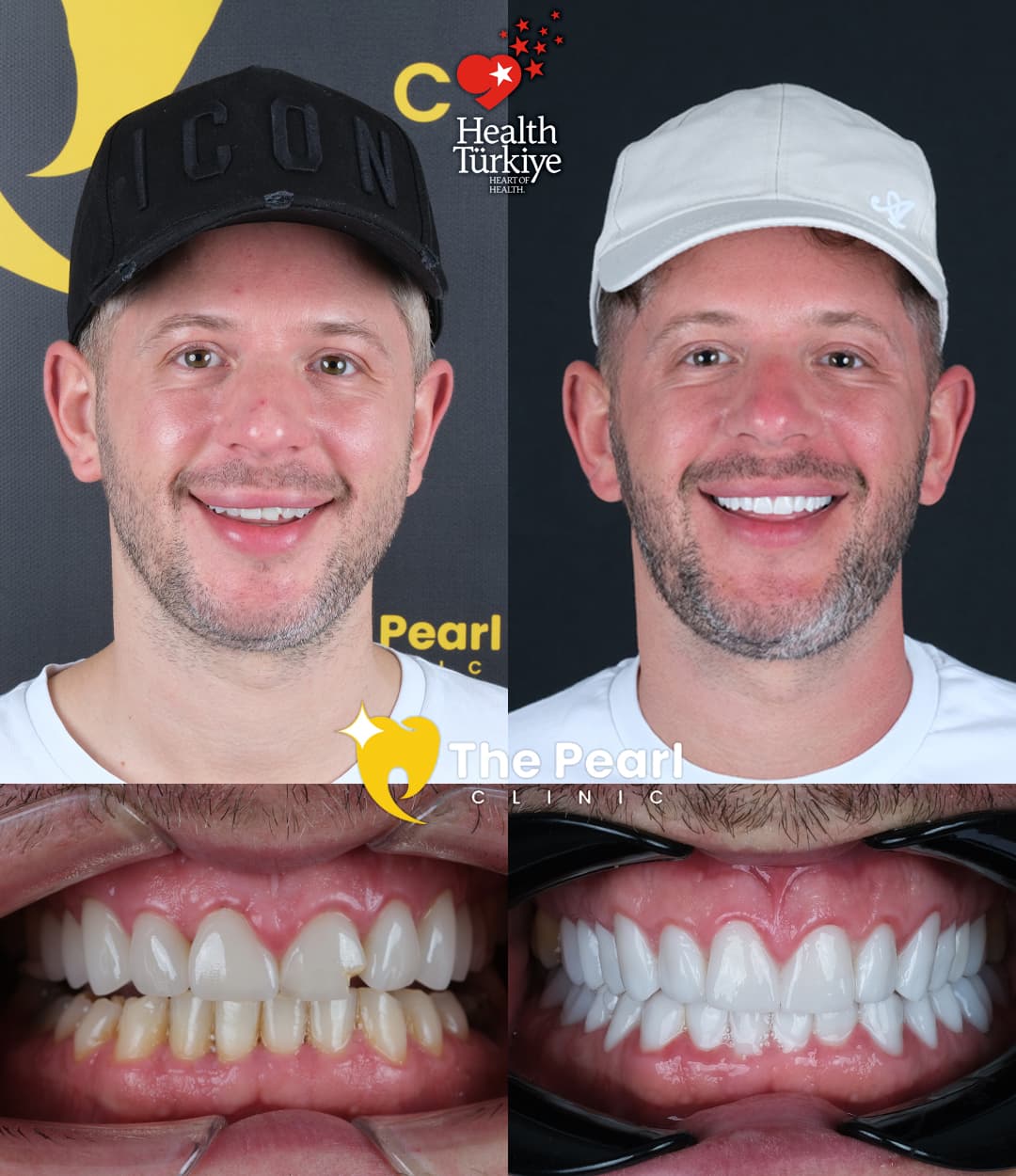
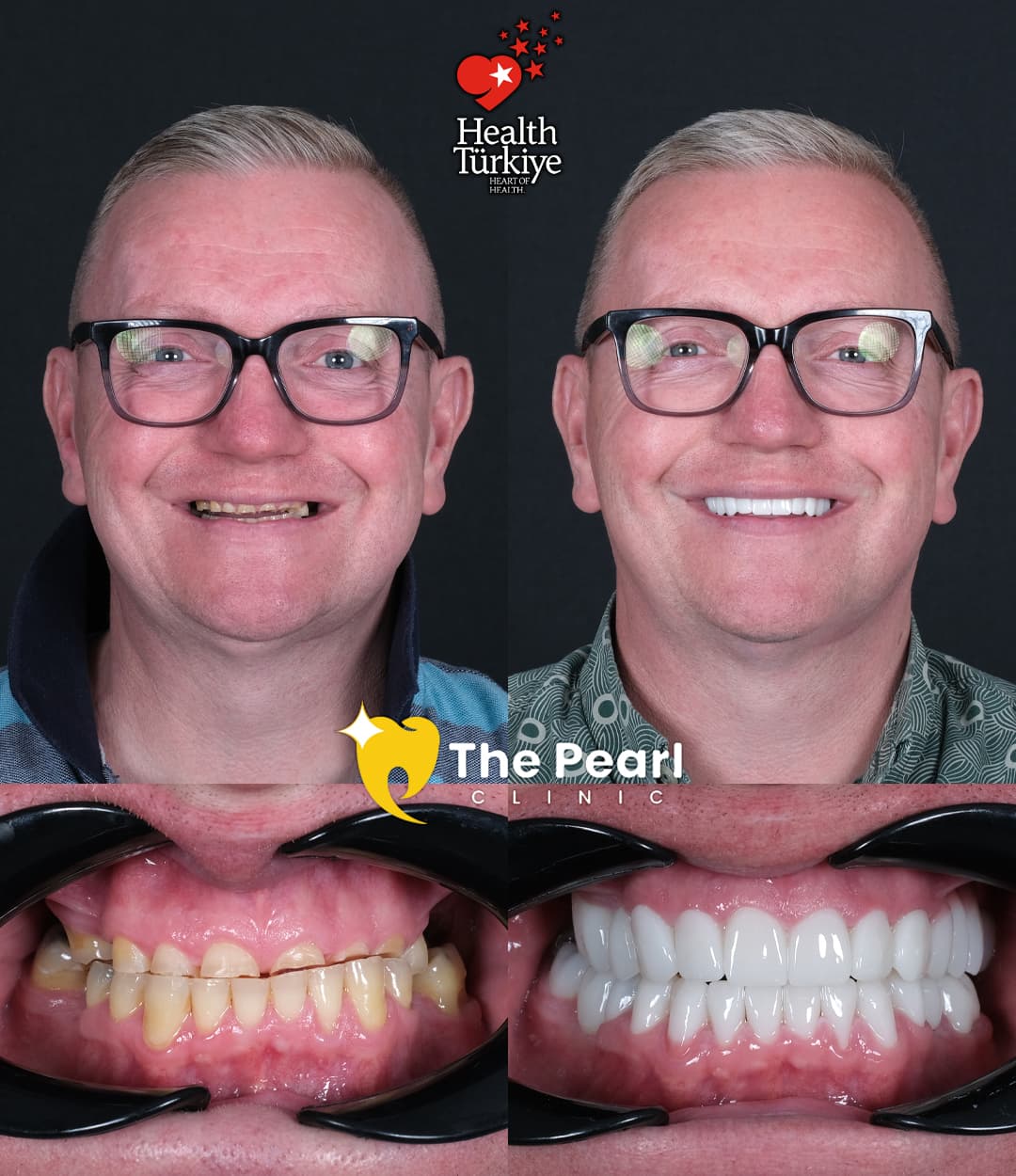
"Amazing Teeth"
"The whole team was friendly, professional and extremely reassuring. I had my teeth done over two years ago and I absolutely love them."
"I Highly Recommend The Pearl Clinic"
"I would definitely recommend The Pearl Clinic Antalya. Communication was excellent and the staff were extremely friendly and professional."
"Fantastic Team"
"Fantastic team. Everyone speaks English and my treatment was completed very quickly. I experienced no pain and the results were excellent."
16. Why Choose The Pearl Clinic Antalya for Laminate Veneers?
Patients from the UK and other European countries choose The Pearl Clinic Antalya for a combination of cosmetic dentistry, digital treatment planning, laboratory technology and international patient support.
- Advanced Digital Smile Design: Detailed planning of tooth proportions, smile symmetry, colour and aesthetics.
- Intraoral Digital Scanning: Digital records can support accurate communication between the clinic and laboratory.
- In-House Dental Laboratory: Clinical and laboratory teams can work directly together throughout the design and finishing stages.
- CAD/CAM Technology: Digital design and manufacturing workflows support customised ceramic restorations.
- Experienced Cosmetic Dentistry Team: Treatment planning is performed by dental professionals based on individual clinical requirements.
- International Patient Support: Assistance with treatment planning, transfers, accommodation and appointment coordination.
- Antalya Dental Holiday Experience: Patients can combine their cosmetic dental treatment with a stay in one of Türkiye's leading Mediterranean destinations.

Meet Our Dental Team in the UK
If you are considering laminate veneers in Türkiye but want to speak with the dental team before travelling, you can attend one of our Dental Meet-Up consultation events in the UK.
Book Your UK Consultation17. Frequently Asked Questions About Laminate Veneers
What are laminate veneers?
Do laminate veneers require shaving the teeth?
Are laminate veneers better than zirconia crowns?
Which teeth can have laminate veneers?
Can veneers fix crooked teeth?
Can laminate veneers close gaps between teeth?
How long does laminate veneer treatment take in Antalya?
Are temporary veneers provided?
Can I choose the colour of my veneers?
Does The Pearl Clinic Antalya have its own dental laboratory?
Can I send photos before travelling to Antalya?
Can laminate veneers look natural?
Are laminate veneers permanent?
Can I eat normally after getting laminate veneers?
Are laminate veneers suitable for everyone?
How can I get a laminate veneer treatment plan from The Pearl Clinic Antalya?
Ready to plan your Laminate Veneer?
Request a personalized treatment plan or contact our patient coordinators on WhatsApp.
Similar Treatments
Page Last Updated: 19.10.2026 — Corporate Communications (info@thepearlclinicantalya.com)
Looking for a reliable and satisfied treatment?
Contact Us & Learn More About Our Treatments