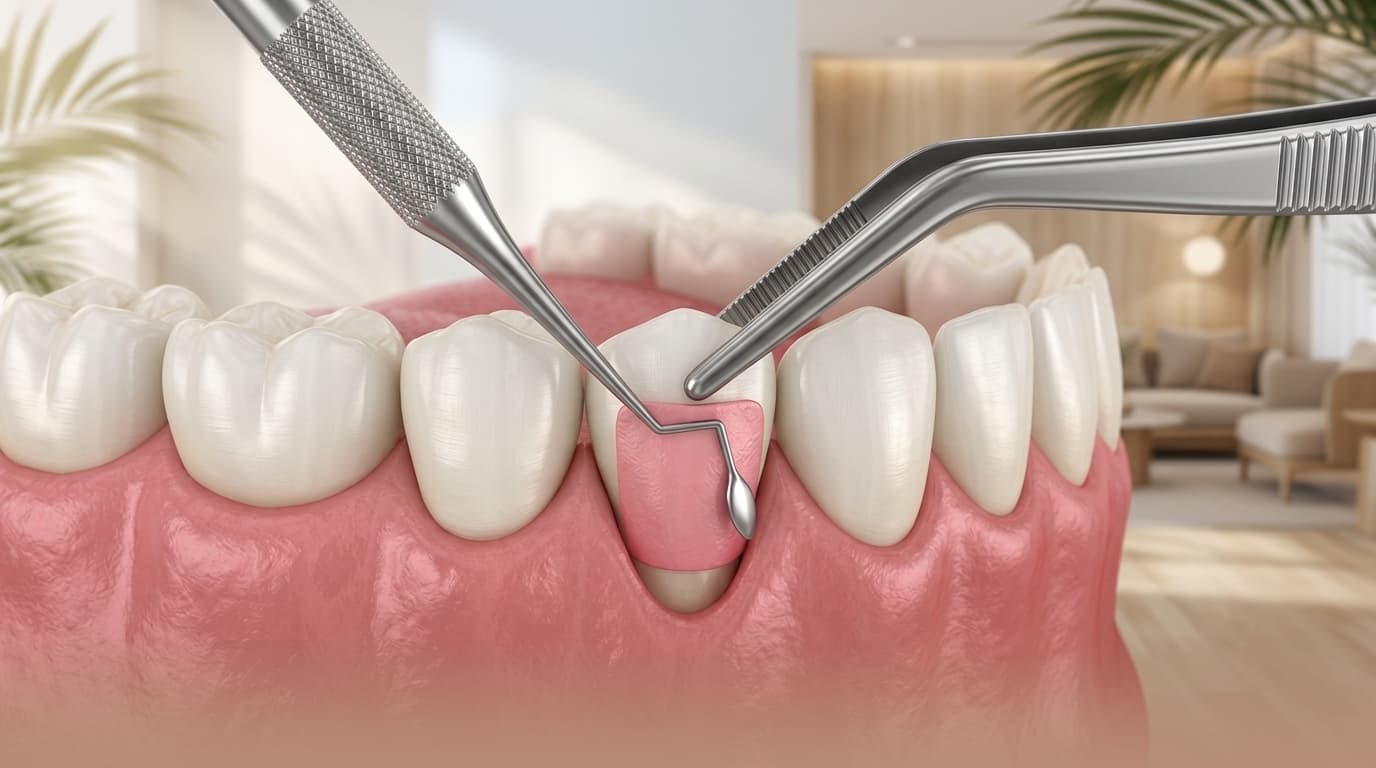
Why Regular Dental Check-Ups Matter: How Often and Why
Why Regular Dental Check-Ups Matter: How Often to Go and What to Expect
Many dental problems grow silently until they hurt — and by then treatment is bigger and more expensive. Here's what happens at a check-up, how often you really need one, how your mouth affects your overall health and how to look after dental work done abroad.

A beautiful smile is a reflection of your overall health — yet many people only see a dentist when something hurts. The problem is that tooth decay, gum disease and wear from grinding often cause no symptoms in their early stages. Regular check-ups catch these problems while they're still small, simple and affordable to treat. Here's everything you need to know.
1. Why Regular Check-Ups Matter

| Problem | If Caught Early | If Left Until It Hurts |
|---|---|---|
| Tooth decay | A small filling | Root canal treatment, a crown or extraction |
| Gum inflammation | A professional clean and better home care | Gum disease, bone loss and loose teeth |
| Wear from grinding | A night guard | Crowns or a full bite reconstruction |
| Cracked filling | A simple replacement | A broken tooth or infection |
2. What Happens at a Dental Check-Up?
Medical history and questions
Your dentist asks about your health, medicines and any concerns, as these can affect your mouth.
Examination of teeth and gums
Each tooth is checked for decay, cracks and wear, and your gums are checked for inflammation and pockets.
Soft tissue and oral cancer check
Your tongue, cheeks, lips and throat are examined for any unusual changes.
X-rays when needed
X-rays reveal decay between teeth, bone levels and problems under fillings that can't be seen by eye.
Advice and a plan
You leave with personalised advice and, if needed, a treatment plan — plus the date of your next visit.
Overdue a Check-Up?
Send us a few photos of your teeth on WhatsApp. We'll give you honest first thoughts and let you know if anything needs attention.
3. How Often Should You Have a Check-Up?
There's no single interval that suits everyone. In the UK, clinical guidance recommends that your dentist sets your recall interval based on your individual risk — anywhere from every 3 months to every 2 years for adults. Many people are seen every 6 to 12 months.
| Your Situation | Typical Check-Up Interval |
|---|---|
| Healthy teeth and gums, low risk | Every 12 months, sometimes longer |
| Average risk | Every 6–12 months |
| History of gum disease or frequent decay | Every 3–6 months |
| Implants, crowns, bridges or All-on-4/6 | As advised — often every 6 months |
| Smokers or people with diabetes | Often more frequent |
4. Professional Cleaning: Fresher Breath, Healthier Gums
Plaque that isn't removed hardens into tartar, which can't be brushed away. Tartar irritates the gums, traps bacteria and contributes to bad breath and gum disease. A professional clean removes tartar above and just below the gumline and polishes away surface stains — leaving your mouth feeling fresher and your teeth looking brighter.
Between visits, keep up good habits: brush twice a day with fluoride toothpaste and clean between your teeth daily. Our flossing guide and 10 tips for the perfect smile show you how.
5. Your Mouth and Your Overall Health

Your oral health and general health are closely connected. Research has found associations between gum disease and several conditions:
| Condition | What Research Suggests |
|---|---|
| Diabetes | A two-way link: diabetes raises gum disease risk, and gum disease can make blood sugar harder to control |
| Heart and circulatory disease | Gum disease has been associated with a higher risk, although cause and effect are still being studied |
| Pregnancy | Hormonal changes can make gums more sensitive; gum disease has been linked with pregnancy complications |
Keeping your gums healthy is good for your mouth — and may support your wider health. Read our gum disease guide to learn more.
6. Check-Ups After Implants, Crowns and Veneers
Dental work doesn't decay, but the gums and tooth structure around it still need care. Regular check-ups are essential for the long-term success of your treatment:
- Implants — gums and bone around implants are checked for inflammation (peri-implantitis)
- Crowns and veneers — edges are checked for gaps, wear or new decay at the margins
- All-on-4 / All-on-6 — bridges may be professionally cleaned underneath, and the bite checked
- Night guards — checked for fit and wear if you grind your teeth
Our implant aftercare guide explains how to care for implants between visits. Regular check-ups are also part of our lifetime implant warranty terms.
Had Treatment With Us?
Message our team any time with questions about your implants, crowns or veneers. We stay in touch after you fly home.
7. Signs You Shouldn't Wait for Your Next Check-Up
On holiday in Antalya with a dental problem? See our guide to toothache and dental emergencies in Antalya.
8. Check-Ups and Dental Treatment in Antalya

Every treatment journey at our clinic starts with a thorough examination, X-rays and 3D scans where needed — so you receive a complete picture of your oral health, not just a quote. And your care doesn't end when you leave:
- Plan before you arrive — send photos on WhatsApp for a free initial evaluation
- Full examination in Antalya — your plan is confirmed in person before any treatment
- Follow-up after you return — our team stays in touch and reviews any concerns
- Keep your local dentist — regular check-ups at home work hand in hand with the treatment you receive with us
Combining treatment with a holiday? Read our guide to dental treatment in Antalya and see our partner hotels.
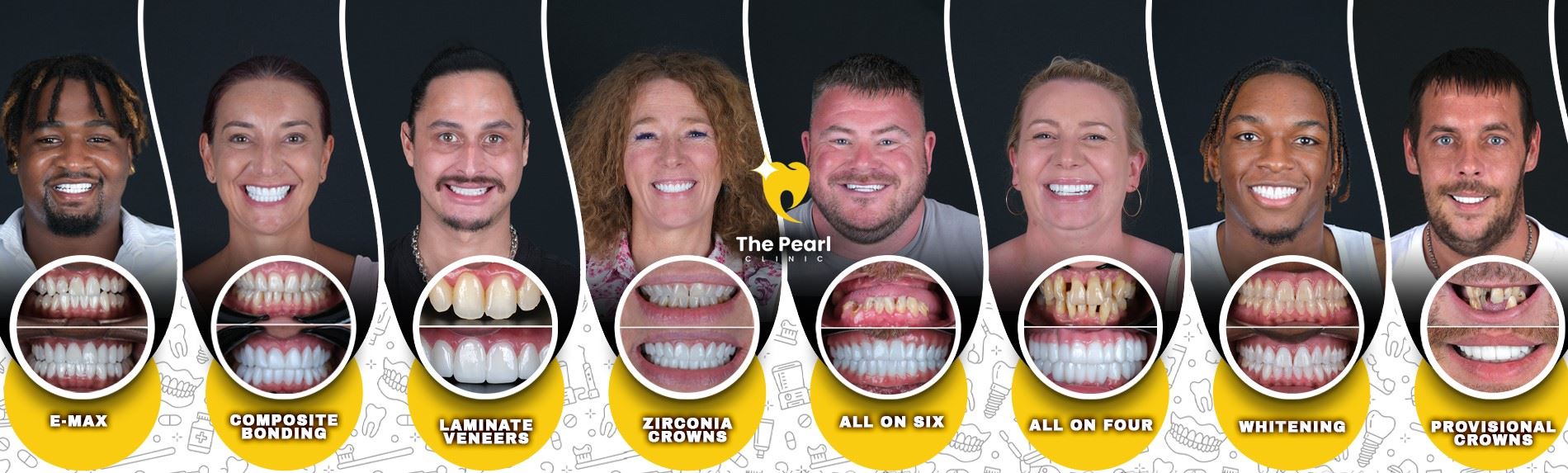
Healthy Smiles From Our Patients
View All Cases →


Meet Our Dental Team
About Us →
Clinic Owner
Dt. Osman Cengiz
Dentist
Dt. İrem Nur Kılınç
Dentist
Dt. Sevilay Özge Yağcı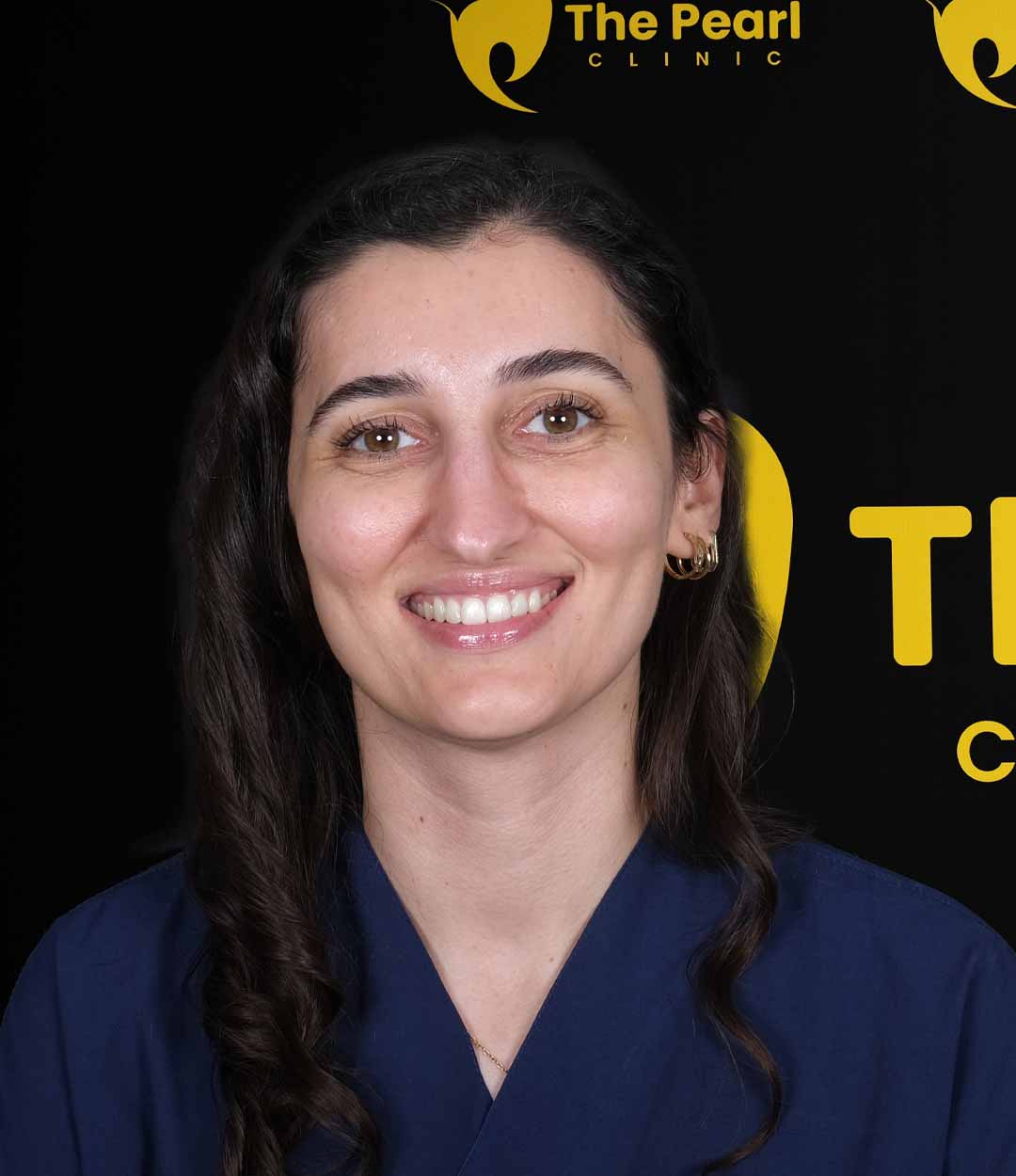
Dental Surgeon
Dt. Tuğba Taş Mammadov
Dentist
Dt. Seda Gür
General Manager
Ebru KırcalıoğluA Trusted Choice for UK Patients
Real Patient Journeys
More on YouTube →See how UK patients restored healthy, confident smiles at The Pearl Clinic Antalya.

Hollywood Smile Makeover
From the UK to Antalya
Shaun's 20-Crown Experience
OM3 Hollywood Smile
Natural-Looking Zirconia
Smile Makeover in Turkey
The Ultimate Transformation
Before & After
Real UK Patient Review
Zirconia Smile Makeover
This Smile Has the Force!
Zirconia Teeth in TurkeyHover to preview · Click to watch with sound

Meet Our Team in the UK
Join a face-to-face dental meet-up in selected UK cities to ask questions about your oral health and any treatment you're considering.
Book Your UK Appointment9. Frequently Asked Questions (FAQ)
How often should I have a dental check-up?
It depends on your individual risk. UK guidance suggests your dentist sets an interval between 3 months and 2 years for adults; many people are seen every 6 to 12 months.
Do I need a check-up if nothing hurts?
Yes. Decay, gum disease and wear from grinding often cause no pain in the early stages. Check-ups catch these problems while treatment is simpler and cheaper.
What happens during a dental check-up?
Your dentist reviews your medical history, examines your teeth, gums and soft tissues, may take X-rays and gives you personalised advice and, if needed, a treatment plan.
How long does a dental check-up take?
A routine check-up usually takes around 15–30 minutes, longer if X-rays or a professional clean are included.
Do I need X-rays at every check-up?
Not always. Your dentist decides how often X-rays are needed based on your risk of decay and gum disease.
How often should I have a professional teeth cleaning?
Your dentist or hygienist will advise, but many people benefit from a professional clean once or twice a year, and more often if they have gum disease.
Is gum disease linked to other health problems?
Research has found associations between gum disease and conditions such as diabetes, heart disease and pregnancy complications. The link with diabetes is two-way.
Do I need check-ups after dental implants?
Yes. Implants need regular check-ups to monitor the gums and bone around them. Regular check-ups are also part of our lifetime implant warranty terms.
Can a check-up detect mouth cancer?
Dentists examine the soft tissues of your mouth for unusual changes at check-ups. A mouth ulcer that hasn't healed within three weeks should always be checked.
What are signs I should see a dentist before my next check-up?
Toothache, bleeding or swollen gums, a loose tooth, persistent bad breath, a broken filling or crown, swelling or a non-healing ulcer are all reasons to book sooner.
Can I have a check-up while on holiday in Antalya?
Yes. If you're visiting Antalya, we can examine your teeth and advise you. For ongoing care, regular check-ups with a local dentist at home remain important.
Do you follow up with patients after they return to the UK?
Yes. Our team stays in touch on WhatsApp after treatment and is happy to answer questions about your implants, crowns or veneers.
How do I start?
Send us a few photos of your teeth on WhatsApp for a free initial evaluation. We'll let you know if anything needs attention and how we can help.
Prevention Is the Best Dentistry
Don't wait for pain. Send us photos of your teeth today for a free initial evaluation and find out what your smile needs to stay healthy for years to come.
Start My Free ConsultationThe Pearl Clinic Antalya — Zümrütova Mah., Yalı Cad., M. Ali Ektirir Sitesi No:17/A, 07230 Muratpaşa / Antalya | About Us | Contact Us
info@thepearlclinicantalya.com | +44 20 4652 4100 | Instagram | Facebook | YouTube | TikTok
This article is for general information and does not replace a professional dental examination.