Calcium and Baby Teeth: A Guide for Parents
Calcium and Baby Teeth: What Parents Really Need to Know
Calcium plays an important role in building strong teeth — but it isn't the whole story. Here's when baby teeth form, what calcium and vitamin D actually do, the best foods for little ones, the real causes of early tooth decay and how to care for baby teeth from the very first one.

Every parent wants their child's teeth to grow strong and healthy. Calcium is often called the "hidden hero" of baby teeth — and it does matter. But strong teeth depend on a team: calcium, vitamin D and phosphorus to build them, and fluoride, low sugar and good brushing to protect them. Here's a clear, evidence-based guide for parents.
1. When Do Baby Teeth Form?

Baby teeth start developing long before they appear. That's why nutrition during pregnancy matters too.
| Stage | What Happens |
|---|---|
| Early pregnancy | Tooth buds for baby teeth begin to form |
| Mid-pregnancy | Baby teeth start to harden (mineralise) |
| Birth | Baby teeth are already well formed inside the gums; permanent teeth are beginning |
| Around 6 months | The first tooth usually appears — though anywhere from a few months to a year is normal |
| Around 2½–3 years | All 20 baby teeth have usually come through |
2. What Calcium Does — and What It Doesn't

| Calcium Helps… | But Calcium Alone Doesn't… |
|---|---|
| Build developing teeth and jawbones as part of a balanced diet | Prevent tooth decay — sugar control, fluoride and brushing matter far more |
| Support healthy bones as children grow | "Strengthen" enamel much once a tooth has come through |
| Work together with vitamin D and phosphorus | Work well without enough vitamin D to absorb it |
3. Calcium and Vitamin D During Pregnancy
Because baby teeth begin forming during pregnancy, a balanced diet with calcium-rich foods supports healthy development. In the UK, the NHS advises pregnant women to take a daily vitamin D supplement. Always follow your midwife's or GP's advice on supplements during pregnancy.
Pregnancy can also make gums more sensitive, so it's a good time for mums-to-be to keep up their own dental check-ups — see our gum health guide.
4. Milk and Vitamin D in the First Year
- Breast milk or first infant formula is the main drink for the first year and provides the calcium babies need
- Cow's milk can be used in cooking from around 6 months, but shouldn't be given as a main drink until 12 months
- Vitamin D: the NHS recommends a daily vitamin D supplement for breastfed babies from birth; formula-fed babies may not need one if they drink enough formula — ask your health visitor or pharmacist
- Supplements: don't give calcium supplements unless a doctor recommends them
Looking After Your Own Smile Too?
Busy parents often put their own teeth last. Send us a photo and we'll give you honest, free advice on your options.
5. Calcium-Rich Foods for Babies and Toddlers

Once your baby starts solid foods at around 6 months, you can include:
| Food | Tips for Little Ones |
|---|---|
| Plain full-fat yoghurt | Choose unsweetened — flavoured versions often contain added sugar |
| Cheese | Pasteurised, grated or cut into safe pieces to avoid choking |
| Broccoli and leafy greens | Steamed until soft; kale and broccoli are good sources |
| Tofu and pulses | Calcium-set tofu, lentils and beans, mashed or soft |
| Oily fish | Salmon or sardines, carefully checked for bones and mashed |
| Fortified foods | Some cereals and plant-based alternatives are fortified — check for added sugar |
6. What If a Child Doesn't Get Enough?
Serious calcium or vitamin D deficiency is uncommon in children eating a varied diet, but it can happen — for example with very restricted diets or very little sun exposure. Severe vitamin D deficiency can cause rickets, which affects bones and can also affect tooth development.
7. The Biggest Threat to Baby Teeth: Sugar
Most tooth decay in young children is caused by sugar — especially sugar that stays on the teeth for a long time. Baby teeth have thinner enamel, so decay can spread quickly.
| Habit | Why It's Risky | Better Choice |
|---|---|---|
| Bottle of milk or juice at bedtime | Sugar stays on teeth all night | Milk before brushing; water only after |
| Juice or squash in a bottle | Constant sugar and acid | Water or milk in an open or free-flow cup |
| Sweetened yoghurts and snacks | Hidden sugars | Plain yoghurt, fruit with meals |
| Grazing all day | Teeth never get a break | Regular meals and planned snacks |
Read more in our guide to preventing tooth decay and the best foods for healthy teeth.
8. Caring for Baby Teeth From the First Tooth
| Age | Toothpaste (UK guidance) |
|---|---|
| From the first tooth to 3 years | A smear of fluoride toothpaste containing at least 1,000ppm fluoride |
| 3 to 6 years | A pea-sized amount of toothpaste containing 1,000–1,500ppm fluoride |
- Brush twice a day, including last thing at night
- Encourage your child to spit, not rinse, after brushing
- Help or supervise brushing until around age 7
- Take your child to the dentist when their first teeth appear, and regularly after that
- Teething discomfort is common — ask your pharmacist or health visitor for advice
A Healthy Smile Starts at Home
Questions about your own dental health or treatment in Antalya? Message our team — we're happy to help.
9. Healthy Smiles for the Whole Family
Children learn habits from the adults around them. Brushing together, choosing water over sugary drinks and keeping up your own regular check-ups all help your child build a healthy routine. And if you've been putting off your own treatment, our team in Antalya can help you plan it — see our 10 tips for the perfect smile.
Healthy Smiles From Our Patients
View All Cases →

Meet Our Dental Team
About Us →
Clinic Owner
Dt. Osman Cengiz
Dentist
Dt. İrem Nur Kılınç
Dentist
Dt. Sevilay Özge Yağcı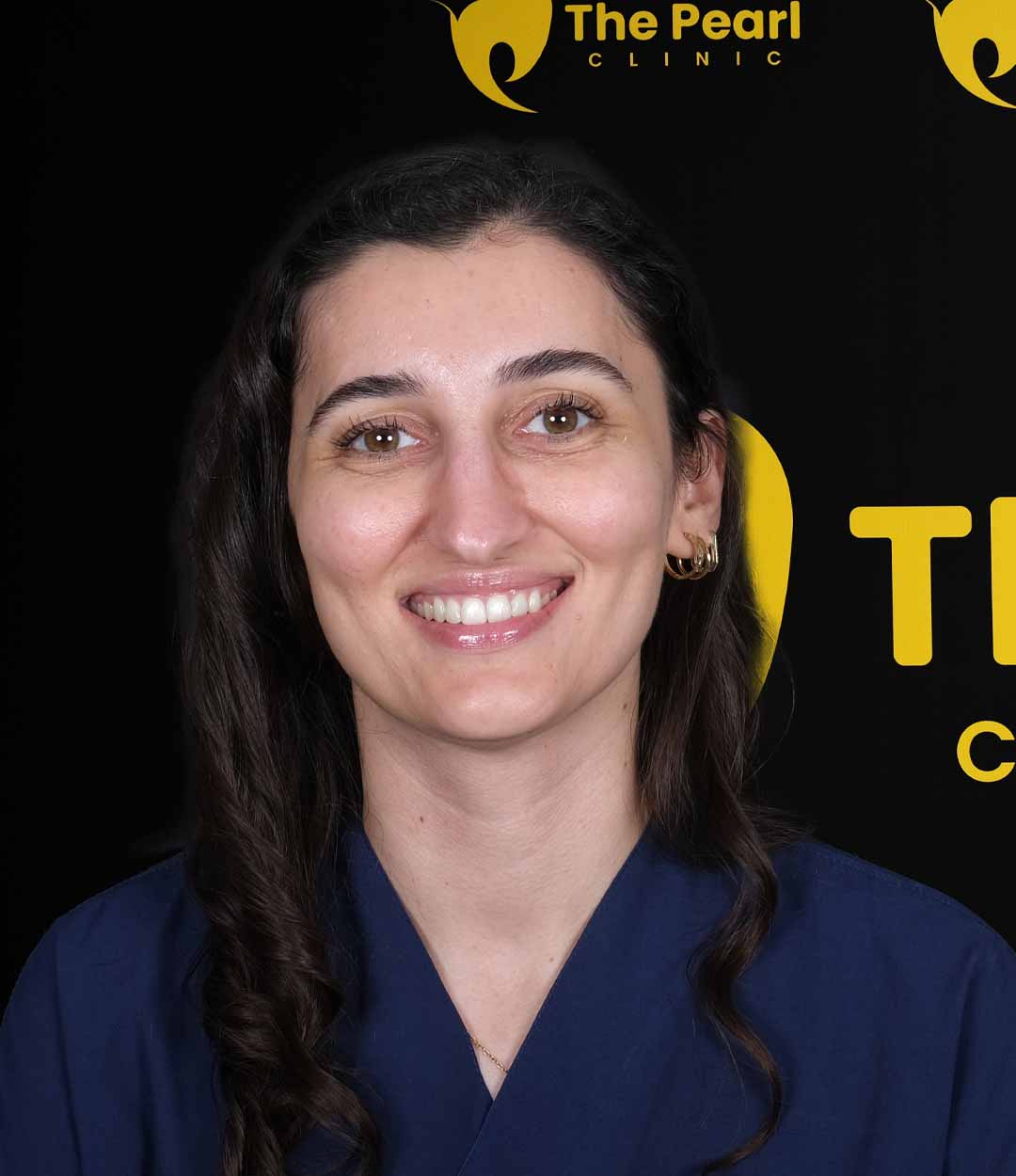
Dental Surgeon
Dt. Tuğba Taş Mammadov
Dentist
Dt. Seda Gür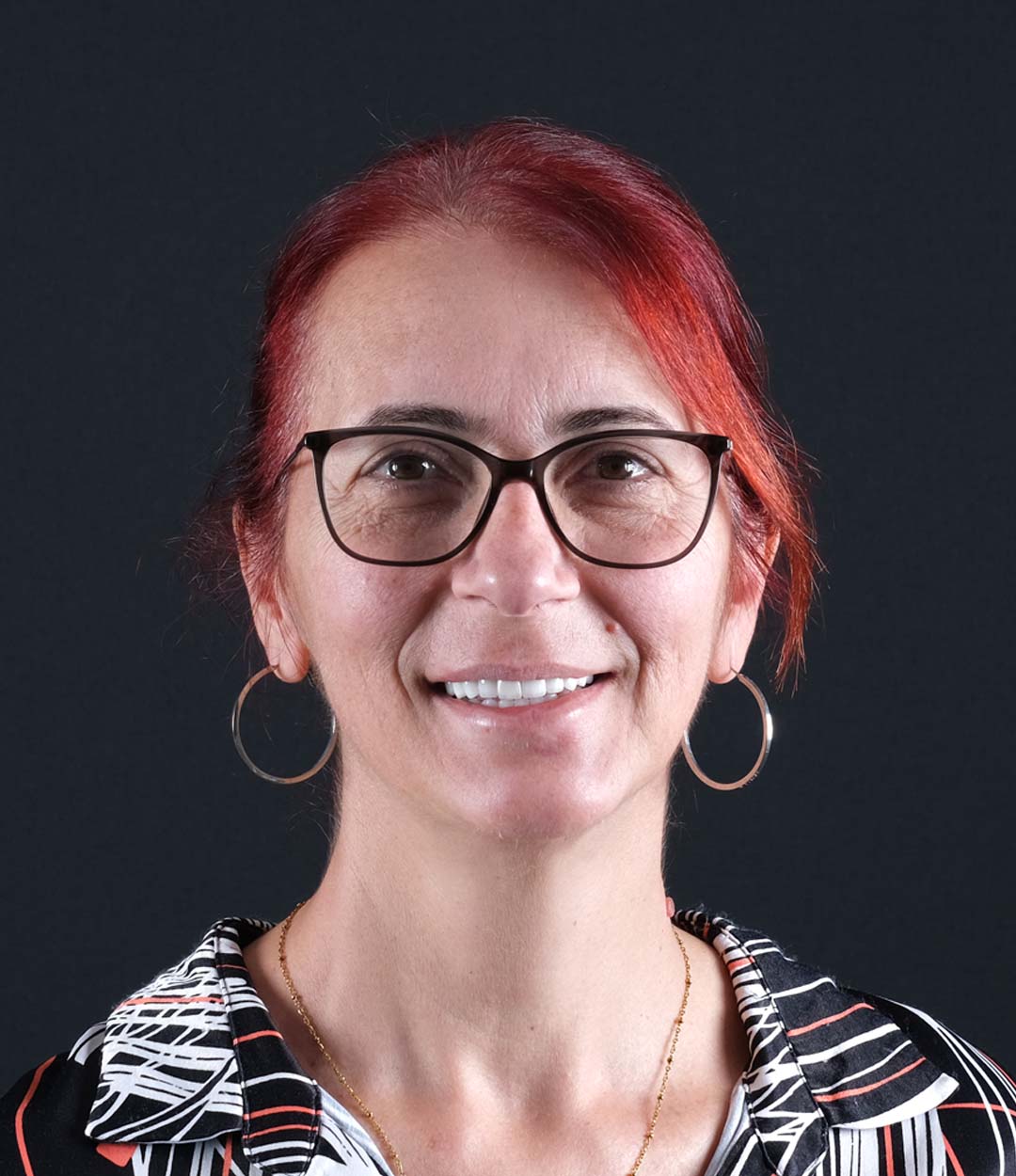
General Manager
Ebru KırcalıoğluA Trusted Choice for UK Patients
Real Patient Journeys
More on YouTube →See how UK patients restored healthy, confident smiles at The Pearl Clinic Antalya.

Hollywood Smile Makeover
From the UK to Antalya
Shaun's 20-Crown Experience
OM3 Hollywood Smile
Natural-Looking Zirconia
Smile Makeover in Turkey
The Ultimate Transformation
Before & After
Real UK Patient Review
Zirconia Smile Makeover
This Smile Has the Force!
Zirconia Teeth in TurkeyHover to preview · Click to watch with sound

Meet Our Team in the UK
Join a face-to-face dental meet-up in selected UK cities to ask questions about your oral health and any treatment you're considering.
Book Your UK Appointment10. Frequently Asked Questions (FAQ)
Why is calcium important for baby teeth?
Calcium, together with vitamin D and phosphorus, helps build developing teeth and jawbones. A balanced diet during pregnancy and early childhood supports healthy tooth development.
Is calcium alone enough for healthy teeth?
No. Calcium works with vitamin D and phosphorus to build teeth, while fluoride toothpaste, limiting sugar and brushing twice a day are what protect teeth from decay.
When do baby teeth start to form?
Baby teeth start forming in early pregnancy and begin to harden by mid-pregnancy. The first tooth usually appears around 6 months, and all 20 are usually through by about 2½–3 years.
Can calcium deficiency cause cavities?
Cavities in young children are mainly caused by sugar and plaque bacteria, not by low calcium. Serious deficiencies can affect tooth development, but they're uncommon in children eating a varied diet.
Should I give my baby calcium supplements?
Not unless a doctor recommends them. Breast milk or infant formula provides the calcium a baby needs in the first year, followed by a varied diet.
Does my baby need vitamin D?
In the UK, the NHS recommends a daily vitamin D supplement for breastfed babies from birth. Formula-fed babies may not need one if they drink enough formula. Ask your health visitor or pharmacist.
When can my baby have cow's milk?
Cow's milk can be used in cooking from around 6 months, but shouldn't be given as a main drink until 12 months.
What are good calcium-rich foods for babies?
Once your baby starts solids, try plain full-fat yoghurt, pasteurised cheese in safe pieces, soft broccoli and greens, calcium-set tofu, pulses and carefully deboned oily fish.
Does a mother's diet during pregnancy affect her baby's teeth?
Yes. Baby teeth develop during pregnancy, so a balanced diet supports healthy development. Follow your midwife's or GP's advice on supplements such as vitamin D.
What is the biggest cause of tooth decay in toddlers?
Frequent sugar, especially sugary drinks in bottles and milk or juice at bedtime after brushing. Water is the best drink between meals.
How much toothpaste should I use for my baby?
In the UK, under-3s should use a smear of fluoride toothpaste with at least 1,000ppm fluoride, and 3–6-year-olds a pea-sized amount with 1,000–1,500ppm.
When should my child first see a dentist?
Take your child to the dentist when their first teeth appear, then keep up regular check-ups as advised.
Is late teething a sign of calcium deficiency?
Usually not. Teeth can appear anywhere from a few months to around a year and still be normal. Speak to your GP if you notice other signs such as bowed legs, bone pain or slow growth.
Strong Smiles Start Early
Good nutrition, low sugar, fluoride toothpaste and regular dental visits give children the best start. And if you'd like advice on your own smile, send us your photos for a free consultation.
Start My Free ConsultationThe Pearl Clinic Antalya — There's always a reason to smile | About Us | Contact Us
info@thepearlclinicantalya.com | +44 20 4652 4100 | Instagram | Facebook | YouTube | TikTok
This article is for general information only. For advice about your baby's diet, supplements or development, speak to your GP, health visitor, midwife or pharmacist.