Best Foods for Healthy Teeth: What to Eat and What to Avoid
Best Foods for Healthy Teeth: A Dentist's Guide to Eating for a Stronger Smile
What you eat — and how often — has a real impact on your teeth and gums. Here are the most tooth-friendly foods, the ones to limit, the nutrients that matter and what to eat after dental treatment, plus a guide to enjoying Turkish food during your stay in Antalya.

A beautiful smile isn't only about brushing and flossing. What you eat and drink feeds both your body and the bacteria in your mouth. Some foods help protect enamel and support healthy gums, while others fuel the acid attacks that cause decay and erosion. The good news: small, realistic changes make a big difference.
1. How Diet Affects Your Teeth
Every time you eat or drink something sugary, bacteria in plaque produce acid that weakens enamel for around an hour. Acidic food and drinks soften enamel directly. Saliva, minerals and fluoride help repair it — so a tooth-friendly diet is about supporting that repair and reducing how often your teeth are under attack.
2. Key Nutrients for Teeth and Gums
| Nutrient | Why It Matters | Good Sources |
|---|---|---|
| Calcium | Helps keep teeth and jawbone strong | Milk, cheese, yoghurt, fortified alternatives, kale, broccoli, tinned fish with bones |
| Phosphorus | Works with calcium to support enamel | Dairy, fish, eggs, meat, nuts, beans |
| Vitamin D | Helps the body absorb calcium | Sunlight, oily fish, eggs, fortified foods |
| Vitamin C | Supports healthy gum tissue and healing | Peppers, broccoli, kiwi, berries, citrus (with meals) |
| Fibre | Chewing fibrous foods stimulates saliva | Vegetables, whole fruit, wholegrains, beans |
| Fluoride | Strengthens enamel against acid | Fluoride toothpaste, fluoridated water |
3. The Best Foods for Healthy Teeth

Dairy: milk, cheese and plain yoghurt
Rich in calcium and phosphorus. Cheese is especially helpful at the end of a meal: it stimulates saliva and helps neutralise acid. Choose plain, unsweetened yoghurt.
Leafy greens and broccoli
Kale, broccoli and other greens provide calcium, folate and vitamin C for healthy gums. Spinach contains calcium too, though less of it is absorbed.
Crunchy vegetables
Carrots, celery and cucumber need lots of chewing, which boosts saliva. They're a great low-sugar snack — but they don't replace brushing.

Whole fruit — ideally with meals
Apples and pears provide fibre and stimulate saliva. They still contain natural sugar and some acid, so whole fruit is better than juice, and best enjoyed with meals.
Oily fish and eggs
Salmon, sardines, mackerel and eggs provide vitamin D and phosphorus, helping your body use calcium.
Nuts and seeds
Almonds, walnuts and hazelnuts are low in sugar and rich in minerals. Choose unsalted, unsweetened nuts — and avoid cracking shells with your teeth.

Water
The best drink for your teeth. It rinses away food, helps keep your mouth moist and, where water is fluoridated, gives extra enamel protection.
Sugar-free gum
Chewing sugar-free gum after meals boosts saliva, which helps neutralise acid. Gum sweetened with xylitol is a good choice.
Worried About Sensitivity or Stains?
Send us a photo of your teeth and tell us about your diet. We'll give you honest, personalised advice — free of charge.
4. Foods and Drinks to Limit

| Food or Drink | Why It's a Problem | Tooth-Friendly Swap |
|---|---|---|
| Fizzy drinks (including diet) | Acid erodes enamel; sugary versions also cause decay | Water or sparkling water with meals |
| Fruit juice and smoothies | High in free sugars and acid | Whole fruit with meals |
| Sticky sweets, toffee, dried fruit | Cling to teeth for longer | Cheese, nuts or vegetables |
| Sweetened tea and coffee | Frequent sugar plus staining | Unsweetened, or less often |
| Crisps and white bread | Starches stick between teeth | Wholegrains and vegetables |
| Ice, hard sweets | Can chip teeth, crowns and veneers | Let ice melt; choose softer snacks |
Coffee and red wine lovers can find tips in our guide to removing coffee stains.
5. When and How You Eat Matters Too
- Keep sugary foods and drinks to mealtimes rather than snacking through the day
- Finish a meal with cheese or a glass of water
- Use a straw for fizzy or acidic drinks
- Wait about an hour after acidic food or drink before brushing
- Avoid eating or drinking anything but water after brushing at night
- Brush twice a day with fluoride toothpaste and clean between your teeth — see our flossing guide
6. Enjoying Turkish Food in Antalya — the Tooth-Friendly Way
Coming to Antalya for treatment? Turkish cuisine has plenty of tooth-friendly options — and a few treats to enjoy in moderation.
| Tooth-Friendly Choices | Enjoy in Moderation |
|---|---|
| Beyaz peynir (white cheese) at breakfast | Baklava and other syrup desserts |
| Ayran (plain yoghurt drink) | Turkish delight (lokum) — very sticky |
| Grilled fish and kebabs with salad | Turkish tea with sugar, sipped all day |
| Vegetable mezes with olive oil | Fresh orange and pomegranate juice |
| Cacık (yoghurt with cucumber) | Turkish coffee — can stain |
Planning Treatment in Antalya?
Send us your photos and goals. We'll send a personalised plan and quote — and tips for enjoying your stay.
7. What to Eat After Dental Treatment
| After… | Good Choices | Avoid |
|---|---|---|
| Implants or extractions | Soft, lukewarm foods: yoghurt, soups, mashed vegetables, eggs, fish | Very hot, spicy, crunchy or chewy foods; drinking through a straw early on; alcohol and smoking |
| Veneers and crowns | Normal diet once the numbness wears off | Biting ice, nuts in shells or very hard foods with front teeth |
| Teeth whitening | Light-coloured foods: chicken, rice, white cheese, yoghurt | Coffee, tea, red wine, curry and dark sauces for around 48 hours |
See our implant aftercare guide and teeth whitening page. And remember: a good diet works best alongside regular check-ups.
Healthy Smiles From Our Patients
View All Cases →

Meet Our Dental Team
About Us →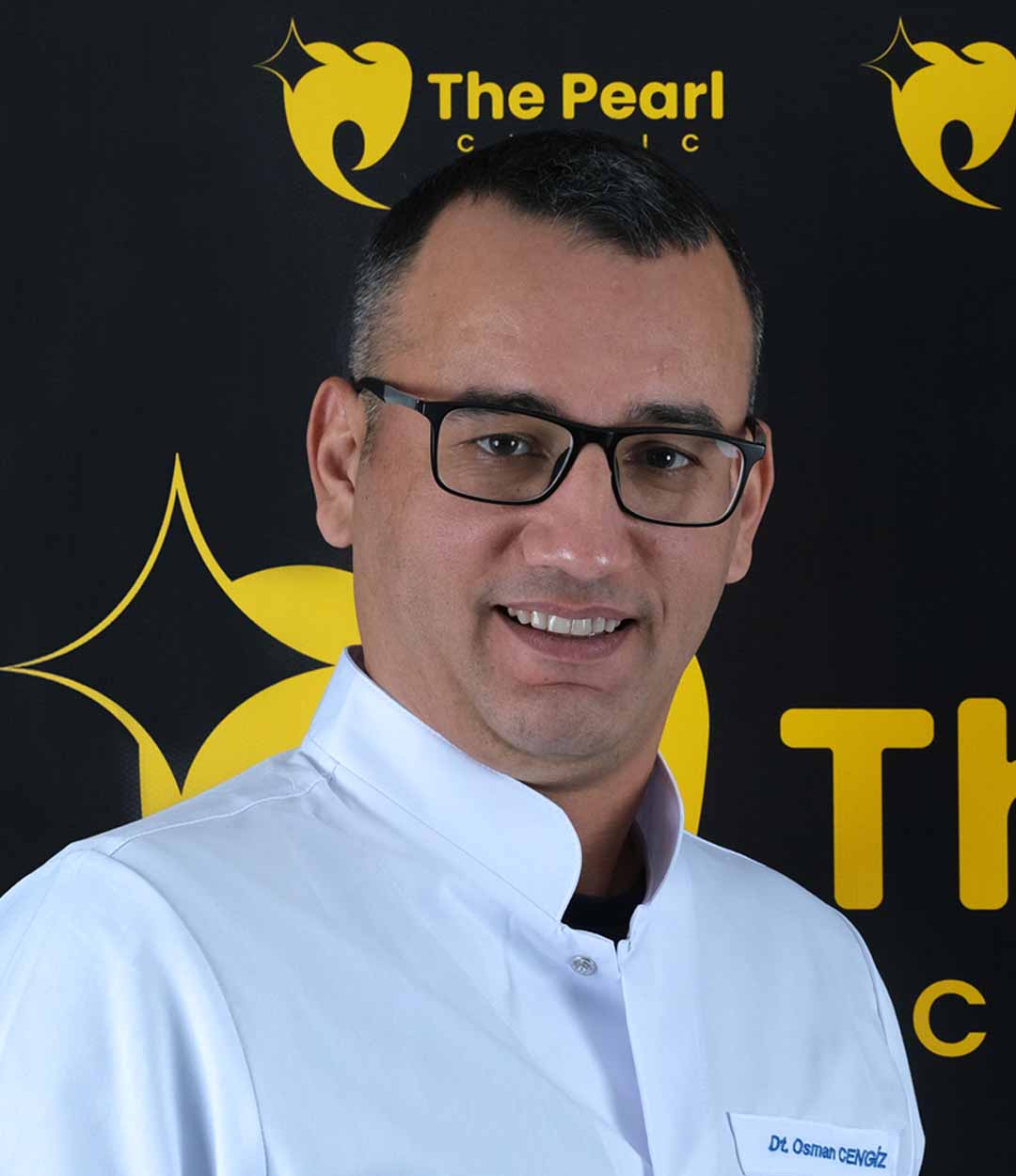
Clinic Owner
Dt. Osman Cengiz
Dentist
Dt. İrem Nur Kılınç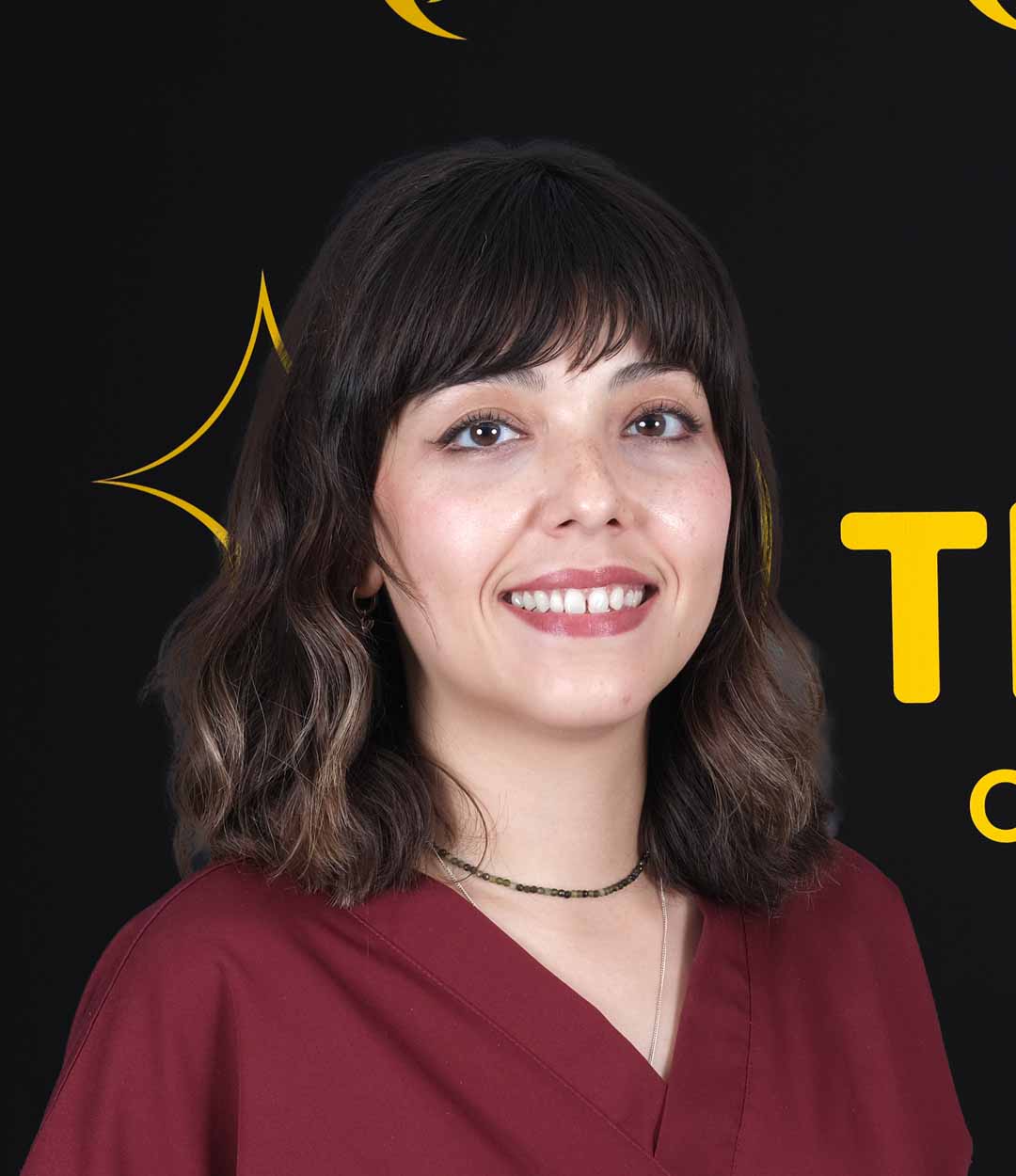
Dentist
Dt. Sevilay Özge Yağcı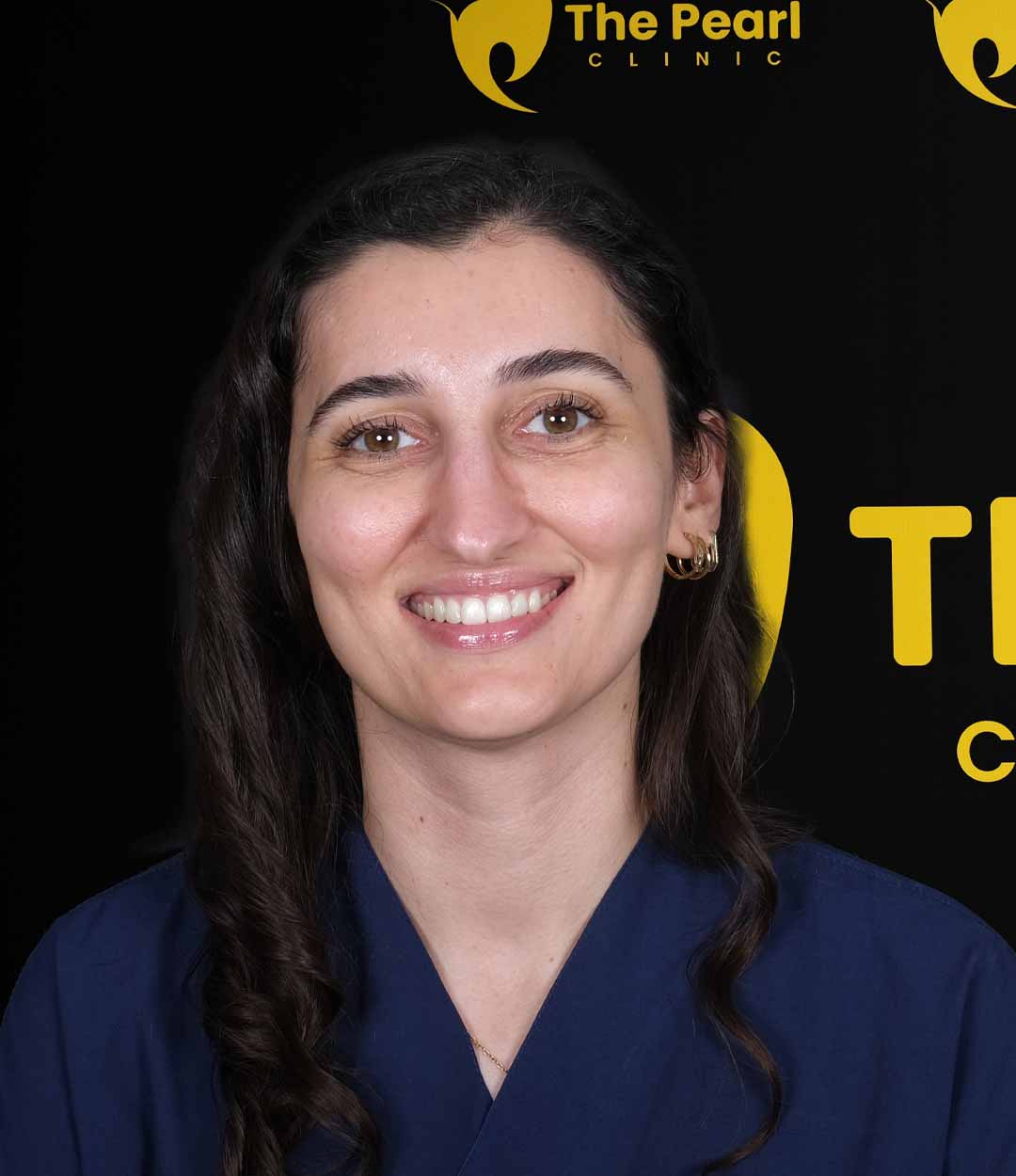
Dental Surgeon
Dt. Tuğba Taş Mammadov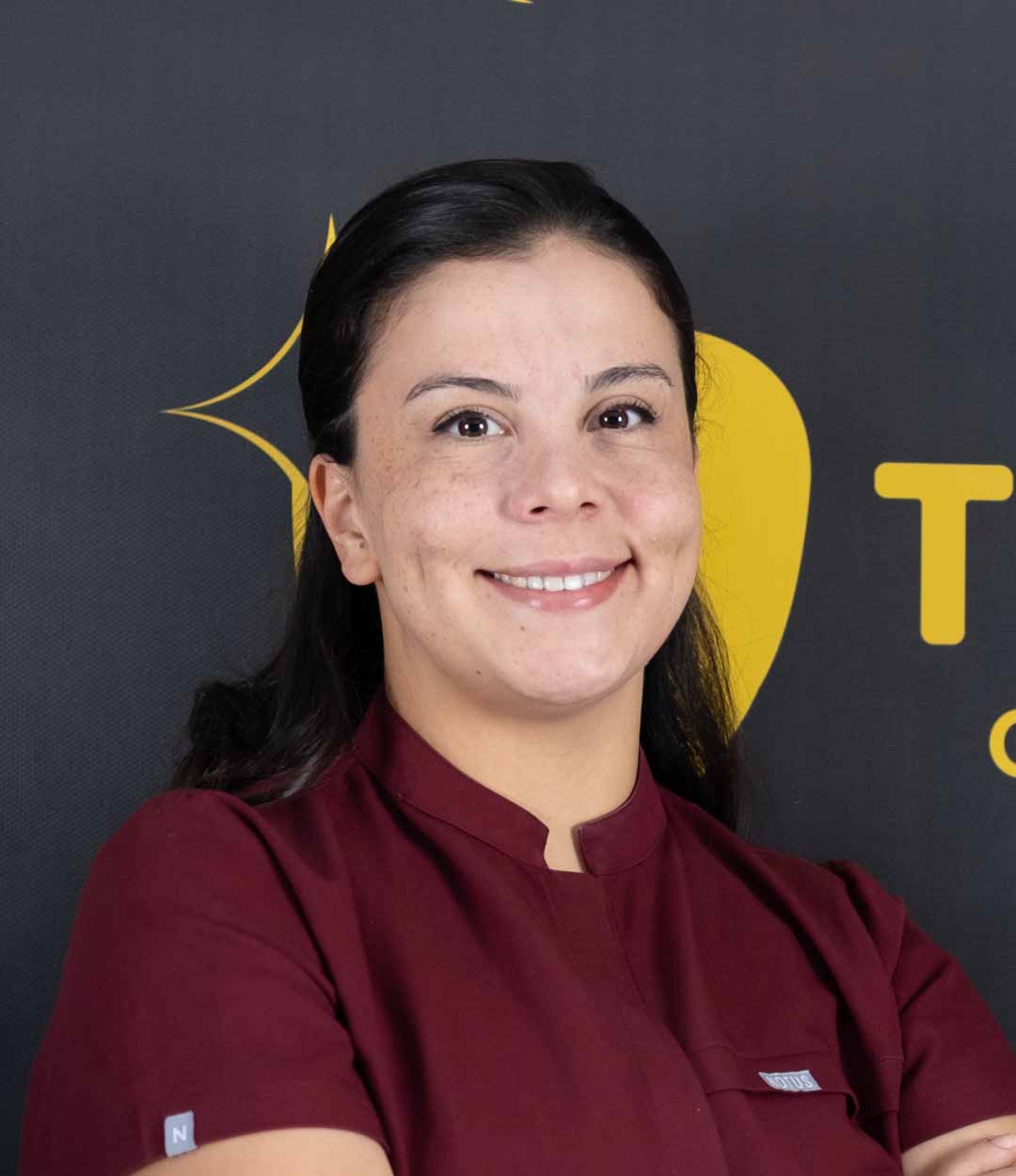
Dentist
Dt. Seda Gür
General Manager
Ebru KırcalıoğluA Trusted Choice for UK Patients
Real Patient Journeys
More on YouTube →See how UK patients restored healthy, confident smiles at The Pearl Clinic Antalya.

Hollywood Smile Makeover
From the UK to Antalya
Shaun's 20-Crown Experience
OM3 Hollywood Smile
Natural-Looking Zirconia
Smile Makeover in Turkey
The Ultimate Transformation
Before & After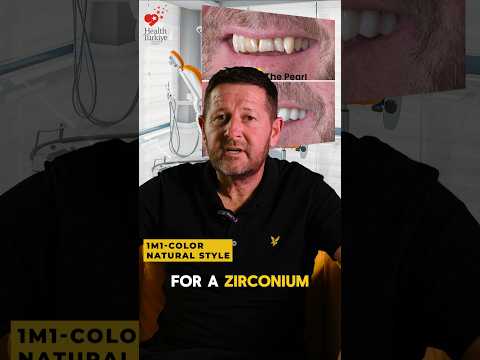
Real UK Patient Review
Zirconia Smile Makeover
This Smile Has the Force!
Zirconia Teeth in TurkeyHover to preview · Click to watch with sound
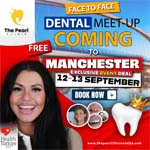
Meet Our Team in the UK
Join a face-to-face dental meet-up in selected UK cities to ask questions about your oral health and any treatment you're considering.
Book Your UK Appointment8. Frequently Asked Questions (FAQ)
What are the best foods for healthy teeth?
Dairy foods such as cheese, milk and plain yoghurt, leafy greens, crunchy vegetables, oily fish, eggs, unsalted nuts and plenty of water all support healthy teeth and gums.
Which vitamins and minerals are best for teeth?
Calcium, phosphorus and vitamin D help keep teeth and bone strong, while vitamin C supports healthy gums. Fluoride from toothpaste strengthens enamel.
Is cheese good for your teeth?
Yes. Cheese is rich in calcium and phosphorus, and eating it at the end of a meal stimulates saliva and helps neutralise acid.
Do apples and carrots clean your teeth?
Crunchy foods stimulate saliva and can help dislodge some food, but they don't remove plaque like brushing does. They're a healthy snack, not a replacement for cleaning.
Which foods are worst for teeth?
Sugary drinks, fruit juice, sticky sweets and dried fruit, sweetened tea and coffee, and starchy snacks that stick between teeth. Frequent snacking is especially harmful.
Are diet fizzy drinks bad for teeth?
Diet drinks don't contain sugar, but they are still acidic and can erode enamel. Water is the best choice; if you have fizzy drinks, keep them to mealtimes.
Can fruit acids damage teeth?
Yes. Frequent acidic fruit and juice can erode enamel. Enjoy whole fruit with meals, rinse with water and wait about an hour before brushing.
Is sugar-free gum good for my teeth?
Yes. Chewing sugar-free gum after meals stimulates saliva, which helps neutralise acid. Gum sweetened with xylitol is a good option.
How much dairy should I eat for healthy teeth?
There's no single amount for everyone, but including some dairy or calcium-fortified alternatives each day as part of a balanced diet helps support teeth and bones.
What should I eat after dental implants or an extraction?
Choose soft, lukewarm foods such as yoghurt, soups, mashed vegetables, eggs and fish. Avoid very hot, spicy, crunchy or chewy foods, alcohol and smoking while you heal.
What should I avoid after teeth whitening?
For around 48 hours, avoid strongly coloured foods and drinks such as coffee, tea, red wine, curry and dark sauces.
Is Turkish food good for teeth?
Many Turkish foods are tooth-friendly, such as white cheese, ayran, grilled fish, vegetable mezes and cacık. Enjoy baklava, lokum and sweetened tea in moderation.
Can diet alone prevent tooth decay?
Diet helps a lot, but it works best combined with brushing twice a day with fluoride toothpaste, cleaning between your teeth and regular dental check-ups.
Healthy Smiles Start on Your Plate
A balanced diet, good daily care and regular check-ups are the foundation of a healthy smile. If you'd like advice or are planning treatment, send us your photos for a free consultation.
Start My Free ConsultationThe Pearl Clinic Antalya — There's always a reason to smile | About Us | Contact Us
info@thepearlclinicantalya.com | +44 20 4652 4100 | Instagram | Facebook | YouTube | TikTok
This article is for general information and does not replace professional dental, medical or dietary advice.