Smoking and Oral Health: What to Know Before Treatment
Smoking and Oral Health: What Smokers Need to Know Before Dental Treatment
Smoking affects far more than the colour of your teeth. It raises the risk of gum disease, slows healing and can affect dental implants. Here's what every smoker should know before treatment — and how stopping, even for a few weeks, can make a real difference.

If you smoke and you're thinking about dental treatment — whether that's implants, crowns, veneers or simply a check-up — it's worth understanding how tobacco affects your mouth. We treat many smokers and former smokers, and we don't judge. But we do believe you deserve honest information, because the choices you make before and after treatment can have a big impact on how well it works and how long it lasts.
1. How Smoking Affects Your Mouth

| Effect | Why It Happens |
|---|---|
| Gum disease | Smoking weakens the immune response and reduces blood flow to the gums |
| Slower healing | Less oxygen and blood supply reach healing tissue |
| Higher implant risk | Bone and gum around implants heal and stay healthy less reliably |
| Stains | Tar and nicotine discolour teeth, fillings and dentures |
| Bad breath and dry mouth | Smoke dries the mouth and leaves odour-causing residue |
| Mouth cancer | Tobacco is one of the main risk factors |
| Reduced taste and smell | Smoking dulls the senses over time |
2. Smoking and Gum Disease

Smokers are significantly more likely to develop gum disease than non-smokers, and it tends to progress faster and respond less well to treatment. Over time, gum disease can destroy the bone that holds teeth in place, leading to loose teeth and tooth loss.
Learn more in our gum disease guide.
3. Smoking and Dental Implants
Yes, smokers can have dental implants — but it's important to understand the risks. Research consistently shows that smoking is associated with a higher rate of implant failure and a greater risk of inflammation around implants (peri-implantitis) over the years.
- Implants need healthy bone and gum to fuse and stay stable
- Smoking reduces the blood supply needed for this healing
- The more you smoke, the higher the risk
- Stopping before and after surgery improves your chances of success
Smoker Thinking About Implants?
Send us your photos, X-rays and smoking history. We'll give you an honest assessment and a plan to give your implants the best chance of success.
4. Healing After Extractions and Surgery
After an extraction, a blood clot forms in the socket to protect the bone while it heals. Smoking — both the chemicals and the sucking action — can disturb this clot and increase the risk of dry socket, a painful condition where the bone is exposed. Smokers also tend to have a higher risk of infection and slower healing after implant placement and bone grafting.
- Avoid smoking for as long as possible after extractions or surgery
- Follow your aftercare instructions carefully
- Contact your dentist if pain increases a few days after an extraction
5. Stains, Bad Breath and Whitening
Tobacco leaves stubborn yellow-brown stains on teeth and can make breath persistently unpleasant. Professional cleaning removes much of the surface staining, and professional whitening can lighten natural teeth — but results fade more quickly if you continue to smoke.
Ceramic restorations such as zirconia crowns and E-max veneers resist staining much better than natural enamel or composite, although the gums and edges can still be affected by smoking.
6. Smoking and Mouth Cancer

Smoking is one of the biggest risk factors for cancers of the mouth, lips, tongue and throat — and the risk is higher still when combined with heavy drinking. Dentists check your soft tissues at every examination.
7. Vaping, Shisha and Smokeless Tobacco
| Product | What to Know for Your Mouth |
|---|---|
| Vaping (e-cigarettes) | Much less harmful than smoking and can help people quit, but not risk-free — it can dry the mouth and may affect gums. Avoid around surgery. |
| Shisha (waterpipe) | Still tobacco smoke, often inhaled for long sessions; carries similar oral health risks |
| Chewing tobacco and snus | Linked to gum recession, staining, tooth wear and mouth cancer |
| Nicotine patches and gum | Used to help quit; ask your dentist about timing around surgery |
Planning Treatment in Antalya?
Tell us about your smoking habits when you send your photos. We'll plan your treatment timing to give you the best possible result.
8. When Should You Stop Smoking Before Treatment?
The best option for your mouth and your health is to stop completely. If that isn't possible, even a break around your treatment can help. Your dentist will advise on timing for your specific procedure.
| Treatment | General Guidance |
|---|---|
| Implants, bone grafts, sinus lifts | Ideally stop several weeks before and after; at minimum, many dentists advise 1–2 weeks before and for as long as possible during healing |
| Extractions | Avoid smoking for at least several days afterwards to reduce the risk of dry socket |
| Gum treatment | Stopping significantly improves how well gums respond |
| Whitening, veneers, crowns | Avoid smoking for 48 hours after whitening; stopping long term keeps results looking better |
If you live in the UK, free support to stop smoking is available through local NHS Stop Smoking Services, and your GP or pharmacist can help with nicotine replacement options.
9. How We Support Smokers at Our Clinic
A thorough examination
We check gum health, bone levels and soft tissues carefully, using X-rays and 3D scans where needed.
Honest planning
We explain the risks clearly and adapt your plan — for example, treating gum disease first or staging implant treatment.
Timing your trip
We help you plan treatment dates around a smoking break, so you give healing the best chance.
Aftercare and follow-up
You receive clear aftercare instructions, and our team stays in touch on WhatsApp after you return home. See our implant aftercare guide.
Healthy Smiles From Our Patients
View All Cases →

Meet Our Dental Team
About Us →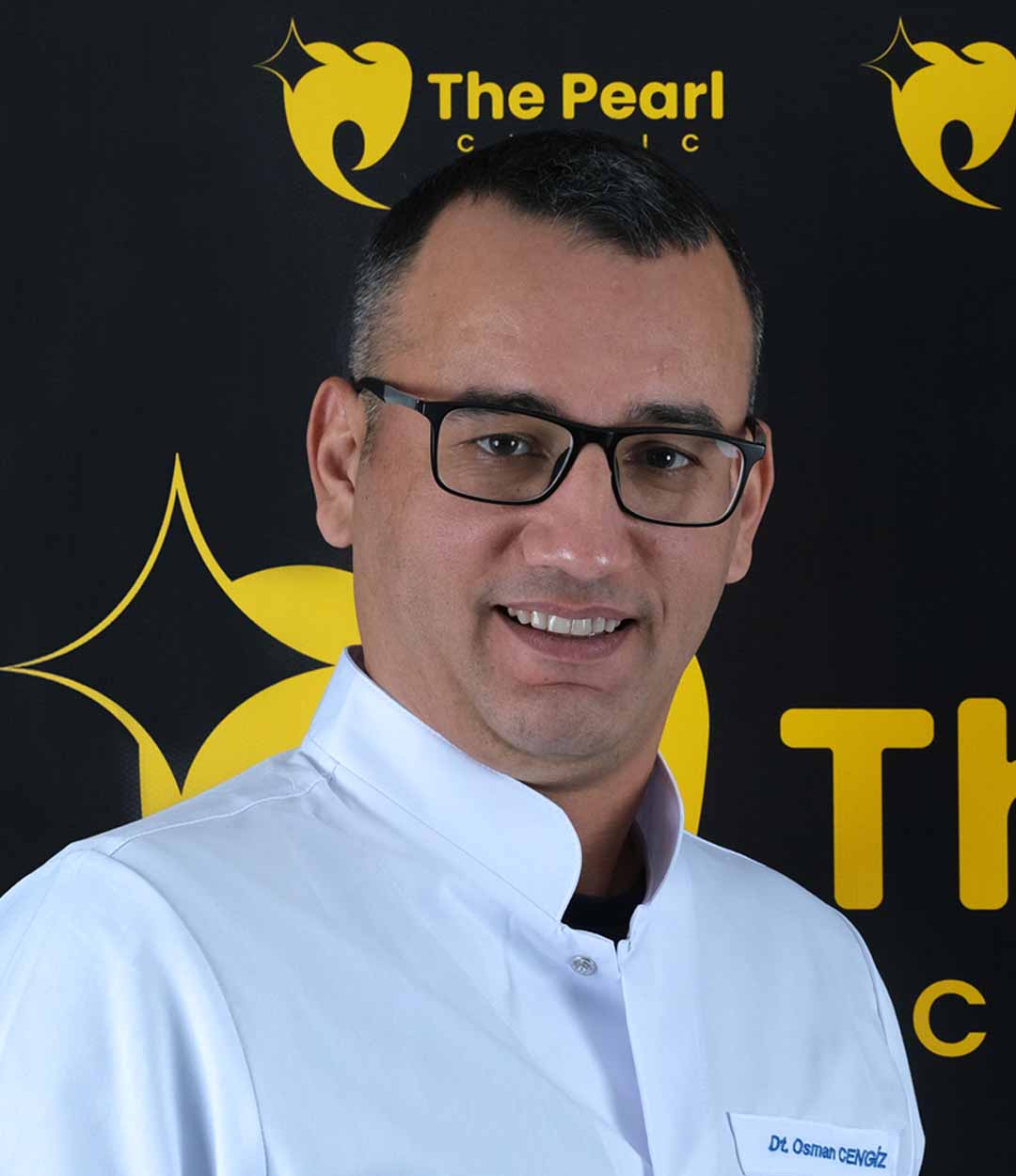
Clinic Owner
Dt. Osman Cengiz
Dentist
Dt. İrem Nur Kılınç
Dentist
Dt. Sevilay Özge Yağcı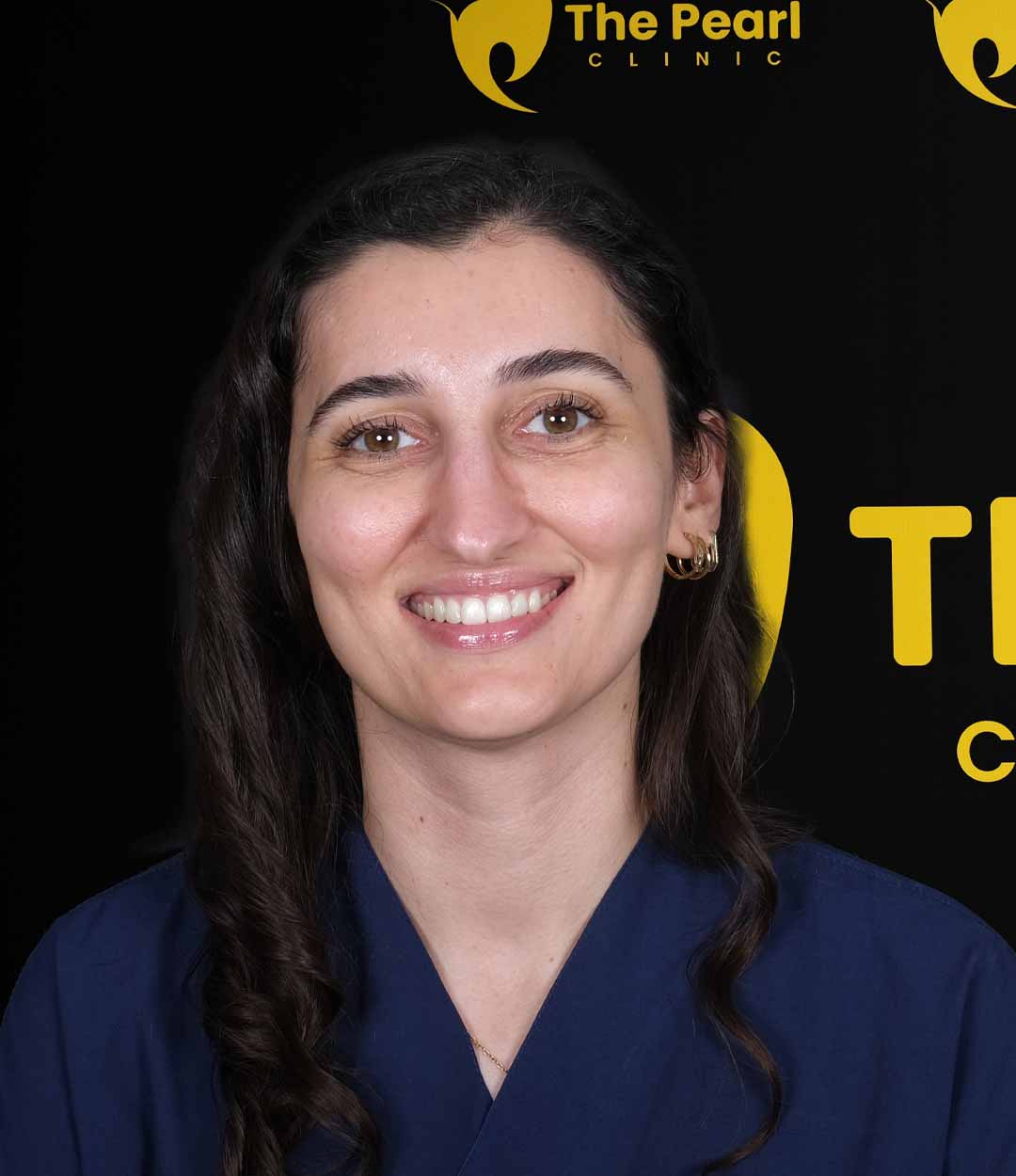
Dental Surgeon
Dt. Tuğba Taş Mammadov
Dentist
Dt. Seda Gür
General Manager
Ebru KırcalıoğluA Trusted Choice for UK Patients
Real Patient Journeys
More on YouTube →See how UK patients restored healthy, confident smiles at The Pearl Clinic Antalya.

Hollywood Smile Makeover
From the UK to Antalya
Shaun's 20-Crown Experience
OM3 Hollywood Smile
Natural-Looking Zirconia
Smile Makeover in Turkey
The Ultimate Transformation
Before & After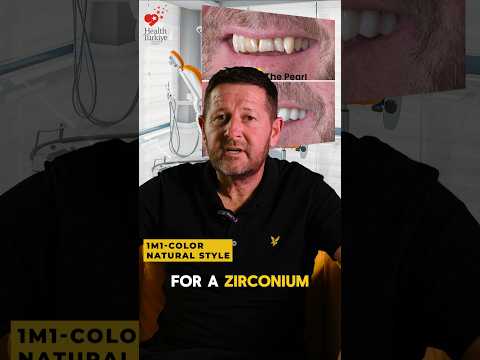
Real UK Patient Review
Zirconia Smile Makeover
This Smile Has the Force!
Zirconia Teeth in TurkeyHover to preview · Click to watch with sound
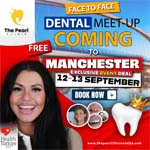
Ask Us Face to Face
Meet our team at a dental meet-up in selected UK cities to discuss your oral health, smoking and any treatment you're considering.
Book Your UK Appointment10. Frequently Asked Questions (FAQ)
Can I get dental implants if I smoke?
Yes, smokers can have implants, but smoking is associated with a higher risk of implant failure and inflammation around implants. Stopping before and after surgery improves your chances of success.
Will you still treat me if I smoke?
Absolutely. We don't judge. We'll explain the risks honestly and adapt your treatment plan to give you the best possible result.
How does smoking affect my gums?
Smoking weakens the immune response and reduces blood flow to the gums, making gum disease more likely, faster-progressing and harder to treat.
Why don't my gums bleed if I have gum disease?
Smoking reduces blood flow to the gums, so they may bleed less even when gum disease is present. This can hide an important warning sign.
How long before dental surgery should I stop smoking?
Ideally stop completely, or for several weeks before and after surgery. At a minimum, many dentists advise stopping 1–2 weeks before and for as long as possible during healing. Your dentist will advise for your procedure.
Can I smoke after a tooth extraction?
It's best not to. Smoking can disturb the blood clot and increase the risk of dry socket, so avoid smoking for at least several days, and longer if possible.
Is vaping better for my teeth than smoking?
Vaping is much less harmful than smoking and can help people quit, but it isn't risk-free for the mouth. It can cause dry mouth and may affect gums, so avoid it around surgery.
Is shisha safer than cigarettes for my teeth?
No. Shisha is still tobacco smoke, often inhaled for long periods, and carries similar risks for gums, staining and mouth cancer.
Can I whiten my teeth if I smoke?
Yes, but results will fade more quickly if you continue to smoke. Avoid smoking for at least 48 hours after whitening.
Do veneers and crowns stain if I smoke?
Ceramic veneers and crowns resist staining much better than natural teeth, but the gums and edges can still be affected by smoking.
Does smoking cause mouth cancer?
Smoking is one of the biggest risk factors for mouth, lip, tongue and throat cancer. A mouth ulcer that hasn't healed within three weeks should always be checked.
Where can I get help to stop smoking in the UK?
Free support is available through local NHS Stop Smoking Services, and your GP or pharmacist can advise on nicotine replacement options.
How do I start planning treatment if I smoke?
Send us your photos, any X-rays and details of your smoking habits on WhatsApp. We'll give you an honest assessment and a plan timed to give you the best result.
A Healthier Smile Is Always Possible
Whether you smoke now or have recently quit, we'll help you plan treatment that gives you the best chance of lasting results. Send us your photos today for a free consultation.
Start My Free ConsultationThe Pearl Clinic Antalya — There's always a reason to smile | About Us | Contact Us
info@thepearlclinicantalya.com | +44 20 4652 4100 | Instagram | Facebook | YouTube | TikTok
This article is for general information and does not replace professional dental or medical advice.