Teeth Grinding (Bruxism): A Complete Guide
Teeth Grinding (Bruxism): Causes, Symptoms, Night Guards and Treatment
Waking up with a sore jaw, headaches or sensitive teeth? You may be grinding or clenching without knowing it. Here's what causes bruxism, how to recognise it, which treatments actually help and what to do if grinding has already damaged your teeth.

Teeth grinding — known medically as bruxism — is very common, and many people don't realise they do it. It often happens during sleep, so the first clue may be a partner hearing it, a sore jaw in the morning, or a dentist spotting worn teeth. Left unchecked, grinding can wear down enamel, crack teeth and damage fillings, crowns and veneers. The good news: once you know you grind, there are simple, effective ways to protect your smile.
1. What Is Bruxism?

Bruxism is the repetitive clenching or grinding of the teeth. It's usually divided into two types:
| Sleep Bruxism | Awake Bruxism | |
|---|---|---|
| When | During sleep | During the day |
| Typical pattern | Grinding and clenching, sometimes noisy | Mostly silent clenching, often when concentrating or stressed |
| Awareness | Usually unaware | Can learn to notice it |
| Common links | Sleep disturbances, snoring, sleep apnoea | Stress, focus, habit |
2. What Causes Teeth Grinding?
There's rarely a single cause. Bruxism is usually linked to a combination of factors:
| Factor | How It's Linked |
|---|---|
| Stress and anxiety | One of the most common triggers, especially for daytime clenching |
| Sleep problems | Snoring and obstructive sleep apnoea are associated with sleep bruxism |
| Caffeine, alcohol and smoking | Can increase grinding, particularly in the evening |
| Certain medicines | Some antidepressants and stimulant medications can contribute |
| Recreational drugs | Stimulants are strongly linked to clenching |
| Neurological conditions | Conditions such as Parkinson's disease can be associated with bruxism |
| Bite alignment | Once thought to be a main cause; current evidence suggests it plays only a minor role |
3. Signs and Symptoms
- Jaw, face or ear ache, especially in the morning
- Headaches on waking, often around the temples
- Flattened, chipped, cracked or shortened teeth
- Tooth sensitivity to hot or cold
- A partner hearing grinding sounds at night
- Tight or tired jaw muscles, or a jaw that clicks or locks
- Broken fillings, crowns or veneers
- Scalloped edges on the tongue or lines inside the cheeks
Think You Might Be Grinding?
Send us close-up photos of your teeth. We'll look for signs of wear and tell you how to protect your smile — free of charge.
4. What Grinding Does to Your Teeth Over Time
| Effect | What Happens |
|---|---|
| Enamel wear | Teeth become flatter and shorter, exposing softer dentine |
| Cracks and fractures | Heavy forces can crack teeth or break off pieces |
| Damaged dental work | Fillings, crowns, veneers and implant restorations can chip or fail |
| Jaw joint problems | Overworked muscles can lead to pain and stiffness in the jaw joints |
| Collapsed bite | In severe cases, teeth lose height and the bite closes down |
See how severe wear was restored in Neil's bruxism story.
5. How Bruxism Is Diagnosed
Your dentist looks for wear patterns, cracks, damaged restorations and tenderness in the jaw muscles. They'll ask about headaches, sleep and stress, and may compare photos or scans over time to see whether wear is progressing. If sleep apnoea is suspected — for example loud snoring, gasping at night or daytime sleepiness — your dentist may suggest seeing your doctor for a sleep assessment.
6. Treatment Options
There's no single cure for bruxism, but a combination of approaches can protect your teeth and reduce symptoms:
| Treatment | What It Does |
|---|---|
| Custom night guard | Protects teeth from wear and spreads biting forces; may ease jaw discomfort for some people |
| Stress management | Relaxation, exercise, mindfulness or talking therapies can reduce clenching |
| Better sleep | Good sleep habits — and treating sleep apnoea if present |
| Habit awareness | Learning to keep "lips together, teeth apart" during the day |
| Jaw exercises and physiotherapy | Can help relax tight muscles and improve jaw movement |
| Botulinum toxin injections | Sometimes used to relax the chewing muscles; evidence is still limited and effects are temporary |
| Restoring worn teeth | Crowns, veneers or bonding to rebuild damaged teeth — always alongside protection |
Night guards: which type?
A custom-made hard night guard is shaped precisely to your teeth, stays in place and is durable. Soft over-the-counter guards are cheaper but can feel bulky and, for some people, may even encourage chewing. If you have crowns, veneers or implants, a custom guard is strongly recommended.
Protect Your Teeth — and Your Dental Work
Tell us about your symptoms and any crowns, veneers or implants. We'll recommend the right protection and, if needed, treatment.
7. Self-Help Tips to Reduce Grinding
- Cut down on caffeine, especially after midday
- Limit alcohol and avoid smoking, particularly in the evening
- Build a calming bedtime routine and keep regular sleep hours
- Notice daytime clenching — set reminders to relax your jaw
- Avoid chewing gum, pens or nails, which keep jaw muscles working
- Apply warmth to sore jaw muscles and stretch gently
- Wear your night guard every night
8. Teeth Grinding in Children
Grinding is common in children, especially while baby teeth are present, and many grow out of it. It's worth mentioning to your dentist if your child complains of jaw or tooth pain, has noticeable wear or shows signs of disturbed sleep such as loud snoring.
9. Already Have Worn Teeth? Restoring the Damage
If grinding has already worn or broken your teeth, they can usually be restored — but protection always comes first, or new restorations will be at risk too.
Mild wear
Composite bonding can rebuild chipped or flattened edges. Read about composite bonding.
Moderate wear or cracked teeth
Crowns — often zirconia, which is very strong — can restore individual teeth.
Severe wear and a collapsed bite
A planned full-mouth reconstruction can restore tooth length and bite height, as in Neil's story.
| Treatment | Indicative Price at Our Clinic |
|---|---|
| Composite bonding (per tooth) | £120 – £160 |
| Zirconia crown (per tooth) | £160 – £200 |
| Custom night guard / full reconstruction | Confirmed after assessment |
Prices are indicative ranges last updated in 2025 and are confirmed after your examination.
Restored Smiles From Our Patients
View All Cases →

Meet Our Dental Team
About Us →
Clinic Owner
Dt. Osman Cengiz
Dentist
Dt. İrem Nur Kılınç
Dentist
Dt. Sevilay Özge Yağcı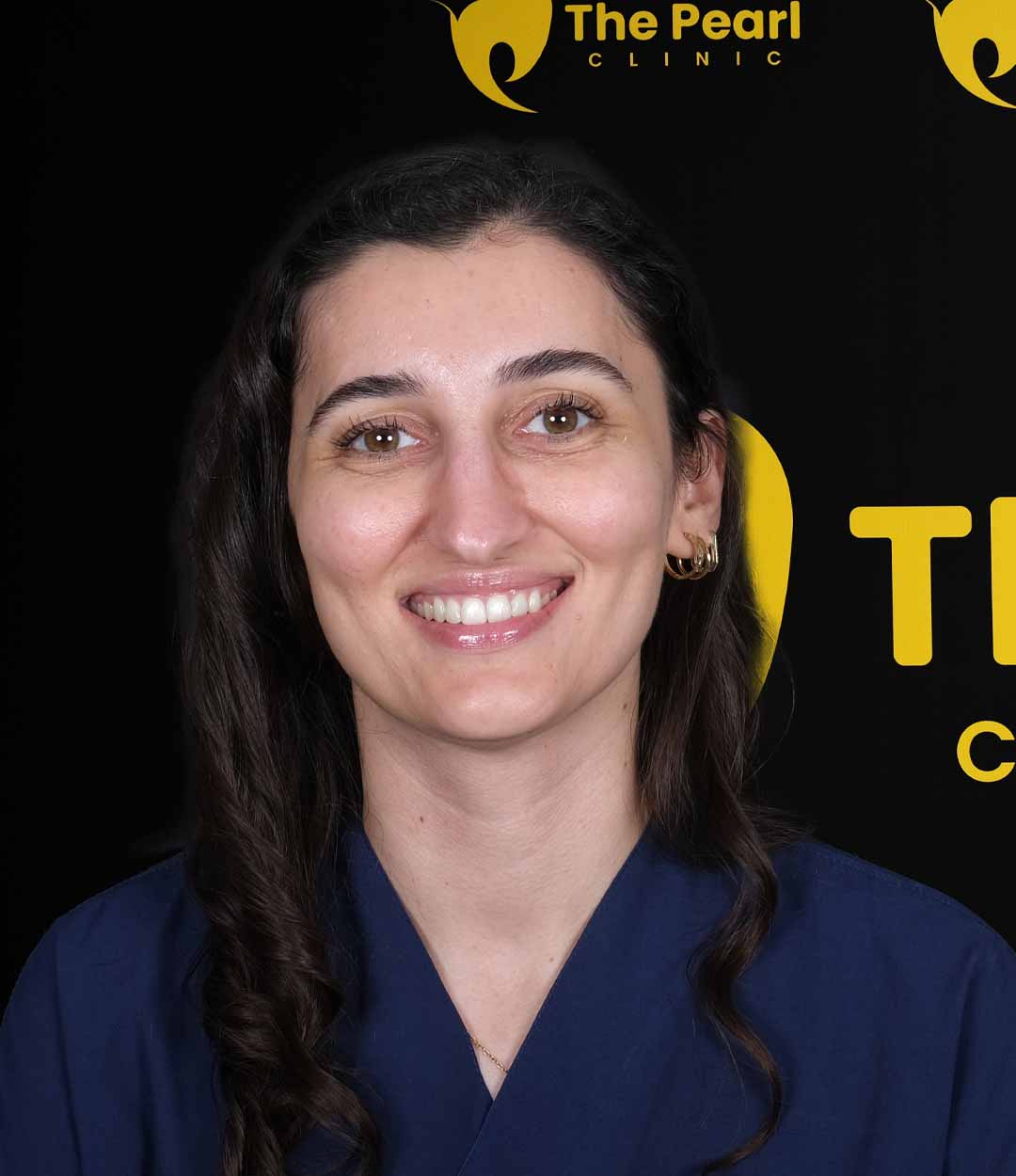
Dental Surgeon
Dt. Tuğba Taş Mammadov
Dentist
Dt. Seda Gür
General Manager
Ebru KırcalıoğluA Trusted Choice for UK Patients
Real Patient Journeys
More on YouTube →See how UK patients restored strong, comfortable smiles at The Pearl Clinic Antalya.

Hollywood Smile Makeover
From the UK to Antalya
Shaun's 20-Crown Experience
OM3 Hollywood Smile
Natural-Looking Zirconia
Smile Makeover in Turkey
The Ultimate Transformation
Before & After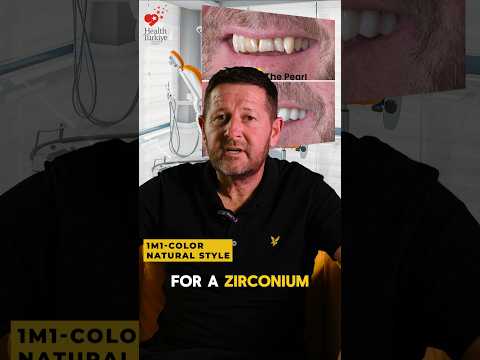
Real UK Patient Review
Zirconia Smile Makeover
This Smile Has the Force!
Zirconia Teeth in TurkeyHover to preview · Click to watch with sound
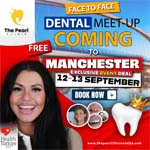
Have Your Teeth Checked in the UK
Meet our team at a dental meet-up in selected UK cities to have tooth wear assessed and discuss protection or restoration before you travel.
Book Your UK Appointment10. Frequently Asked Questions (FAQ)
What causes teeth grinding?
Teeth grinding is usually linked to a combination of factors, including stress and anxiety, sleep problems such as sleep apnoea, caffeine, alcohol, smoking, certain medicines and some neurological conditions.
How do I know if I grind my teeth at night?
Common signs include jaw ache or headaches on waking, worn or chipped teeth, sensitivity, tight jaw muscles and a partner hearing grinding sounds. A dentist can confirm it by looking for wear patterns.
Is teeth grinding caused by a bad bite?
Bite problems were once thought to be a main cause, but current evidence suggests they play only a minor role. Bruxism is now mainly linked to stress, sleep and lifestyle factors.
Can teeth grinding be cured?
There's often no permanent cure, but it can be managed very effectively. A night guard protects your teeth, while stress management, better sleep and habit changes can reduce grinding.
Do night guards stop grinding?
Night guards don't always stop the habit, but they protect your teeth from wear and spread the biting forces. Some people also notice less jaw discomfort.
Is a custom night guard better than one from a shop?
A custom hard night guard fits precisely, stays in place and lasts longer. Soft over-the-counter guards can feel bulky and may encourage chewing for some people.
Can teeth grinding cause headaches?
Yes. Clenching and grinding overwork the jaw muscles, which can cause headaches, often around the temples, and jaw or ear ache in the morning.
Is teeth grinding linked to sleep apnoea?
Sleep bruxism is associated with snoring and obstructive sleep apnoea. If you snore loudly, gasp at night or feel sleepy during the day, speak to your doctor.
Can Botox help with teeth grinding?
Botulinum toxin injections are sometimes used to relax the chewing muscles. Evidence is still limited and the effect is temporary, so it's usually considered alongside other approaches.
Is teeth grinding common in children?
Yes, it's common in children and many grow out of it. Speak to a dentist if your child has jaw or tooth pain, noticeable wear or signs of disturbed sleep.
What happens if bruxism is left untreated?
Untreated grinding can wear down enamel, crack teeth, damage fillings, crowns and veneers, cause jaw joint problems and, in severe cases, lead to a collapsed bite.
Can teeth worn by grinding be restored?
Yes. Depending on the damage, teeth can be rebuilt with composite bonding, crowns such as zirconia or a full-mouth reconstruction, always combined with a night guard.
How do I get help with teeth grinding?
Send us close-up photos of your teeth on WhatsApp. We'll look for signs of wear and recommend the right protection and, if needed, treatment.
Stop the Damage Before It Starts
If you think you grind your teeth, early protection can save your smile. Send us your photos today for a free consultation.
Start My Free ConsultationThe Pearl Clinic Antalya — Dental Implants & Advanced Dentistry in Antalya, Türkiye | About Us | Contact Us
info@thepearlclinicantalya.com | +44 20 4652 4100 | Instagram | Facebook | YouTube | TikTok
This article is for general information and does not replace a professional dental or medical examination.