Composite Bonding: Fix Chips and Gaps, Usually Without Drilling
Composite Bonding in Turkey: A Natural Smile Upgrade, Often in a Single Visit
Chipped edges, small gaps or uneven teeth? Composite bonding can refine your smile with little or no drilling of healthy teeth. Here's how it works, who it suits, how long it lasts — and when veneers or crowns might be the better choice.

A smile is often the first thing people notice — and sometimes it's the small things that bother us most: a chipped front tooth, a little gap, an edge that's worn or uneven. Composite bonding is one of the most conservative ways to address these concerns. A tooth-coloured resin is sculpted directly onto your teeth, usually without removing healthy tooth structure, and the result can look beautifully natural. It isn't the right answer for every smile, though — so let's look at exactly what it can achieve.

Composite Bonding at The Pearl Clinic Antalya
Watch on YouTube1. What Is Composite Bonding?
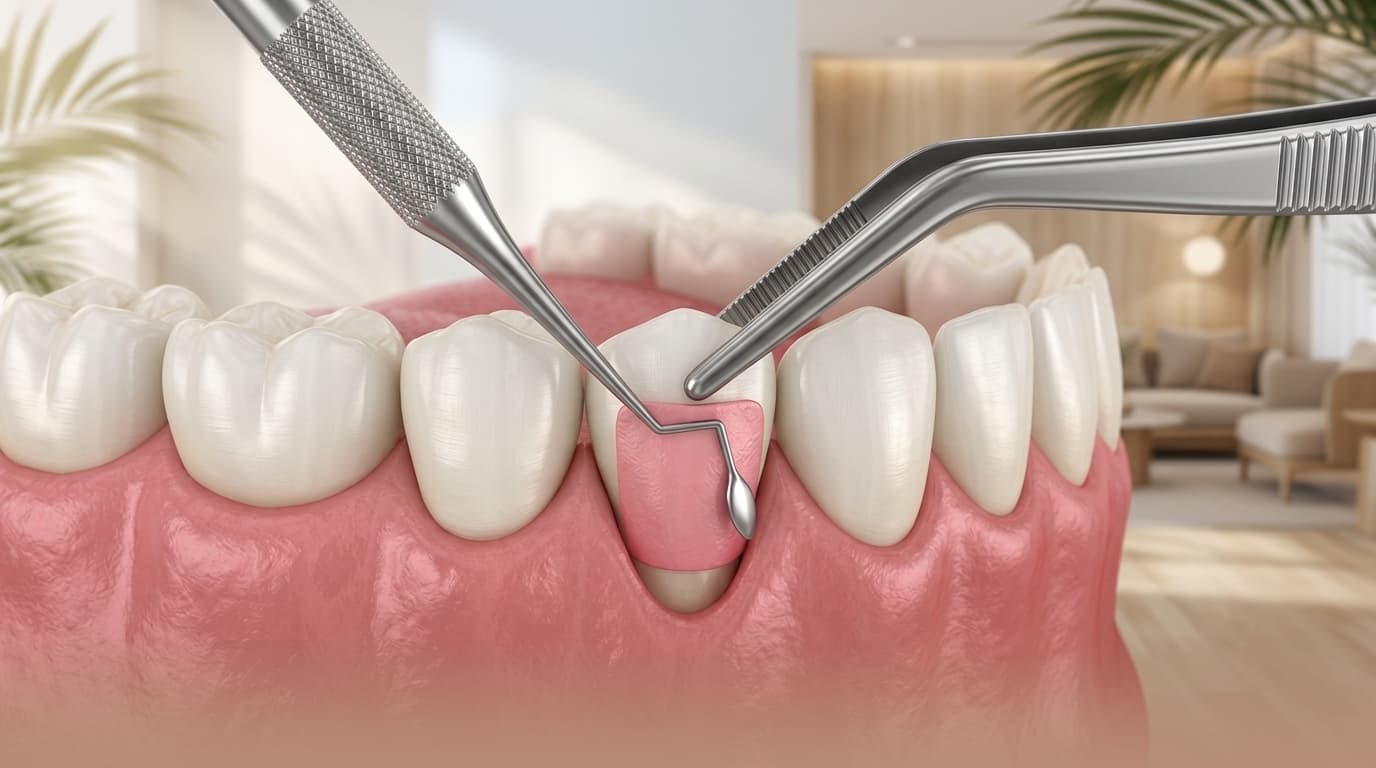
Composite bonding is a cosmetic and restorative treatment in which a tooth-coloured composite resin is applied to the surface of a tooth, shaped by hand and hardened with a special light. The same family of materials is used for white fillings, but in bonding the dentist focuses on aesthetics — building up edges, closing small spaces and refining shape.
Because the resin bonds directly to the enamel, healthy tooth structure usually doesn't need to be drilled away. That's why bonding is often described as minimally invasive: it changes how your teeth look while preserving what nature gave you.
2. What Can Composite Bonding Fix?
Bonding works best for small to moderate cosmetic concerns on otherwise healthy teeth:
- Chipped or slightly broken teeth — rebuilding the missing edge
- Small gaps between teeth — including a gap between the front teeth
- Worn or uneven edges — restoring length and symmetry
- Minor shape irregularities — making a narrow or pointed tooth look more balanced
- Localised discolouration — masking a stain or mark on a single tooth
- Mildly crowded or rotated teeth — creating the illusion of straighter teeth in selected cases
Edge bonding
Edge bonding adds a thin layer of composite to the biting edges of the front teeth to repair chips or wear and create a smoother, more even smile line. It's one of the most requested bonding treatments among UK patients.
Closing small gaps
Small spaces can be closed by adding composite to the sides of neighbouring teeth. Larger gaps may need orthodontics first, because closing them with bonding alone can make teeth look too wide.
Is Bonding Right for Your Smile?
Send us a close-up smile photo in natural light. Our team will tell you whether bonding, whitening or another option could suit you.
3. Who Is a Good Candidate — and Who Isn't?
| Bonding Is Often a Good Fit If… | Another Option May Be Better If… |
|---|---|
| Your teeth and gums are healthy | You have active decay or gum disease (treat first) |
| You have small chips, gaps or uneven edges | Large parts of the tooth are missing |
| You want to keep your natural teeth intact | You want a dramatic change to many teeth |
| Your bite is stable | You grind heavily or have a deep bite |
| You're happy with occasional maintenance | You want the most stain-resistant option |
If your bite or tooth position is the main issue, orthodontic treatment may be the best foundation. For gum health first, see our gum disease guide.
4. The Composite Bonding Procedure, Step by Step
Most bonding cases are completed in a single appointment, often without local anaesthetic. Here's what happens:
Step 1 — Consultation and smile planning
Your dentist checks your teeth, gums and bite, discusses what you'd like to change and explains what bonding can realistically achieve.
Step 2 — Shade matching
The composite shade is selected in natural light to blend with your teeth. Several shades may be layered for a lifelike result.
Step 3 — Preparing the surface
The tooth is cleaned and lightly conditioned, then a bonding agent is applied so the resin adheres securely. Healthy enamel usually doesn't need drilling.
Step 4 — Sculpting the composite
The resin is applied in thin layers and shaped by hand to recreate natural contours, edges and translucency.
Step 5 — Light curing
Each layer is hardened with a special curing light.
Step 6 — Polishing and bite check
The bonding is refined, polished to a natural sheen and checked against your bite for comfort.

See the Bonding Procedure
Watch on YouTube5. Composite Bonding vs Veneers vs Crowns
Not sure which treatment you need? This comparison shows how they differ:
| Composite Bonding | Porcelain / E-max Veneers | Zirconia Crowns | |
|---|---|---|---|
| Tooth preparation | Usually little or none | Minimal to moderate | More extensive |
| Made | Directly on the tooth | In a dental laboratory | In a dental laboratory |
| Visits | Often one | Usually more than one | Usually more than one |
| Stain resistance | Good, but can stain over time | Very good | Very good |
| Repairable | Yes, usually easily | Usually replaced if damaged | Usually replaced if damaged |
| Best for | Small chips, gaps, edges | Colour and shape changes on several teeth | Weakened or heavily damaged teeth |
Learn more about full-coverage options in our guide to zirconia crowns in Turkey.
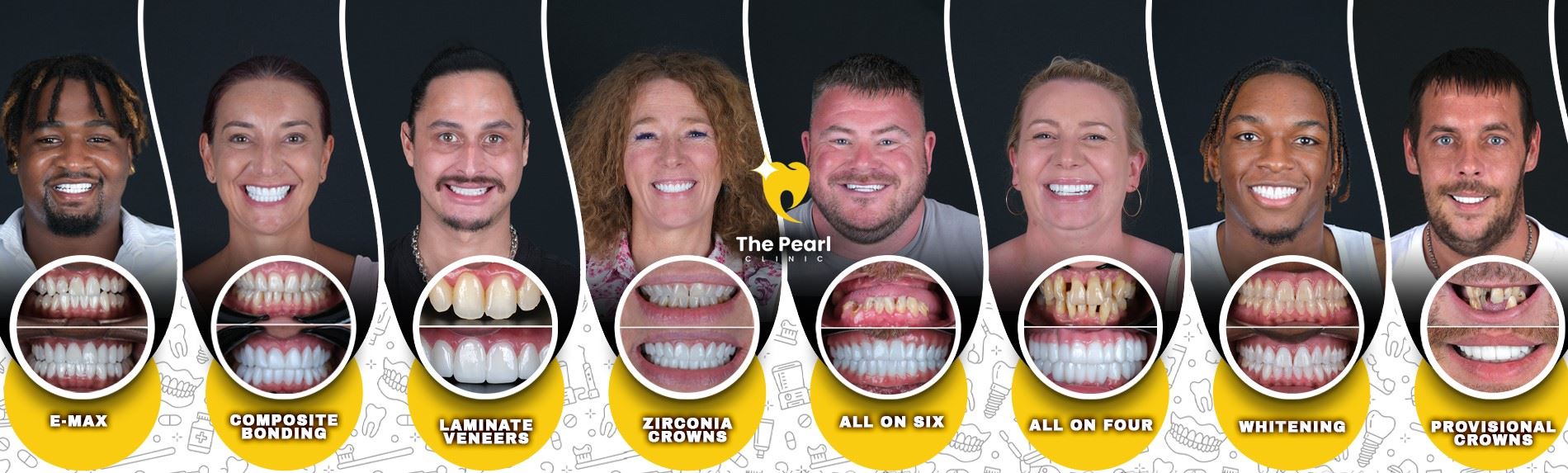
Explore Our Smile Gallery
View All Cases →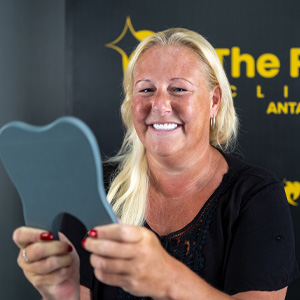


6. How Long Does Composite Bonding Last?
With good care, composite bonding typically lasts several years before it needs polishing, repair or replacement. How long yours lasts depends on:
- The size and position of the bonding — biting edges take more force
- Your bite and any clenching or grinding habits
- Habits such as nail-biting or biting hard objects
- How often you drink coffee, tea or red wine, or smoke
- Your oral hygiene and regular check-ups
The good news: small chips or dull areas can usually be repaired or re-polished without starting from scratch.
7. Aftercare: How to Keep Your Bonding Looking New
Keep it clean
Brush twice daily with a non-abrasive fluoride toothpaste and clean between your teeth every day.
Be mindful of stains
Composite can pick up stains more than porcelain. Rinse with water after coffee, tea or red wine, and avoid smoking.
Protect the edges
Don't bite nails, pens or ice, and avoid biting very hard foods with bonded front teeth.
Guard against grinding
If you clench or grind, a custom night guard can help protect your bonding.
Keep up check-ups
Professional polishing at routine visits helps maintain shine and catches small chips early.

Composite Bonding Results
Watch on YouTubeDrink a lot of coffee? Our guide on removing coffee stains from teeth has practical tips.
Get Your Personalised Bonding Quote
Tell us which teeth you'd like to improve and share a few photos. We'll explain your options and send an itemised quote.
8. Composite Bonding Cost in Turkey
Bonding is usually priced per tooth. Indicatively, composite bonding at our clinic has ranged from around £120–£160 per tooth, compared with roughly £300–£450 in UK private practice.
Your price depends on the number of teeth, the complexity of the shaping and whether any other treatment — such as cleaning or whitening — is needed first. Prices are indicative ranges last updated in 2025 and are confirmed in a written plan after your assessment. See our UK vs Turkey dental prices guide for more.
9. Composite Bonding at The Pearl Clinic Antalya
Great bonding is part science, part artistry. Our dentists plan every case around your facial features, smile line and natural tooth shade, layering composite to reproduce the subtle translucency of real enamel. We always discuss the most conservative way to reach your goal — and we'll tell you honestly if another treatment would serve you better.
Meet Our Team
About Us →
Clinic Owner
Dt. Osman Cengiz
Dentist
Dt. İrem Nur Kılıç
Dentist
Dt. Sevilay Özge Yağcı
Dental Surgeon
Dt. Tuğba Taş Mammadov
Dentist
Dt. Seda Gür
General Manager
Ebru KırcalıoğluWhy Patients Choose The Pearl Clinic Antalya
More Real Patient Smile Journeys
More on YouTube →From subtle bonding to complete makeovers — see how UK patients transformed their smiles at The Pearl Clinic Antalya.

Hollywood Smile Makeover
From the UK to Antalya
Shaun's 20-Crown Experience
OM3 Hollywood Smile
Natural-Looking Zirconia
Smile Makeover in Turkey
The Ultimate Transformation
Before & After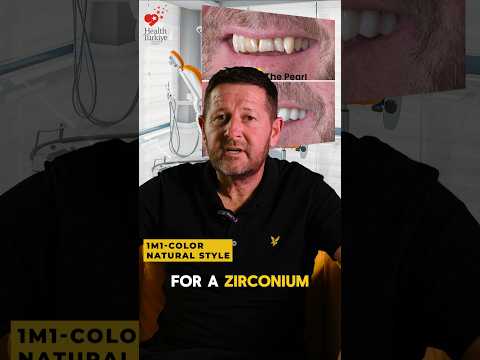
Real UK Patient Review
Zirconia Smile Makeover
This Smile Has the Force!
Zirconia Teeth in TurkeyHover to preview · Click to watch with sound

Meet Our Team in the UK
Join a face-to-face dental meet-up in selected UK cities to discuss bonding, veneers or a full smile plan before you travel. Bonding often fits easily into a short trip to Antalya.
Book Your UK Appointment10. Frequently Asked Questions (FAQ)
What is composite bonding?
Composite bonding is a treatment in which tooth-coloured composite resin is applied to a tooth, shaped by hand and hardened with a light to repair chips, close small gaps or improve shape, usually without removing healthy tooth structure.
Does composite bonding damage your teeth?
Bonding usually requires little or no drilling of healthy enamel, which is why it's considered one of the most conservative cosmetic options. The tooth surface is lightly conditioned so the resin can adhere.
Is composite bonding painful?
Most patients find bonding comfortable, and it's often done without local anaesthetic because healthy enamel usually isn't drilled. If any preparation is needed, your dentist can numb the area.
How long does composite bonding last?
With good care, bonding typically lasts several years before it needs polishing, repair or replacement. Longevity depends on your bite, habits, diet and oral hygiene.
How long does the composite bonding procedure take?
Most cases are completed in a single appointment. The time depends on how many teeth are treated and how much shaping is needed.
Can composite bonding be whitened?
No. Composite doesn't respond to whitening. If you want brighter teeth, whiten first and then match the bonding to your new shade.
Does composite bonding stain?
Composite can pick up stains from coffee, tea, red wine and smoking more than porcelain does. Rinsing after dark drinks and regular professional polishing help keep it looking fresh.
Composite bonding or veneers — which is better?
Bonding suits small chips, gaps and edges and usually needs little or no tooth preparation. Porcelain or E-max veneers are more stain-resistant and suit larger colour or shape changes. Your dentist will recommend the best option for your teeth.
Can composite bonding close a gap between my front teeth?
Small gaps can often be closed with bonding. Larger gaps may need orthodontic treatment first, as closing them with bonding alone can make teeth look too wide.
What is edge bonding?
Edge bonding adds a thin layer of composite to the biting edges of the front teeth to repair chips or wear and create a smoother, more even smile line.
Can composite bonding be repaired?
Yes. Small chips or dull areas can usually be repaired or re-polished without replacing the whole bonding.
Is composite bonding reversible?
Because little or no enamel is usually removed, bonding is one of the most conservative cosmetic options and can often be removed, refreshed or upgraded later. Your dentist can explain what applies to your case.
How much does composite bonding cost in Turkey?
At The Pearl Clinic Antalya, composite bonding has indicatively ranged from around £120–£160 per tooth. Your final price is confirmed in a written plan after your assessment.
Who is not suitable for composite bonding?
Bonding may not be ideal if you have active decay or gum disease, large areas of missing tooth, heavy grinding or a deep bite, or if you want a dramatic change to many teeth. Another treatment may suit you better.
Can I have composite bonding during a short trip to Antalya?
Often, yes. Most bonding cases are completed in one appointment, so treatment fits easily into a short stay. Send us photos first so we can advise on timing.
Small Changes, a Big Difference
Sometimes the smallest refinements make the biggest difference to how you feel about your smile. Send us a photo today and find out whether composite bonding is right for you.
Start My Free ConsultationThe Pearl Clinic Antalya — Aesthetic & Restorative Dentistry in Antalya, Türkiye | About Us | Contact Us
info@thepearlclinicantalya.com | +44 20 4652 4100 | Instagram | Facebook | YouTube | TikTok
This article is for general information and does not replace a professional dental examination. Suitability, results and longevity vary from person to person. Prices are indicative and confirmed after clinical assessment.