Sustainable Dentistry
Sustainable Dentistry: How Dental Care and Environmental Responsibility Can Go Hand in Hand
Every dental visit uses energy, water and materials. So what does "eco-friendly dentistry" really mean — and what can a clinic, and you, actually do about it? Here's our honest look at sustainable dental care, and the simple habits that make a difference at home.
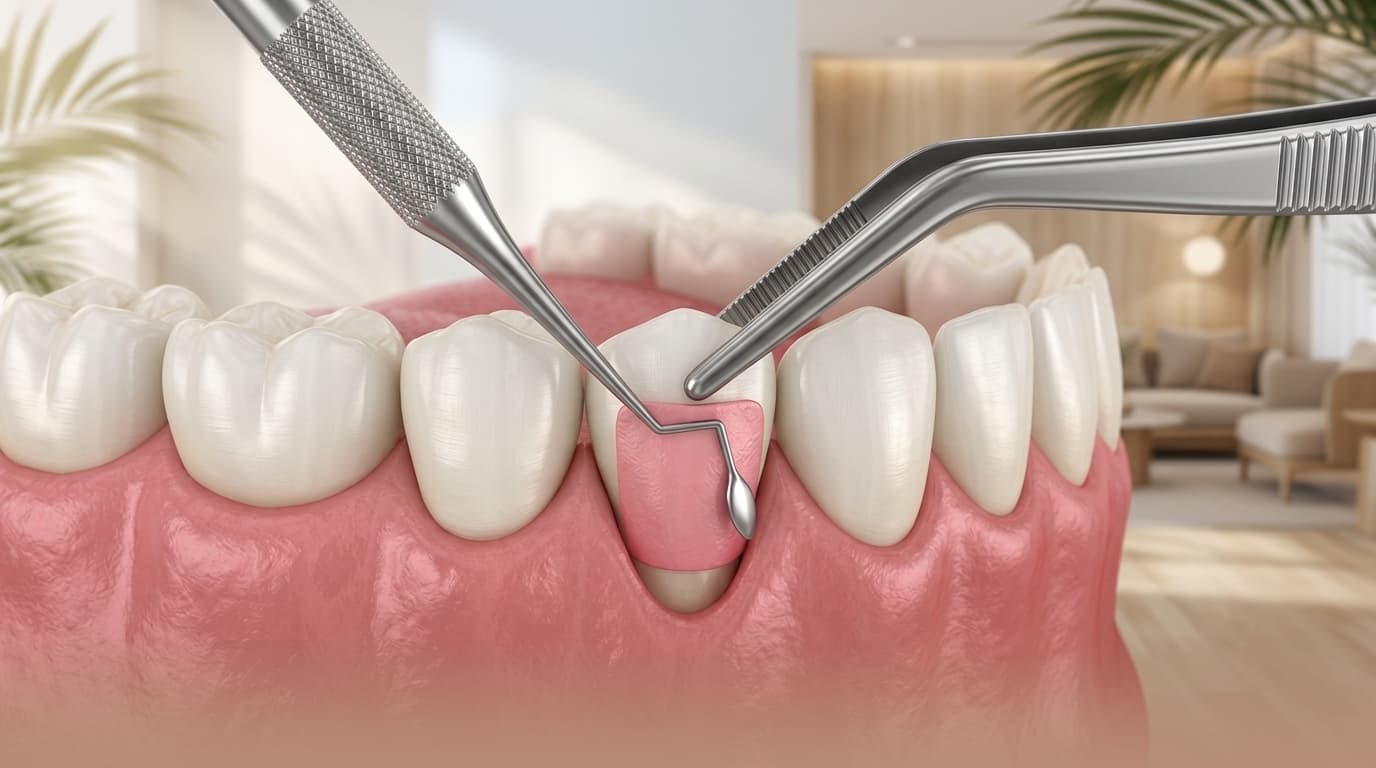
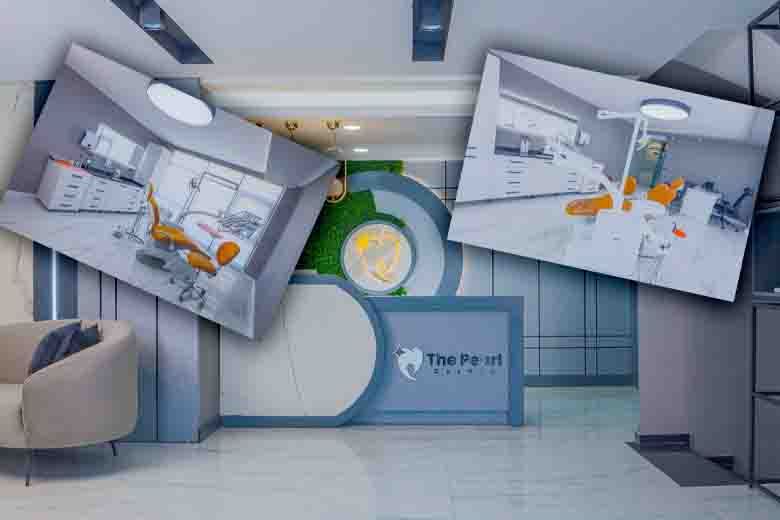
Sustainability is becoming an important part of healthcare — and dentistry is no exception. From disposable materials to energy-hungry equipment and patient travel, every treatment leaves a footprint. At The Pearl Clinic Antalya, we believe great dental care and environmental responsibility can work together. Not through vague "green" promises, but through practical choices: preventing problems early, using digital workflows, choosing long-lasting materials and wasting less. And the best part? Many of the most sustainable choices are also the best ones for your oral health.
1. Can Dental Care and Environmental Protection Go Hand in Hand?

Yes — as long as patient safety stays the top priority. Sustainable dentistry means delivering the same high standard of care while reducing unnecessary waste, energy and water use wherever it's safe to do so.
Interestingly, many of the most environmentally friendly practices are simply good dentistry. Treating problems early avoids larger treatments. Durable restorations last longer and need replacing less often. Digital scans replace bulky impression materials. In other words, a healthier mouth and a lighter footprint often go together.
2. Where Does Dentistry's Environmental Footprint Come From?
Understanding the sources of impact helps focus on changes that actually matter:
| Source | Why It Matters | How It Can Be Reduced |
|---|---|---|
| Patient and staff travel | Often one of the largest contributors to healthcare emissions | Fewer, better-planned visits; remote consultations |
| Single-use items | Gloves, bibs, covers and packaging add up quickly | Using reusable sterilisable instruments where safe; avoiding unnecessary items |
| Impression materials and models | Traditional impressions and plaster models create waste | Digital intraoral scanning and digital records |
| Energy use | Lighting, sterilisation, compressors and suction run all day | Energy-efficient equipment and LED lighting |
| Water use | Dental units and sterilisation use water | Water-efficient equipment and good practice |
| Repeat treatments | Restorations that fail early mean more visits and materials | Durable materials and careful planning |
Fewer Trips, Smarter Planning
Start with a free online consultation. Send us your photos and we'll plan your treatment in advance — so every visit counts.
3. How We Approach Sustainability at The Pearl Clinic Antalya
Digital dentistry
Intraoral scanning instead of traditional impressions
Digital scanners capture a 3D image of your teeth, replacing impression trays and materials for many treatments — reducing waste and improving comfort, especially for patients with a strong gag reflex.
In-house digital laboratory
Designing and producing crowns, veneers and bridges on site means fewer shipments between clinic and laboratory, and adjustments can be made without repeat trips.
Digital records and imaging
Digital X-rays, photos and treatment records reduce paper and film use, and make it easy to share information with your dentist at home.
Durable, biocompatible materials
We prioritise materials chosen for their biocompatibility and longevity, such as zirconia and E-max ceramics for crowns and veneers. A restoration that lasts longer means fewer replacements, fewer visits and less material over a lifetime. Learn more about zirconia crowns.
Energy, water and waste
- Energy-saving equipment and LED lighting where possible
- Water-efficient equipment and mindful daily practice
- Separating waste so recyclable materials are recycled where it's safe and permitted
- Disposing of clinical waste responsibly, in line with health regulations
4. Safety First: Why Some Single-Use Items Are Here to Stay
Some items in dentistry are single-use for a very good reason: infection control. Needles, gloves, certain sterile covers and other items must be used once and disposed of safely to protect every patient.
That's why genuinely sustainable dentistry focuses on the areas where change is safe and effective: prevention, digital workflows, durable materials, energy use and fewer unnecessary visits.
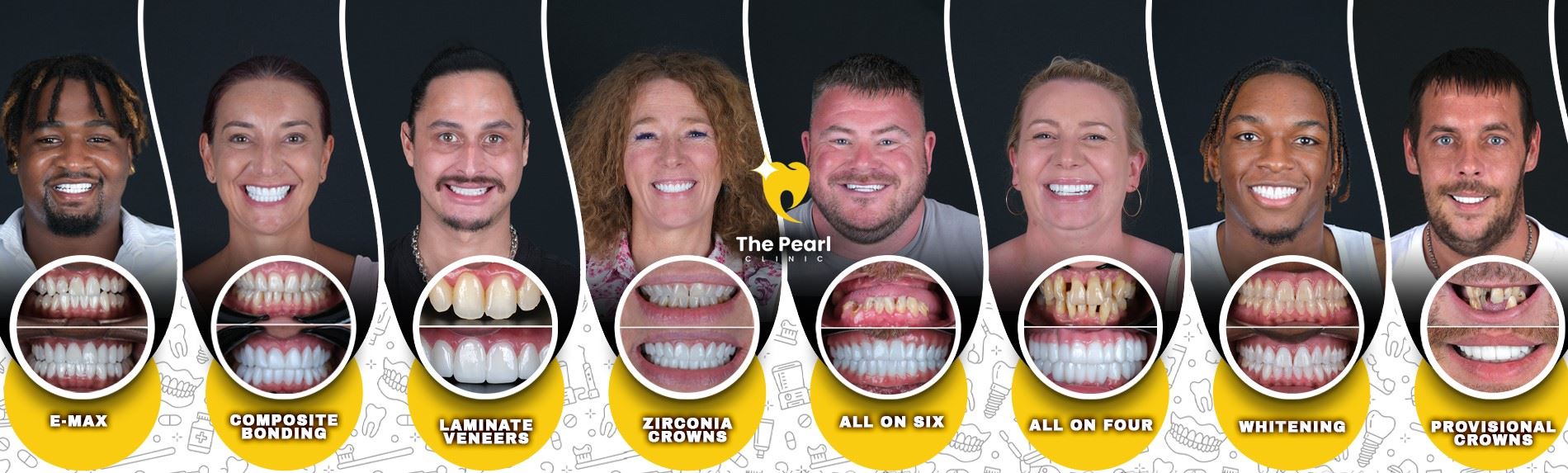
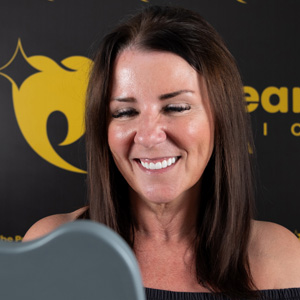
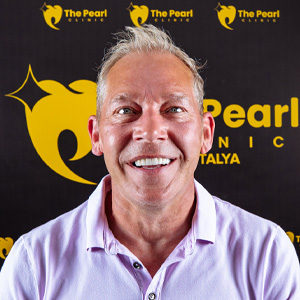
Long-Lasting Results, Planned With Care
View All Cases →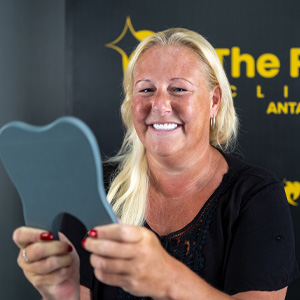
5. Prevention: The Most Sustainable Dentistry of All
Every filling, crown or implant uses materials, energy and travel. Preventing problems in the first place is better for your health, your wallet — and the planet.
| Caught Early | Left Untreated |
|---|---|
| Small cavity — a quick filling | Root canal treatment, a crown or an extraction |
| Mild gum inflammation — a professional clean | Gum disease and possible tooth loss |
| Small chip — simple bonding | A larger fracture needing more extensive work |
6. Dental Travel and Sustainability: An Honest View
We won't pretend otherwise: travelling for dental treatment involves flights, and travel is a significant part of healthcare's footprint. What we can do is make every trip count:
- Plan before you fly — free online consultations with photos and X-rays help us plan treatment in advance
- Fewer visits — digital workflows and an in-house lab mean many crowns and veneers are completed in a single trip
- Combine treatments — where clinically appropriate, treatments can be planned together rather than spread over several journeys
- Meet us closer to home — our UK dental meet-ups let you ask questions before committing to travel
- Long-lasting results — durable restorations and clear aftercare reduce the need for return trips
Thinking about treatment abroad? Our guide to choosing a dental clinic in Turkey explains how to plan well.
Make Every Visit Count
Tell us your goals and we'll plan your treatment carefully in advance — fewer surprises, fewer trips.
7. 10 Eco-Friendly Dental Habits You Can Start Today
Sustainability isn't only the clinic's responsibility. These simple swaps help the planet without compromising your oral health:
| Habit | Why It Helps |
|---|---|
| 1. Turn off the tap while brushing | Saves a surprising amount of water every day |
| 2. Try a bamboo toothbrush | The handle is made from a fast-growing renewable material |
| 3. Or use an electric brush with replaceable heads | You only replace the head, not the whole brush |
| 4. Choose recyclable or refillable packaging | Reduces plastic waste from toothpaste and floss |
| 5. Keep fluoride in your toothpaste | Some "natural" toothpastes and tablets lack fluoride, which protects against decay — check the label |
| 6. Use refillable floss or reusable interdental brushes | Cuts down on single-use plastic |
| 7. Replace your brush on time | Around every three months — worn bristles clean less effectively |
| 8. Recycle where schemes exist | Some oral care products can be recycled through dedicated schemes |
| 9. Cut back on sugary drinks | Fewer cavities means fewer treatments |
| 10. Keep up regular check-ups | Catching problems early is the most sustainable dentistry of all |
Love your coffee? Read our guide on removing coffee stains from teeth for simple, eco-friendly tips.
Meet Our Team
About Us →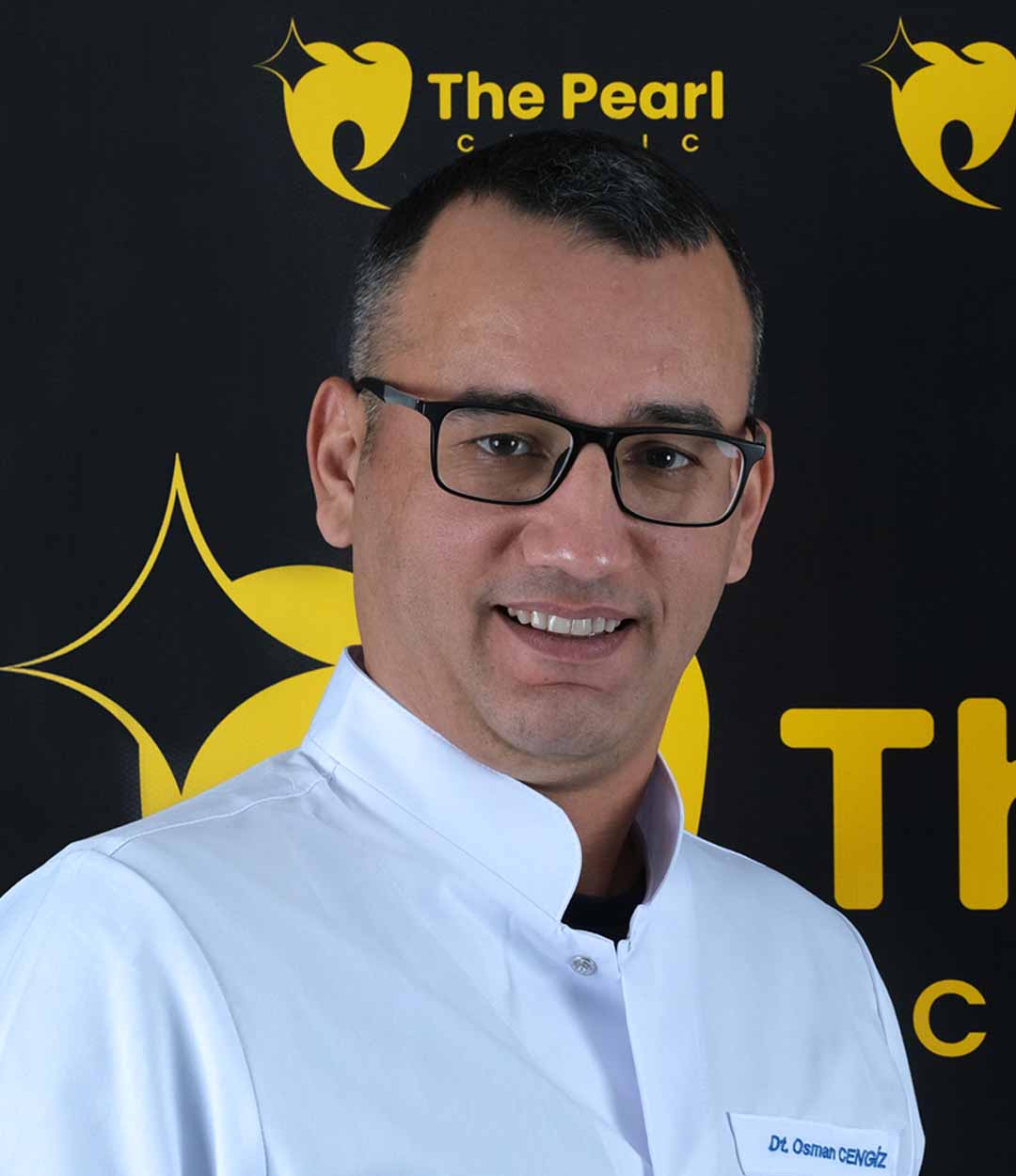
Clinic Owner
Dt. Osman Cengiz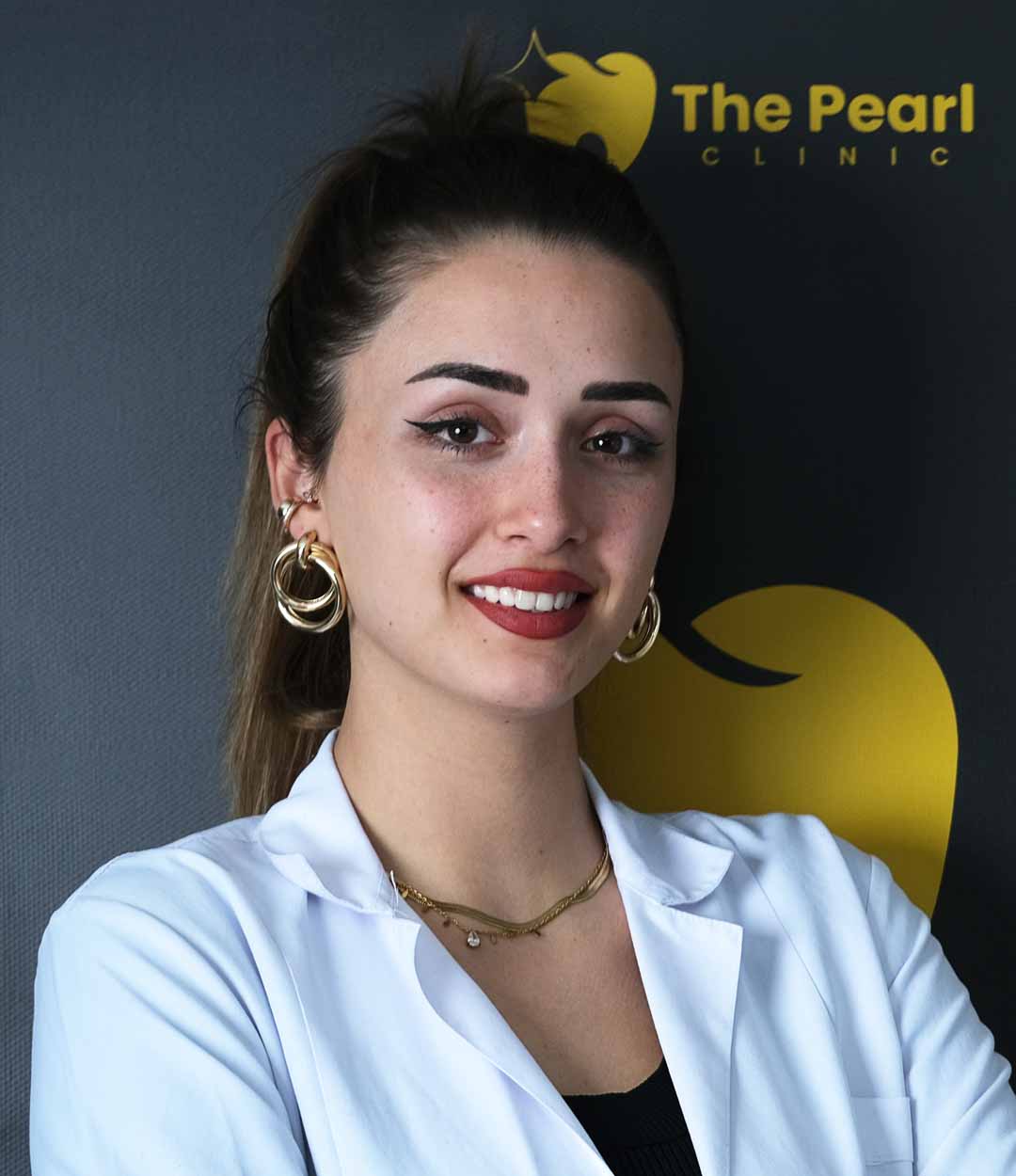
Dentist
Dt. İrem Nur Kılıç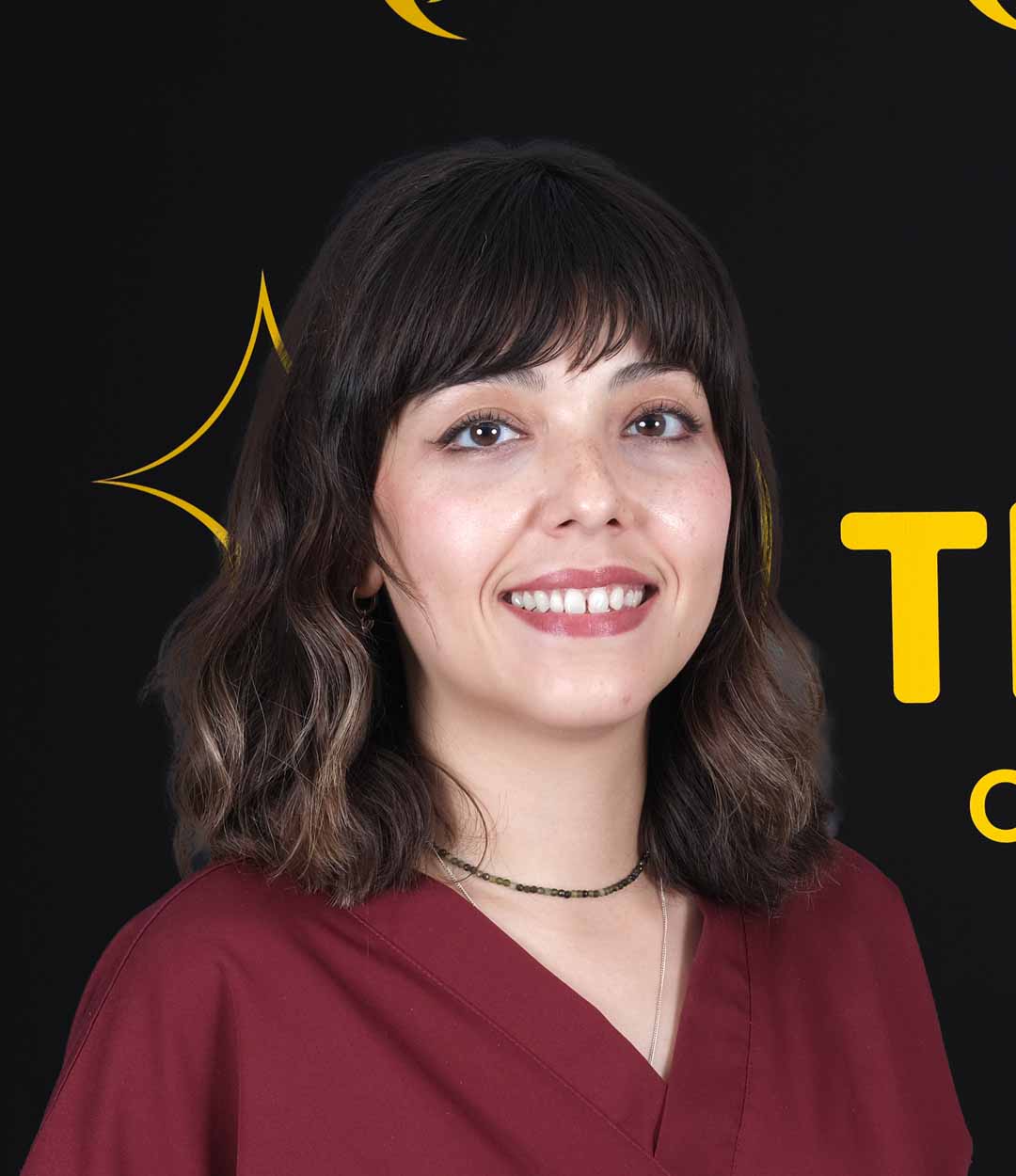
Dentist
Dt. Sevilay Özge Yağcı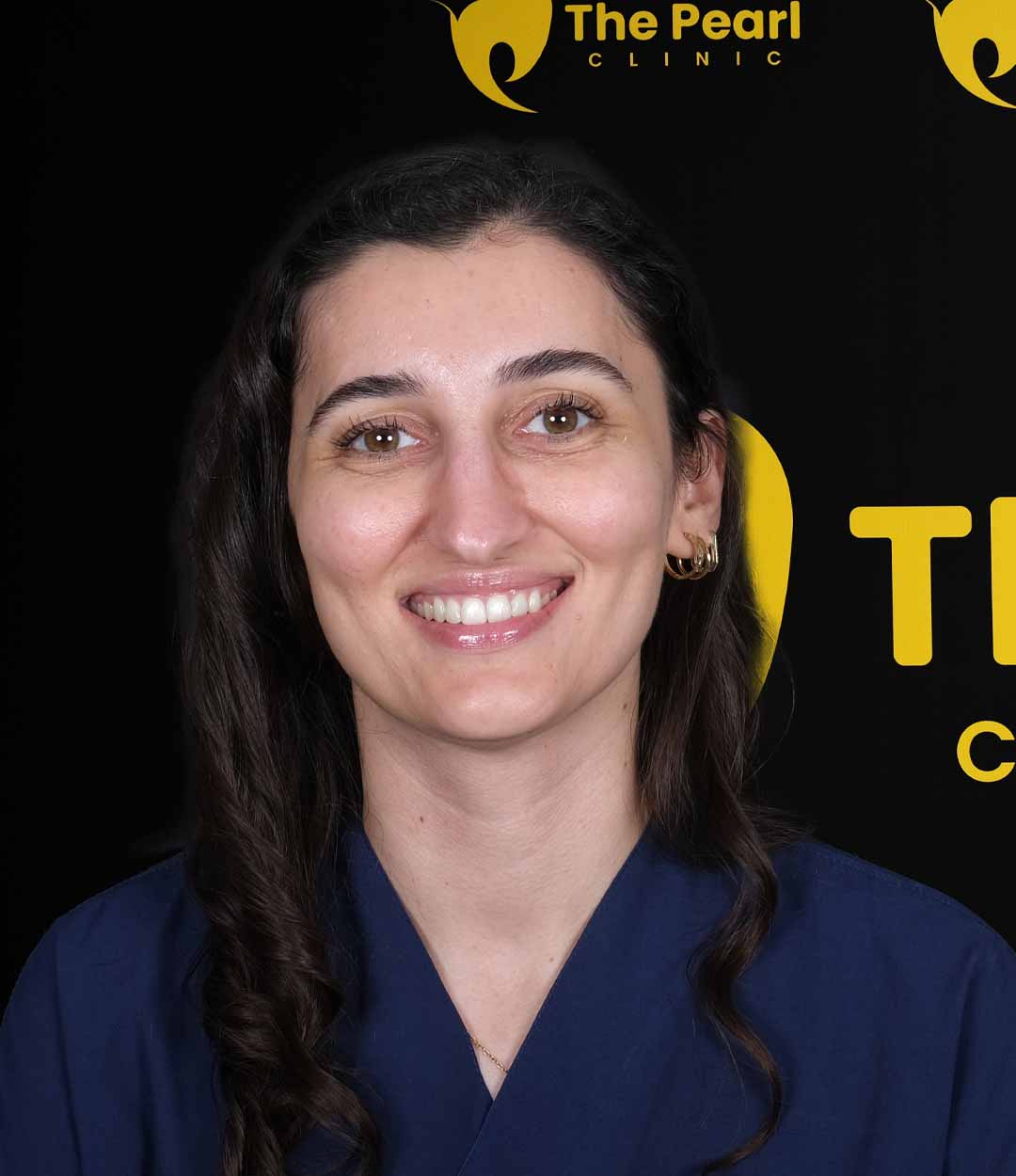
Dental Surgeon
Dt. Tuğba Taş Mammadov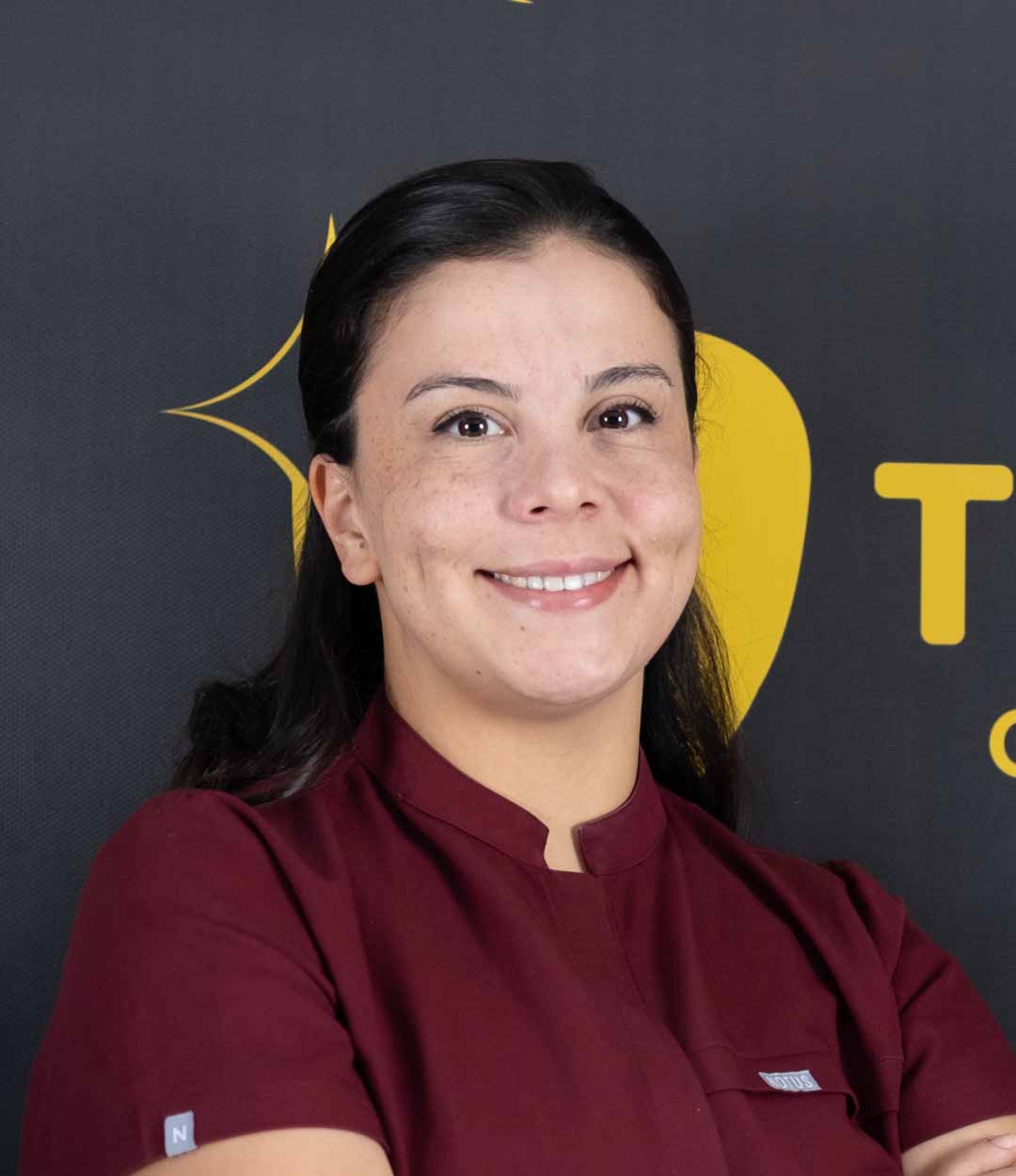
Dentist
Dt. Seda Gür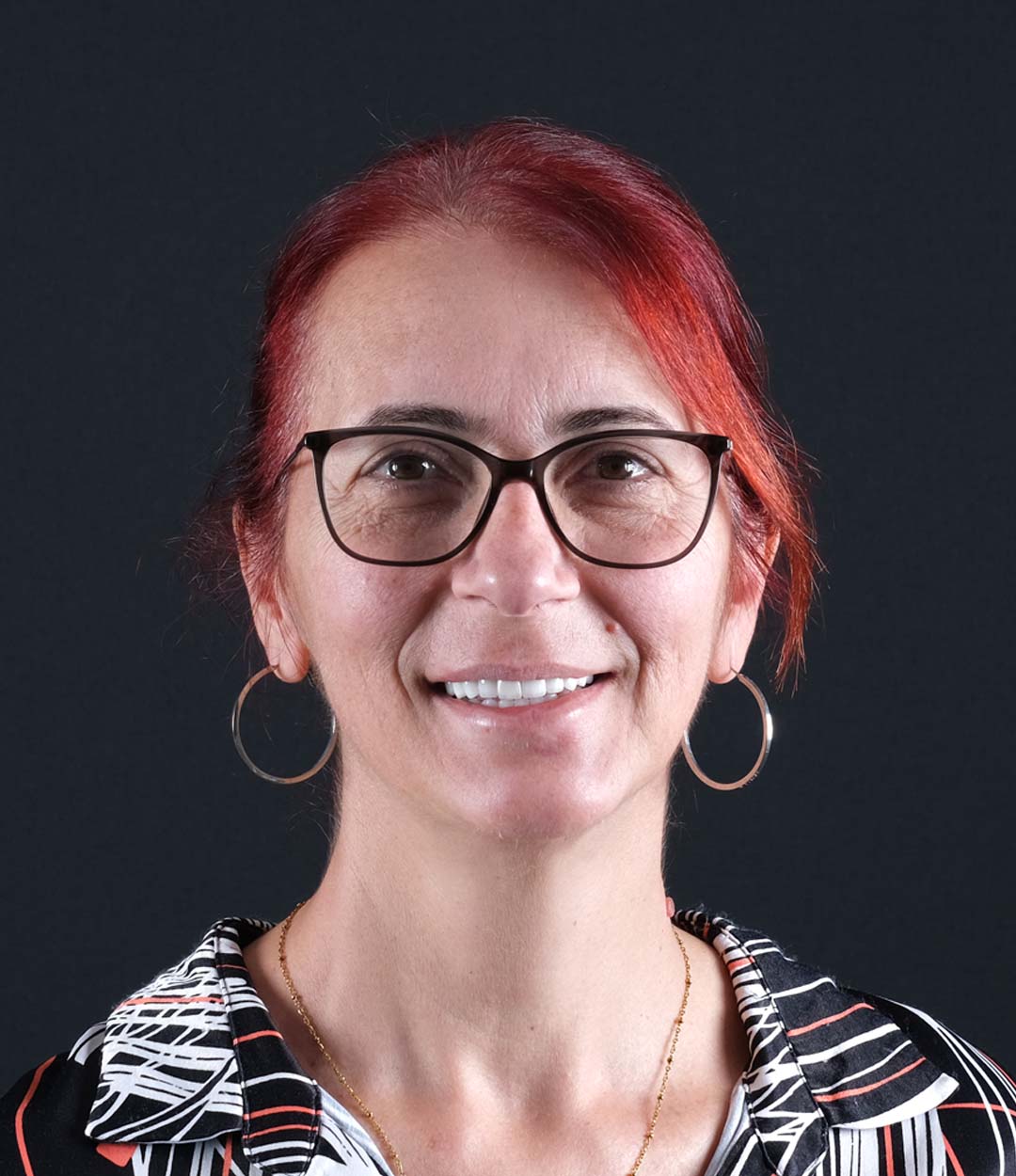
General Manager
Ebru KırcalıoğluWhy Patients Choose The Pearl Clinic Antalya
Watch Real Patient Journeys
More on YouTube →See how UK patients planned their treatment and transformed their smiles at The Pearl Clinic Antalya.

Hollywood Smile Makeover
From the UK to Antalya
Shaun's 20-Crown Experience
OM3 Hollywood Smile
Natural-Looking Zirconia
Smile Makeover in Turkey
The Ultimate Transformation
Before & After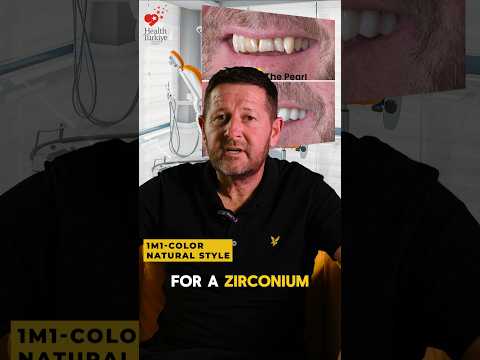
Real UK Patient Review
Zirconia Smile Makeover
This Smile Has the Force!
Zirconia Teeth in TurkeyHover to preview · Click to watch with sound
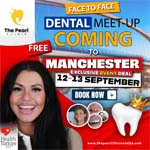
Meet Us in the UK — Before You Fly
Join a face-to-face dental meet-up in selected UK cities to ask questions and plan your treatment, so your trip to Antalya is as efficient as possible.
Book Your UK Appointment8. Frequently Asked Questions (FAQ)
What is sustainable dentistry?
Sustainable dentistry means providing high-quality dental care while reducing unnecessary waste, energy and water use wherever it's safe to do so — for example through prevention, digital workflows and durable materials.
What makes The Pearl Clinic Antalya's approach eco-conscious?
We use digital scanning and records, an in-house laboratory, durable biocompatible materials, energy-efficient equipment where possible and responsible waste separation — always with patient safety first.
How do digital scanners help sustainability?
Intraoral scanners replace traditional impression materials and plaster models for many treatments, reducing waste and improving comfort for patients.
Does sustainable dentistry compromise hygiene or safety?
No. Infection control always comes first. Items that must be single-use remain single-use; sustainability efforts focus on areas where change is safe and effective.
Can eco-friendly dentistry still provide high-quality results?
Yes. Many sustainable practices — such as digital planning, durable materials and preventive care — also improve precision, comfort and long-term results.
Why is prevention the most sustainable dentistry?
Preventing decay and gum disease avoids larger treatments that use more materials, energy and appointments. Regular check-ups catch problems while they're still simple to treat.
Is dental tourism bad for the environment?
Travel adds to the footprint of any treatment. Planning treatment in advance, completing work in as few trips as possible and choosing long-lasting restorations helps reduce the impact.
Are bamboo toothbrushes better for the environment?
Bamboo handles come from a fast-growing renewable material, which can reduce plastic use. Bristles are often still nylon, so check how to dispose of them.
Are toothpaste tablets a good eco-friendly option?
They can reduce packaging, but check that they contain fluoride, which helps protect against tooth decay.
How can I save water while brushing?
Turn off the tap while you brush and use a cup to rinse. It's a simple habit that saves a significant amount of water over time.
Is an electric toothbrush less sustainable than a manual one?
Not necessarily. You only replace the brush head rather than the whole brush, and many people clean more effectively with an electric brush, which supports prevention.
How do long-lasting restorations help the environment?
Durable materials such as zirconia and E-max mean restorations need replacing less often, reducing materials, energy and repeat visits over time.
Can I start my treatment planning online to reduce travel?
Yes. Send us photos and any recent X-rays on WhatsApp for a free online consultation, so your treatment can be planned before you travel.
How can I contact The Pearl Clinic Antalya?
Message us on WhatsApp, email info@thepearlclinicantalya.com or meet our team at one of our dental meet-ups in selected UK cities.
Healthier Smiles, Smarter Choices
Sustainable dentistry starts with good planning and lasting results. Send us your photos today for a free online consultation, and we'll plan your treatment carefully so every visit counts.
Start My Free ConsultationThe Pearl Clinic Antalya — Dental Implants & Advanced Dentistry in Antalya, Türkiye | About Us | Contact Us
info@thepearlclinicantalya.com | +44 20 4652 4100 | Instagram | Facebook | YouTube | TikTok
This article is for general information and does not replace a professional dental examination. Infection control and patient safety always take priority over environmental considerations.