How to Feel Calm at the Dentist Again
Dental Anxiety & Fear of the Dentist: How to Feel Calm and in Control Again
If the thought of a dental chair makes your heart race, you're far from alone — and it's not something you just have to "get over". Here's why dental fear happens, practical techniques that genuinely help, and how we make treatment calmer at The Pearl Clinic Antalya.

For many people, sitting in the dentist's chair isn't just a physical experience — it's an emotional one. The sounds, the smells, the feeling of lying back with someone working in your mouth: for an anxious patient, it can all feel overwhelming. Fear leads to postponed appointments, small problems become bigger ones, and the cycle continues. The good news is that dental anxiety is very treatable — and the right clinic, the right techniques and a little preparation can make a real difference. At The Pearl Clinic Antalya, our goal is simple: to help you feel calm, safe and in control at every step.
1. You're Not Alone: How Common Is Dental Anxiety?

Dental anxiety is one of the most common fears people have. In a large UK adult dental health survey, around a third of adults reported moderate dental anxiety and roughly one in ten reported extreme anxiety. Many more feel uneasy before specific procedures, such as injections or extractions.
In other words, the people sitting in a dental waiting room are often just as nervous as you are. Dentists see anxious patients every day — and a good dental team expects it, plans for it and never judges it.
Don't Let Fear Stop Your Smile
Message us on WhatsApp — no pressure, no obligation. Tell us what worries you, and we'll explain how we can make your treatment calmer.
2. Anxiety or Phobia? Recognising the Signs
Dental fear exists on a spectrum, from mild nerves to a phobia that stops people from seeing a dentist at all.
| Dental Anxiety | Dental Phobia | |
|---|---|---|
| How it feels | Worry or unease before and during appointments | Intense fear or panic, sometimes just thinking about the dentist |
| Common signs | Trouble sleeping before a visit, tension, sweaty palms | Racing heart, shaking, feeling sick, panic attacks |
| Effect on care | Appointments are attended, but feel stressful | Appointments are avoided, sometimes for years |
| What usually helps | Communication, calming techniques, a gentle approach | All of these, plus sedation and sometimes talking therapy |
If your fear is severe, talking therapies such as cognitive behavioural therapy (CBT) can be very effective, and your GP can advise on support available to you. Many people combine this with a gentle, step-by-step dental plan.
3. What Causes Fear of the Dentist?
Dental fear rarely comes from nowhere. Common triggers include:
- A bad past experience — often from childhood, or treatment that hurt or felt rushed
- Fear of needles or of the injection itself
- Fear of pain, even when treatment is likely to be comfortable
- Feeling out of control — lying back, unable to speak, not knowing what's next
- Sounds and smells — the drill, the suction, the clinical smell
- A strong gag reflex that makes impressions or X-rays difficult
- Embarrassment about the state of your teeth after years away
4. The Hidden Cost of Avoiding the Dentist
Postponing treatment can feel easier in the short term, but dental problems rarely stand still. Here's how small issues can grow when left untreated:
| If Treated Early | If Left for Years |
|---|---|
| Small cavity — a quick filling | Deep decay — root canal treatment and a crown, or extraction |
| Mild gum inflammation — a professional clean | Gum disease, loose teeth and bone loss |
| Chipped tooth — simple bonding | Cracked or broken tooth needing more complex work |
| One missing tooth — a single implant | Shifting teeth, bite problems and jawbone loss |
Avoidance can also affect confidence, eating and even sleep. The sooner you take a first, small step, the easier — and often more affordable — treatment tends to be.
5. 8 Techniques You Can Use to Feel Calmer
These simple strategies are used by anxious patients every day — try a few and see what works for you.
1. Tell us how you feel
Mention your anxiety when you first get in touch and again in the chair. It changes how we plan and pace your appointment.
2. Agree a "stop" signal
Raising your hand means "pause" — and we will. Knowing you can stop at any time is often enough to make treatment feel manageable.
3. Try slow breathing
Breathe in through your nose for four seconds, hold briefly, and breathe out slowly for six. Repeating this calms the body's stress response.
4. Bring headphones
Music, a podcast or an audiobook can block out clinic sounds and give your mind something else to focus on.
5. Book a morning appointment
An early slot means less time to worry during the day.
6. Bring someone you trust
A friend or family member can travel with you, wait for you and help you feel supported.
7. Ask for explanations — or not
Some people feel better knowing every step; others prefer not to. Tell us which you'd like.
8. Start small
A first visit can simply be a chat and a gentle look — no treatment at all. Building trust first makes the next step much easier.
Start With a Simple Conversation
Send us a message and, if you feel comfortable, a few photos. We'll talk through your options at your pace — before any treatment is planned.
6. How We Help Nervous Patients at The Pearl Clinic Antalya

Every treatment at our clinic is planned with comfort in mind. For anxious patients, that means:
- Gentle numbing techniques — numbing gel first, and slow, careful injections
- An unhurried, empathetic approach — extra time when you need it
- Step-by-step explanations so you always know what's happening
- Conscious sedation for suitable patients who need extra help to relax
- Digital 3D scanning instead of traditional impression trays for many treatments — helpful if you have a strong gag reflex
- Treatment split into shorter sessions when that's easier for you
- A modern, comfortable clinic designed to feel welcoming rather than clinical
7. Numbing & Sedation Options Explained
| Option | What It Does | Will I Be Awake? |
|---|---|---|
| Topical numbing gel | Numbs the gum surface before an injection | Yes |
| Local anaesthesia | Numbs the area being treated so you shouldn't feel pain | Yes, fully |
| Conscious sedation | Helps you feel deeply relaxed and less aware of the procedure | Yes — relaxed and able to respond, but often with little memory of treatment |
Topical numbing gel
Applied to the gum a minute or two before an injection, numbing gel reduces the sensation of the needle. For many needle-anxious patients, it makes the injection itself barely noticeable.
Local anaesthesia
Local anaesthetic numbs only the area being treated. It's given slowly and gently, and your dentist checks the area is fully numb before starting. You may still feel pressure or vibration, but you shouldn't feel pain — if you do, tell us and we'll stop.
Conscious sedation
For suitable patients with significant anxiety or longer treatments, conscious sedation can help you feel calm and drowsy while remaining able to breathe on your own and respond to the dental team. It isn't the same as being "put to sleep" under general anaesthesia.
See What's Possible
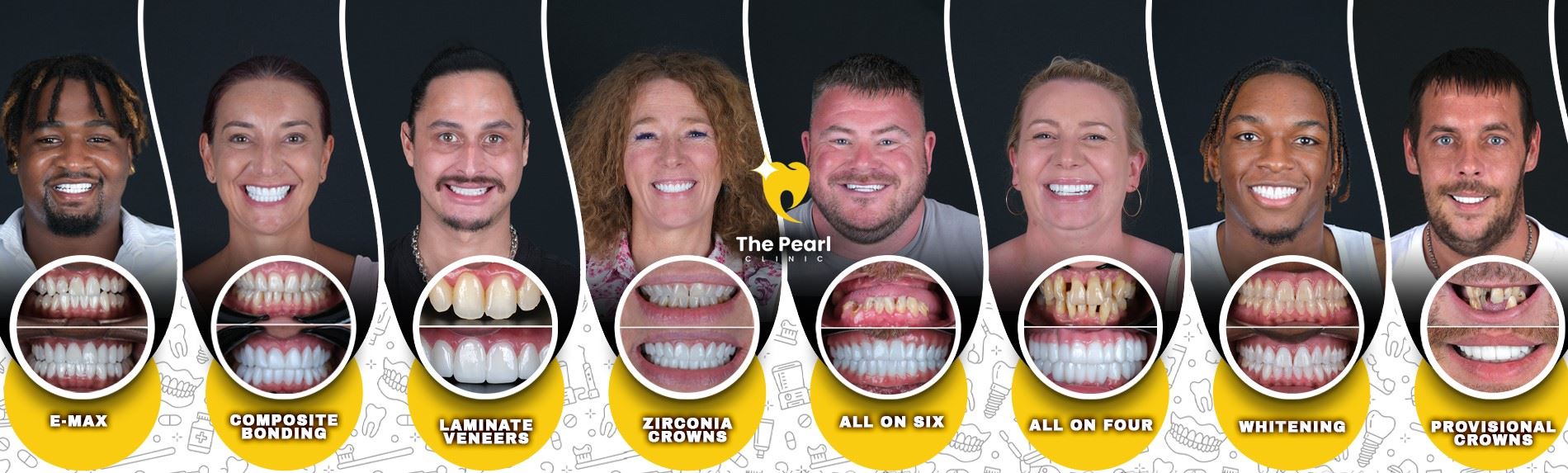
View All Cases →


8. Your First Visit, Step by Step
Knowing exactly what will happen takes away much of the fear. Here's what a first visit usually looks like:
Step 1 — A relaxed welcome
We start with a conversation, not the chair. Tell us about your fears, past experiences and what would help you feel comfortable.
Step 2 — A gentle examination
With your permission, the dentist takes a careful look and, if needed, X-rays or a quick digital scan. We explain what we're doing as we go — or keep quiet if you prefer.
Step 3 — Your plan, explained clearly
We talk through what we found, your options and how treatment could be paced — including any comfort or sedation options suitable for you.
Step 4 — You decide
No procedure is started without your consent. You can take time to think, ask more questions or start with the simplest step first.
The Friendly Faces You'll Meet
About Us →
Clinic Owner
Dt. Osman Cengiz
Dentist
Dt. İrem Nur Kılıç
Dentist
Dt. Sevilay Özge Yağcı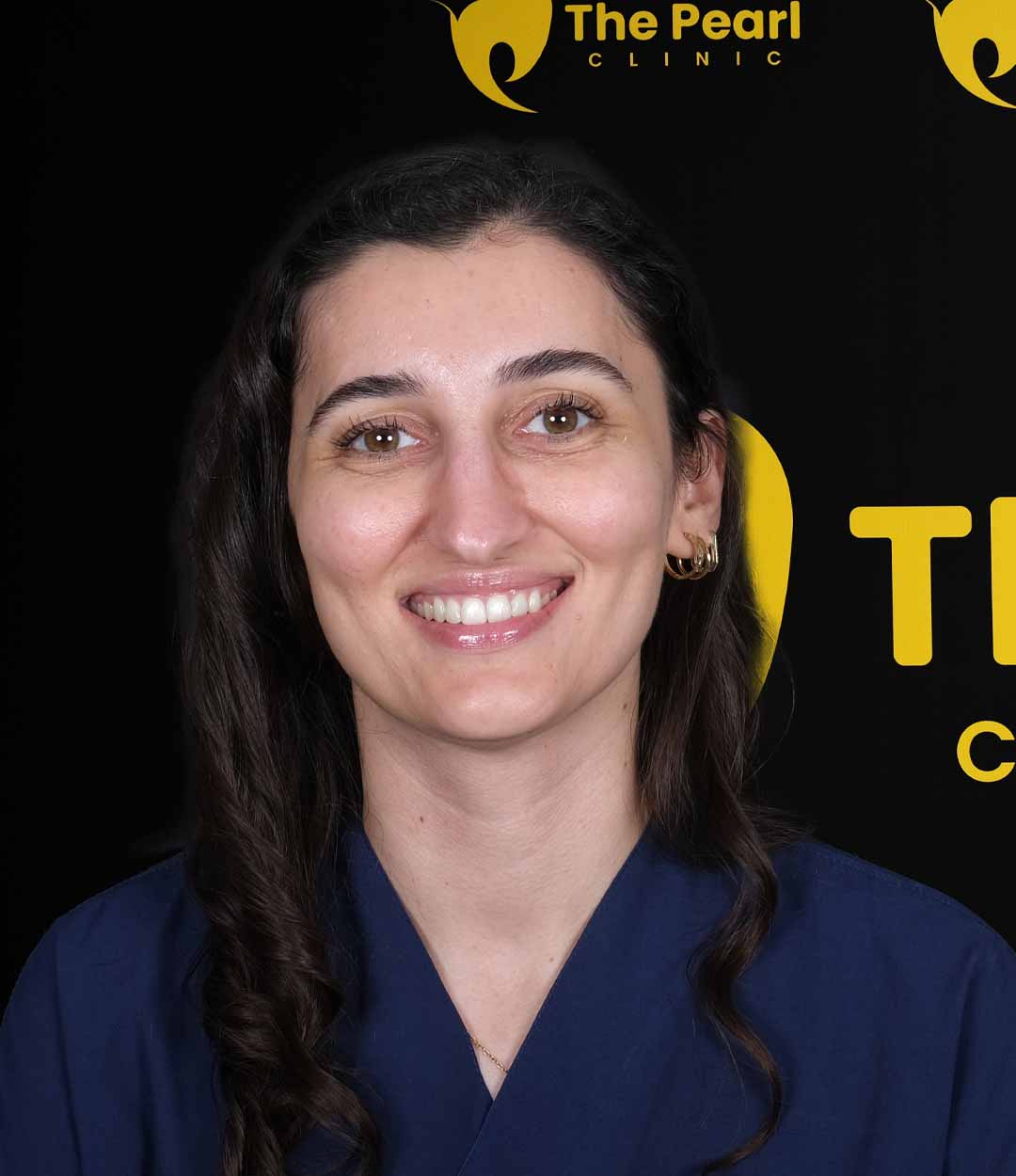
Dental Surgeon
Dt. Tuğba Taş Mammadov
Dentist
Dt. Seda Gür
General Manager
Ebru Kırcalıoğlu9. Nervous About Treatment Abroad? Tips for Your Trip
Travelling for treatment can add an extra layer of worry. These steps help many of our international patients feel more at ease:
- Talk to us before you book — share your fears and ask every question you have
- Meet us first at one of our UK dental meet-ups if you'd prefer a face-to-face chat
- Travel with a companion — especially if sedation is planned
- Build in rest days so nothing feels rushed
- Know your schedule in advance — every appointment, transfer and hotel detail
- Stay in touch with our coordinators on WhatsApp throughout your stay
Want to know more about how treatment in Antalya works? Read our guide to choosing a dental clinic in Turkey.
Why Nervous Patients Feel at Home With Us
Hear From Real Patients
More on YouTube →Many of our patients arrived nervous. Watch how their treatment journeys turned out at The Pearl Clinic Antalya.

Hollywood Smile Makeover
From the UK to Antalya
Shaun's 20-Crown Experience
OM3 Hollywood Smile
Natural-Looking Zirconia
Smile Makeover in Turkey
The Ultimate Transformation
Before & After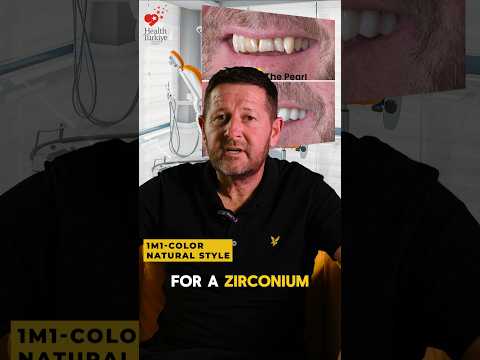
Real UK Patient Review
Zirconia Smile Makeover
This Smile Has the Force!
Zirconia Teeth in TurkeyHover to preview · Click to watch with sound

Prefer to Meet Us Face to Face First?
Join one of our dental meet-ups in selected UK cities. It's just a conversation — a relaxed way to meet our team and ask questions before deciding anything.
Book Your UK Appointment10. Frequently Asked Questions (FAQ)
Can I have dental treatment if I have severe anxiety?
Yes. With a gentle, step-by-step approach, calming techniques and, for suitable patients, conscious sedation, many people with severe dental fear can receive treatment comfortably. Tell us about your anxiety so we can plan around it.
I'm scared of injections. What can help?
We apply numbing gel to the gum first and give injections slowly and gently, which many needle-anxious patients find makes them barely noticeable. Let us know about your fear so we can take extra care and go at your pace.
Should I tell my dentist about my fear?
Absolutely. When your dental team knows you're anxious, they can explain more, go slower, agree a stop signal and suggest comfort options that suit you.
Is conscious sedation safe?
For suitable patients, conscious sedation is a well-established technique when it's given after a medical assessment and monitored by trained professionals. You remain able to breathe on your own and respond, and you'll need someone to accompany you afterwards.
Will I be asleep during sedation?
No. Conscious sedation helps you feel deeply relaxed and drowsy, and you may remember little of the treatment, but you're not unconscious as you would be under general anaesthesia.
Can I drive after sedation?
No. You shouldn't drive, drink alcohol or make important decisions for the rest of the day after sedation, and you'll need a responsible adult to accompany you.
Will dental treatment hurt?
With local anaesthesia, you shouldn't feel pain during treatment, although you may feel pressure or vibration. If you feel any pain, raise your hand and we'll stop and add more numbing.
What happens during the first visit?
Your first appointment usually begins with a conversation about your concerns, followed by a gentle examination and a clear explanation of your options. No procedures are started without your consent.
How can I overcome my fear of the dentist?
Start by talking about it. Agree a stop signal, try slow breathing, bring headphones or a companion, and consider splitting treatment into smaller steps. For severe phobia, talking therapies such as CBT can also help.
I had a bad experience before. How will this be different?
We take time to understand what happened and plan your care around it — explaining each step, moving at your pace and checking in with you throughout, so you can rebuild trust in dental care.
I'm embarrassed about the state of my teeth. Will I be judged?
Never. Dentists see every kind of situation, and our only goal is to help. Many of our patients hadn't seen a dentist for years before coming to us.
I have a strong gag reflex. What can you do?
For many treatments we use digital 3D scanning instead of traditional impression trays, and we can take short breaks, adjust your position and work in smaller steps to make things easier.
Can my treatment be split into shorter appointments?
Often, yes. Shorter sessions can be easier for anxious patients, and we'll plan the number and length of visits with you, taking your travel dates into account.
Can I bring someone with me to my appointment?
Yes. You're welcome to bring a friend or family member for support, and a companion is required if you're having sedation.
Is it a good idea to travel abroad for dental treatment if I'm anxious?
It can be, with the right preparation. Speak to the clinic beforehand, meet the team at a UK meet-up if possible, travel with a companion and make sure your schedule allows plenty of rest.
How do I take the first step?
Simply send us a message on WhatsApp. You can tell us what worries you, ask questions and share photos when you feel ready — there's no obligation to book anything.
The Hardest Step Is the First One — Let's Take It Together
You don't have to commit to anything today. Just send us a message, tell us what worries you, and we'll explain how we can make your dental care calmer and more comfortable.
Send Us a MessageThe Pearl Clinic Antalya — Gentle, Patient-Centred Dentistry in Antalya, Türkiye | About Us | Contact Us
info@thepearlclinicantalya.com | +44 20 4652 4100 | Instagram | Facebook | YouTube | TikTok
This article is for general information and does not replace professional dental or medical advice. Suitability for sedation is assessed individually.