How to Floss Properly: A Dentist’s Step-by-Step Guide
How to Floss Properly: The Complete Guide to Cleaning Between Your Teeth
Brushing cleans most of your teeth — but not the spaces between them. Learn how to floss step by step, which tools work best for you, why gums bleed at first, and how to care for crowns, veneers and implants.

Your toothbrush can't reach everywhere. The tight spaces between your teeth — and the area just below the gumline — are exactly where plaque likes to hide, and where gum disease and many cavities begin. Gum disease is very common in adults, yet much of it can be prevented with one simple daily habit: cleaning between your teeth. Whether you have natural teeth, veneers, crowns or implants, this guide shows you how to do it properly.
1. Why Cleaning Between Your Teeth Matters

Each tooth has five surfaces, and brushing cleans only three of them well. The two sides that face neighbouring teeth stay largely untouched — so plaque builds up, hardens into tartar and irritates the gums.
- Prevents gum disease — removing plaque at the gumline reduces inflammation and bleeding
- Helps prevent cavities between teeth — a common place for decay to start unseen
- Fresher breath — trapped food and bacteria are a major cause of bad breath
- Protects dental work — crowns, veneers and implants last longer when the gums around them stay healthy

How to Floss Properly
Watch on YouTube2. Floss, Interdental Brushes or Water Flossers?
There's no single "best" tool — the right one depends on the size of the gaps between your teeth and any dental work you have.
| Tool | Best For | Good to Know |
|---|---|---|
| Traditional floss | Tight contacts between natural teeth | Waxed floss slides more easily |
| Dental tape | Slightly wider gaps; people who find floss uncomfortable | Wider and flatter than floss |
| Interdental brushes | Larger gaps, gum recession, bridges and implants | Choose a size that fits snugly without forcing |
| Super floss | Bridges, implants and braces | Stiff end threads under the bridge |
| Floss picks | Travel and convenience | Harder to curve around each tooth |
| Water flosser | Implants, All-on-4/6, braces, limited dexterity | Great extra help — but doesn't replace mechanical cleaning for everyone |
Your dentist or hygienist can recommend the right sizes and tools at your check-up.
Bleeding Gums or Gum Concerns?
Send us a photo and describe your symptoms. Our team will tell you whether a check-up or professional cleaning could help.
3. How to Floss Properly, Step by Step
Step 1 — Take enough floss
Break off about 45 cm (18 inches). Wind most of it around one middle finger and the rest around the other.
Step 2 — Hold it firmly
Pinch the floss between your thumbs and index fingers, leaving a few centimetres to work with.
Step 3 — Ease it between the teeth
Guide the floss gently with a back-and-forth motion. Never snap it down onto the gum.
Step 4 — Make a "C" shape
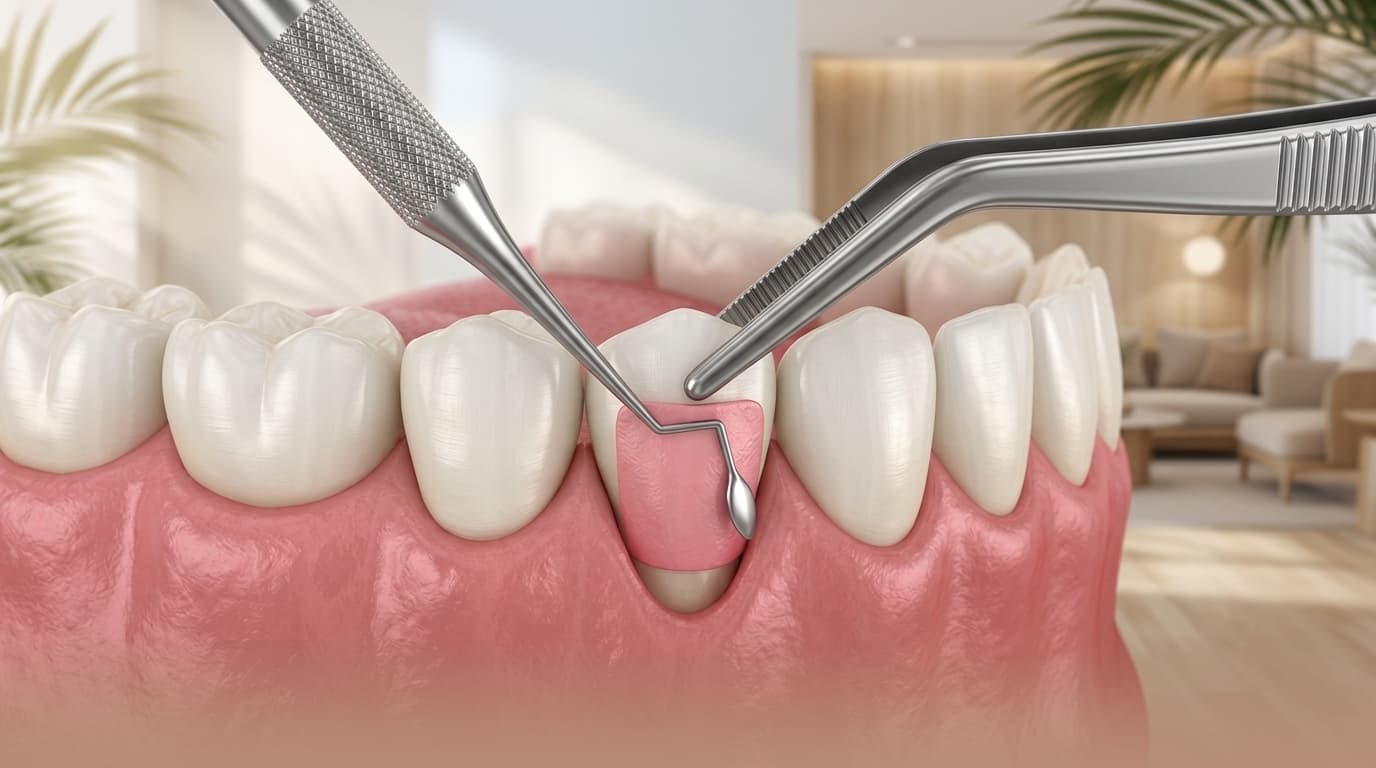
Curve the floss around one tooth and slide it gently just below the gumline, then up and down the side of the tooth. Repeat on the neighbouring tooth.
Step 5 — Use a clean section each time
Unwind fresh floss as you move from tooth to tooth so you don't move bacteria around.
Step 6 — Don't forget the back teeth
Clean behind the last molar on each side too — it's one of the most commonly missed areas.
4. When and How Often Should You Floss?
Clean between your teeth once a day. Many dentists suggest doing it before brushing, so the fluoride in your toothpaste can reach the spaces you've just cleaned — but the most important thing is doing it consistently, at a time that suits you.
5. Why Do My Gums Bleed When I Floss?
Bleeding is usually a sign of gum inflammation (gingivitis) caused by plaque — not a reason to stop. With gentle daily cleaning, bleeding often settles within a week or two as the gums become healthier.
6. Flossing With Crowns, Veneers and Implants
Dental work doesn't decay, but the gums and tooth structure around it can still develop problems. Cleaning between your teeth is one of the best ways to protect your investment.
Crowns and veneers
Floss as you would natural teeth, sliding gently at the edges near the gumline. If floss catches or shreds, let your dentist check the margin. Learn more about zirconia crowns and veneers.
Implants, bridges and All-on-4 / All-on-6
Implants need careful cleaning because the tissue around them can become inflamed (peri-implantitis). Useful tools include:
- Super floss to thread under bridges and implant crowns
- Interdental brushes with a plastic-coated wire for gaps around implants
- A water flosser to clean under full-arch bridges such as All-on-4 and All-on-6
- Regular professional cleaning and check-ups
Our implant cleaning and aftercare guide explains this in detail.
Planning Treatment in Antalya?
Every patient leaves with personalised aftercare advice — including the right cleaning tools for your new teeth.
7. Common Flossing Mistakes
| Mistake | Why It Matters | Do This Instead |
|---|---|---|
| Snapping floss onto gums | Can cut and irritate the gums | Ease it in with a gentle back-and-forth motion |
| Only going up and down the middle | Misses the tooth surfaces | Curve into a "C" shape around each tooth |
| Reusing the same section | Moves bacteria between teeth | Use a fresh section for each gap |
| Skipping back molars | Plaque builds up where it's hardest to reach | Include the back of the last teeth |
| Stopping because gums bleed | Inflammation continues | Keep flossing gently; see a dentist if it lasts |
| Ignoring implants and bridges | Risk of gum inflammation around dental work | Use super floss, interdental brushes or a water flosser |
Coffee lover? Our guide to removing coffee stains pairs well with a good cleaning routine, and our eco-friendly dental care guide suggests refillable floss options.
Meet Our Team
About Us →
Clinic Owner
Dt. Osman Cengiz
Dentist
Dt. İrem Nur Kılınç
Dentist
Dt. Sevilay Özge Yağcı
Dental Surgeon
Dt. Tuğba Taş Mammadov
Dentist
Dt. Seda Gür
General Manager
Ebru KırcalıoğluA Trusted Choice for UK Patients
Real Patient Smile Journeys
More on YouTube →Healthy gums help new smiles last. See how UK patients transformed their smiles at The Pearl Clinic Antalya.

Hollywood Smile Makeover
From the UK to Antalya
Shaun's 20-Crown Experience
OM3 Hollywood Smile
Natural-Looking Zirconia
Smile Makeover in Turkey
The Ultimate Transformation
Before & After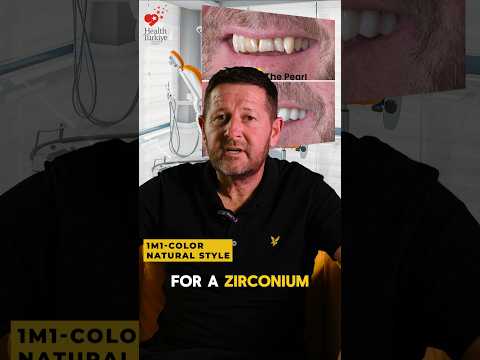
Real UK Patient Review
Zirconia Smile Makeover
This Smile Has the Force!
Zirconia Teeth in TurkeyHover to preview · Click to watch with sound

Meet Our Team in the UK
Join a face-to-face dental meet-up in selected UK cities to ask about gum health, cleaning tools or treatment options before you travel.
Book Your UK Appointment8. Frequently Asked Questions (FAQ)
Do I really need to floss every day?
Yes. Cleaning between your teeth once a day removes plaque your toothbrush can't reach and helps prevent gum disease, cavities between teeth and bad breath.
Should I floss before or after brushing?
Many dentists suggest flossing before brushing so fluoride from your toothpaste can reach the spaces you've just cleaned. The most important thing is to do it consistently once a day.
How long should a piece of floss be?
About 45 cm (18 inches) is usually enough, so you can use a clean section for each gap between your teeth.
Why do my gums bleed when I floss?
Bleeding is usually a sign of gum inflammation caused by plaque. With gentle daily cleaning it often settles within one to two weeks. If bleeding continues, see a dentist.
Is a water flosser better than floss?
A water flosser is a helpful extra, especially for implants, bridges and braces, but it doesn't replace mechanical cleaning for everyone. Your dentist can advise which combination suits you.
Are interdental brushes better than floss?
For larger gaps, gum recession, bridges and implants, interdental brushes are often more effective. For tight contacts between natural teeth, floss usually works best.
Which floss is best for implants?
Super floss, interdental brushes with plastic-coated wire and water flossers are all useful around implants. Regular professional cleaning is also important.
How do I clean under All-on-4 or All-on-6 bridges?
A water flosser and super floss help clean under full-arch bridges. Your dentist will show you the best technique and recommend regular professional check-ups.
Can I floss with veneers and crowns?
Yes. Floss gently as you would with natural teeth, taking care at the edges near the gumline. If floss catches or shreds, ask your dentist to check the restoration.
Can flossing whiten my teeth?
Not directly, but removing plaque and debris between teeth keeps them cleaner and can make your smile look brighter.
Can flossing damage my gums?
Not when done gently. Snapping floss onto the gums can irritate them, so ease it in with a gentle back-and-forth motion and curve it around each tooth.
Are floss picks as good as regular floss?
Floss picks are convenient, especially for travel, but it's harder to curve them around each tooth. Regular floss usually cleans more thoroughly.
How do I care for my teeth after treatment in Antalya?
Every patient receives personalised aftercare advice, including the right cleaning tools for their new teeth. Our team stays in touch on WhatsApp after you return home.
Healthy Gums, Lasting Smiles
A few minutes of cleaning between your teeth each day protects your gums — and any dental work you have. Have questions about your gums or a treatment you're considering? Send us a message today.
Start My Free ConsultationThe Pearl Clinic Antalya — Dental Implants & Advanced Dentistry in Antalya, Türkiye | About Us | Contact Us
info@thepearlclinicantalya.com | +44 20 4652 4100 | Instagram | Facebook | YouTube | TikTok
This article is for general information and does not replace a professional dental examination.