Gum Disease Treatment: Types, Causes & Prevention
Gum Disease Treatment: Types, Causes, Symptoms and Prevention
Bleeding gums are not "normal" — and gum disease is often painless until real damage is done. Learn how to spot gingivitis and periodontitis early, which treatments work at each stage, and how to keep your gums healthy for life.

Gum disease is one of the most common oral health problems, affecting the tissues that support and protect your teeth. It can begin as mild gum inflammation and progress to serious damage if left untreated. The good news: early diagnosis, the right gum disease treatment and consistent oral hygiene can help control the condition and protect your long-term oral health. Because gum disease often causes no pain in its early stages, regular dental examinations matter — even when your teeth and gums seem healthy.
1. What Is Gum Disease?
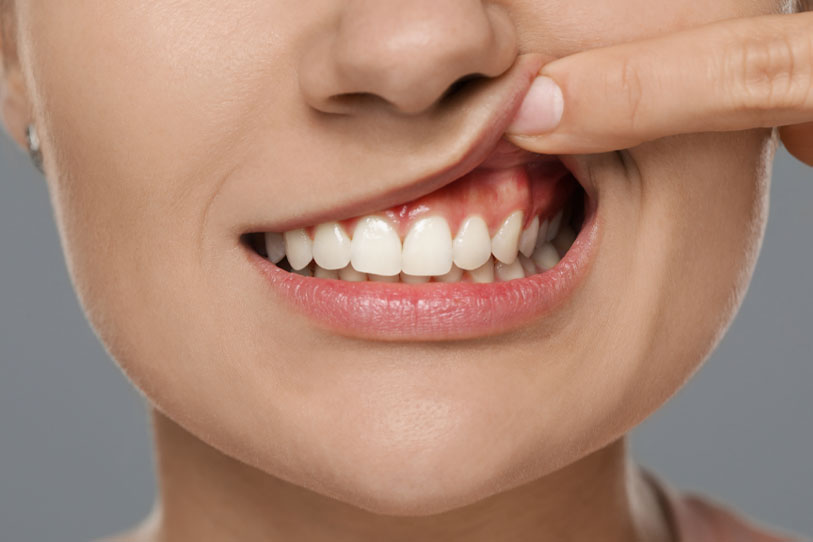
Gum disease, also known as periodontal disease, affects the gums and the supporting structures around the teeth — including the periodontal ligament and the alveolar bone, which keep teeth stable.
It commonly develops when plaque, a sticky film containing bacteria, builds up around the teeth and along the gumline. If plaque is not removed effectively, it irritates the gums and triggers inflammation. Over time, untreated inflammation may progress and damage the tissues and bone that hold your teeth in place.
There are two main stages of gum disease: gingivitis and periodontitis. Understanding the difference is essential, because the right treatment depends on how far the condition has progressed.
| Gingivitis | Periodontitis | |
|---|---|---|
| What is affected | The gums only | Gums, periodontal ligament and supporting bone |
| Typical signs | Red, swollen gums that bleed when brushing | Pockets, gum recession, bad breath, loose or shifting teeth |
| Permanent damage | Usually none | Bone and tissue loss may be permanent |
| Reversible? | Generally yes, with good plaque control and professional cleaning | Can often be stabilised, but lost tissue may not fully return |
| Typical treatment | Professional cleaning and improved oral hygiene | Scaling and root planing, possible surgery, long-term maintenance |
Noticed Bleeding or Swollen Gums?
Don't wait for pain. Message our team to describe your symptoms and find out which assessment may be right for you.
2. What Are the Different Types of Gum Disease?
Gum disease can take different forms and progress at different rates. The most common conditions are gingivitis and periodontitis, although periodontal problems can also occur alongside certain medical conditions or other local factors.
2.1 Gingivitis: Early Gum Disease
Gingivitis is inflammation of the gums, most commonly caused by plaque around the teeth. When bacteria remain along the gumline, the body's inflammatory response can make the gums red, swollen and more likely to bleed during brushing or flossing.
Common symptoms of gingivitis include:
- Red or swollen gums
- Bleeding while brushing or cleaning between the teeth
- Tenderness around the gumline
- Persistent bad breath
- Changes in the appearance of the gums
2.2 Periodontitis: Advanced Gum Disease
Periodontitis develops when inflammation spreads to the tissues supporting the teeth, causing progressive destruction of the periodontal ligament and alveolar bone. As it advances, spaces called periodontal pockets may form between the teeth and gums. These pockets harbour bacteria and become increasingly difficult to clean with a toothbrush alone.
Symptoms may include:
- Receding gums that make teeth appear longer
- Persistent bad breath or an unpleasant taste
- Loose or shifting teeth
- Changes in the way the teeth fit together when biting
- Pus or discharge around the gums in some cases
- Increasing spaces between teeth
- Discomfort when chewing in more advanced cases
Periodontitis does not always cause pain, so significant damage may occur before a person realises treatment is needed. Treatment aims to control the infection, reduce periodontal pockets, preserve the remaining supporting tissues and prevent further tooth loss — through scaling and root planing, ongoing periodontal maintenance, selected medications or periodontal surgery when indicated.
2.3 Aggressive or Rapidly Progressing Periodontitis
Some patients experience periodontal destruction at a relatively young age, or the disease progresses faster than expected. Genetic susceptibility, immune responses, smoking and other risk factors may influence how the condition develops.
The term aggressive periodontitis comes from older classifications. Modern classifications assess periodontitis by its stage, grade, severity and rate of progression. A rapidly progressing form may cause substantial bone loss over a relatively short period — but age alone cannot determine whether someone has it.
2.4 Chronic Periodontitis
Chronic periodontitis was traditionally used to describe periodontal disease that progresses over time and is commonly found in adults. Although the term is still familiar to many patients, current classifications consider the amount of tissue damage, the complexity of treatment and the expected rate of progression.
Periodontitis can develop gradually with few obvious symptoms. Regular examinations and periodontal measurements help identify changes before more supporting tissue is lost. Treatment may include professional removal of plaque and tartar, root surface cleaning, risk-factor management and long-term maintenance appointments.
2.5 Other Conditions That Affect the Gums
Not every gum problem is caused by plaque-induced periodontal disease. Gum inflammation can also be linked to hormonal changes, certain medications, immune-related conditions or specific oral infections. Hormonal changes during puberty or pregnancy can make gums more sensitive to plaque; some medications may contribute to gum enlargement; and poorly controlled diabetes can increase the risk of periodontal disease and make treatment more challenging.
Persistent, unusual or painful gum changes should be assessed by a dental professional rather than treated with home remedies alone.
3. What Causes Gum Disease?
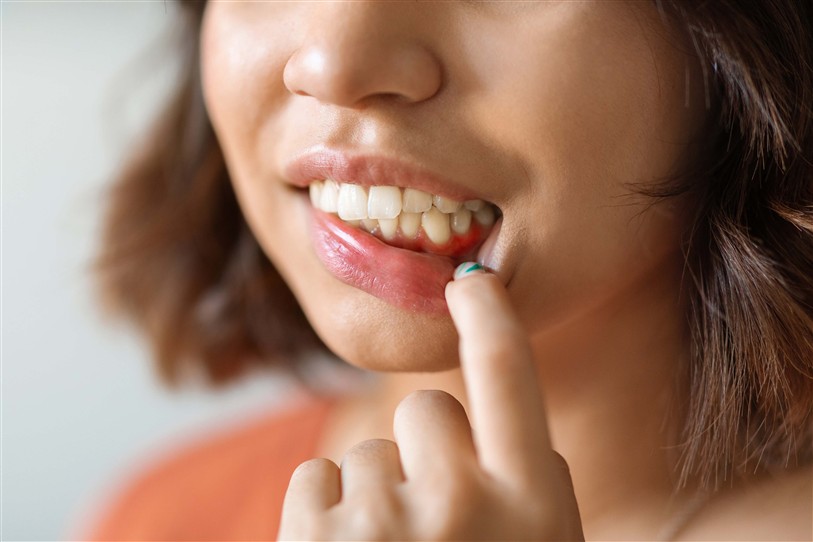
The main cause of plaque-induced gum disease is bacterial plaque building up around the teeth and gumline. Several other factors can increase your risk or make existing disease harder to control.
Poor oral hygiene
Inadequate brushing and cleaning between the teeth allow plaque to accumulate. Left on the teeth, plaque hardens into tartar (dental calculus), which ordinary brushing cannot remove — it generally requires professional cleaning.
Smoking and tobacco use
Smoking is an important risk factor for periodontitis. It impairs the body's response to infection, interferes with healing and increases the risk of treatment complications. It can also reduce visible gum bleeding, so symptoms may not reflect how serious the underlying condition is. Quitting supports periodontal health and improves the prospects of successful treatment.
Genetic susceptibility
Some people are more susceptible because of genetic and individual biological factors, so a family history of severe gum disease is worth mentioning at your examination. Susceptibility does not make gum disease inevitable — good hygiene, monitoring and risk-factor management still matter.
Diabetes and general health
Diabetes, particularly when blood glucose is poorly controlled, is associated with a higher risk of periodontal disease, and the two conditions can influence each other — so coordinated management is important. Other health conditions and certain medications may also affect gum health, immune responses or healing.
Hormonal changes
Pregnancy, puberty and other life stages can make gum tissue more responsive to plaque, increasing the likelihood of swelling, tenderness and bleeding. Good oral hygiene and appropriate dental appointments help manage these changes.
Stress and nutrition
Stress can affect oral hygiene routines, smoking habits, sleep and other behaviours that influence oral health. A balanced diet supports general health and normal tissue maintenance — but diet alone cannot remove established tartar or treat advanced periodontitis.
Plaque-retentive factors
Crowded teeth, poorly fitting restorations and other hard-to-clean areas encourage plaque build-up. Correcting these problems where appropriate can make daily oral hygiene more effective.
4. What Are the Symptoms of Gum Disease?
Recognising gum disease symptoms early can help prevent more serious complications. Watch for these warning signs:
- Bleeding gums: bleeding during brushing, flossing or eating hard foods may indicate inflammation.
- Redness and swelling: healthy gums are generally firm and not persistently swollen.
- Persistent bad breath: ongoing unpleasant breath or taste may be linked to plaque or periodontal pockets.
- Gum recession: the gumline moves away from the teeth, exposing more of the tooth surface.
- Loose teeth: teeth may become mobile as their supporting tissues and bone are damaged.
- Changes in your bite: your teeth may begin to fit together differently.
- Pus around the gums: this may indicate an infection requiring prompt assessment.
These symptoms do not establish a diagnosis on their own. A dentist can examine the gums, measure periodontal pockets and assess the supporting bone where necessary.
Why Patients Trust The Pearl Clinic Antalya
5. Gum Disease Treatment Options
The most suitable gum disease treatment depends on whether the condition is gingivitis, periodontitis or another gum disorder. Treatment also considers how much supporting tissue has been damaged, your general health and any contributing risk factors.
5.1 Professional Dental Cleaning
Professional cleaning removes plaque and tartar from tooth surfaces, including areas that routine brushing cannot reach. It is commonly recommended for gingivitis and may also form part of ongoing periodontal care. How often you need it depends on your individual needs: some patients benefit from routine preventive appointments, while others need more frequent maintenance because of their periodontal condition.
5.2 Scaling and Root Planing
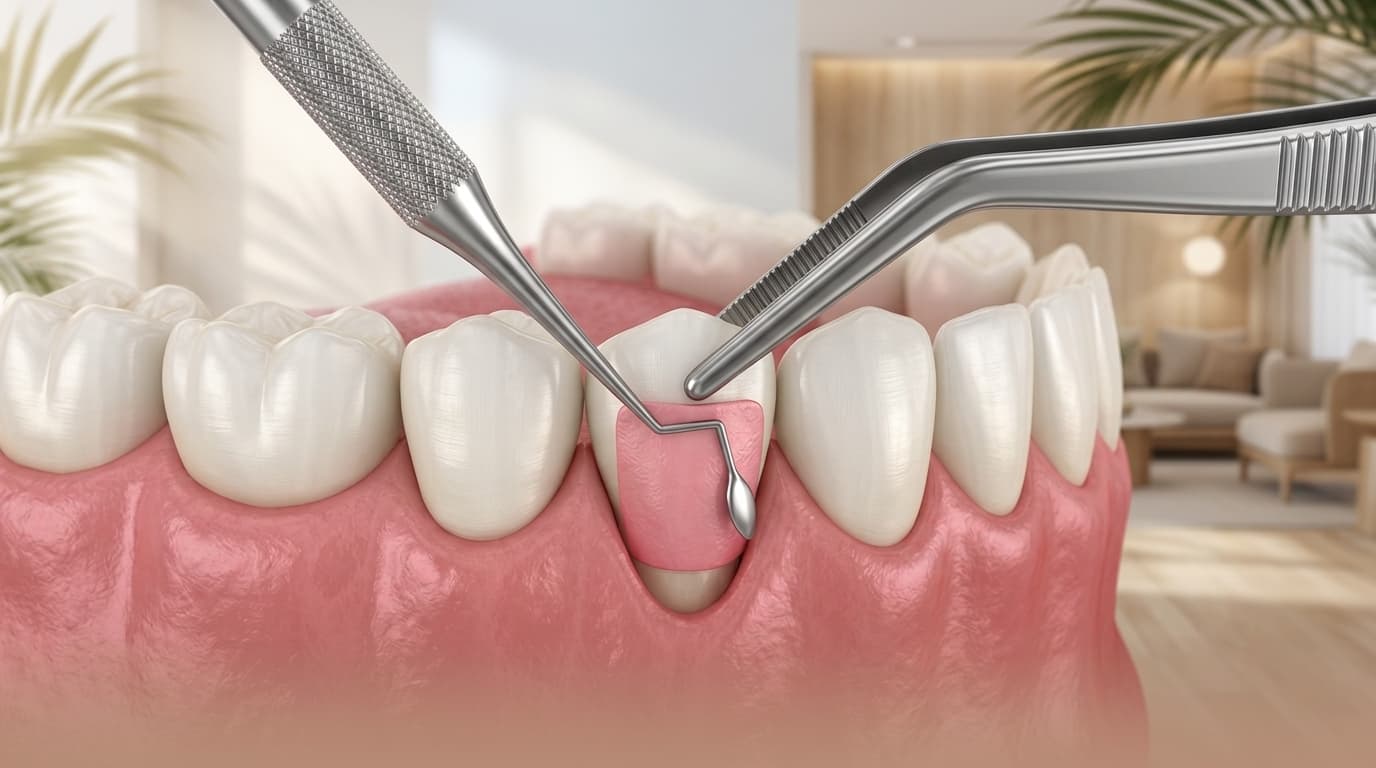
Scaling and root planing — often called a deep cleaning — is a non-surgical periodontal treatment that removes plaque and tartar from beneath the gumline and cleans the affected root surfaces. It helps reduce bacterial deposits and inflammation, and may be carried out under local anaesthesia depending on pocket depth and your comfort.
Afterwards, the gums may feel tender or teeth may be more sensitive to hot and cold for a while; these effects often improve as the tissues heal. A follow-up examination is important to check how the gums have responded and whether further treatment is needed.
5.3 Antibiotics and Other Medications
Antibiotics are not needed for every case of gum disease — mechanical removal of plaque and tartar is usually central to treatment. In selected cases, a dentist or periodontist may prescribe systemic antibiotics or use a locally delivered antimicrobial as an additional measure, depending on the diagnosis, severity and your medical circumstances.
5.4 Periodontal Surgery
If deep pockets remain after non-surgical treatment, periodontal surgery may be considered. Depending on the condition, options may include:
Flap surgery
The gums are carefully lifted to give access to deeper deposits and affected areas.
Regenerative procedures
Selected techniques may help regenerate some lost supporting tissue in suitable cases.
Soft-tissue grafting
Gum tissue may be added to selected areas to cover exposed roots or increase the amount of protective gum tissue.
Pocket-reduction procedures
These aim to improve access for cleaning and help manage persistent periodontal pockets.
Not every patient needs surgery. The decision depends on the clinical findings, your response to initial treatment and the expected benefits and limitations of each procedure.
5.5 Long-Term Periodontal Maintenance
Periodontitis often needs ongoing care even after active treatment is complete. Maintenance appointments let the dental team monitor gum health, check pocket depths, remove new deposits and spot early signs of recurrence. The interval between visits depends on your risk profile and treatment response — and consistent maintenance is one of the most important ways to reduce the risk of further damage.

Worried About Your Gums? Talk to Us in Person
Meet our team face-to-face at a UK Dental Meet-Up event to discuss your symptoms, your treatment options and the next steps.
Book Your UK Appointment6. How to Prevent Gum Disease
Preventing gum disease starts with daily plaque control and regular professional care. These simple habits make a meaningful difference:
1. Brush your teeth twice a day
Brush for about two minutes twice daily with a fluoride toothpaste. Use a soft-bristled brush and a gentle technique, angle the bristles towards the gumline and clean every tooth surface. Replace your brush or brush head when the bristles become worn.
2. Clean between your teeth daily
A toothbrush cannot reach every surface between the teeth. Use floss or correctly sized interdental brushes; your dentist can recommend the best option for your spaces, restorations and gum condition.
3. Attend regular dental check-ups
Routine examinations help identify gingivitis, tartar and early periodontitis. If you have a history of gum disease, you may need more frequent periodontal reviews — your schedule should be based on your individual needs, not a fixed interval.
4. Avoid smoking
Avoiding tobacco, or getting support to quit, improves your overall health and removes an important risk factor for periodontal disease.
5. Maintain a balanced diet
Eat a varied diet with vegetables, fruit, whole grains and protein, and limit frequent sugary foods and drinks. A healthy diet complements — but does not replace — brushing, interdental cleaning and professional care.
6. Manage medical risk factors
If you have diabetes or another condition that affects healing, discuss your oral health with both your dentist and your doctor. Managing underlying conditions can support periodontal treatment.
7. Don't ignore bleeding gums
Avoiding a bleeding area lets even more plaque build up. Keep cleaning gently and effectively — and if bleeding persists, arrange an assessment to find the cause.
7. Can Gum Recession Be Treated?
Gum recession occurs when the gumline moves away from the tooth, exposing part of the root. It may be linked to periodontitis, aggressive brushing, thin gum tissue, tooth position or other local factors. Signs include teeth that look longer, sensitivity to hot or cold and visible root surfaces.
The right treatment depends on the cause and severity:
- Treating gum disease: where periodontitis is present, controlling inflammation and preventing further tissue damage come first.
- Improving brushing technique: gentle brushing with a soft-bristled toothbrush helps avoid further mechanical irritation.
- Managing tooth sensitivity: your dentist may recommend a desensitising toothpaste or other suitable treatment.
- Gum grafting: in selected cases, a surgical graft can cover exposed roots or increase protective gum tissue.
8. What Happens If Gum Disease Is Left Untreated?
Untreated gum disease can progress from reversible inflammation to permanent damage of the tissues that support the teeth. Potential complications include:
- Increasing periodontal pocket depth
- Progressive loss of supporting bone
- Gum recession and exposed tooth roots
- Persistent bad breath
- Loose or shifting teeth
- Difficulty chewing comfortably
- Tooth loss in advanced cases
Severe periodontal disease can also complicate future restorative treatment such as crowns, bridges or implants, because healthy supporting tissue and bone are essential when planning these procedures.
9. Gum Health Self-Check
If you can tick any of these, it's time to arrange a dental assessment:
- My gums bleed when I brush, floss or eat hard foods
- My gums look red, puffy or swollen
- I have bad breath or a bad taste that doesn't go away
- My teeth look longer, or roots are showing
- A tooth feels loose, or my bite feels different
- I see pus or discharge around a tooth
- I smoke, have diabetes or have a family history of gum disease
- It's been more than a year since my last dental check-up
Ticked a Box? Get Personalised Advice
Send us a message with your symptoms and, if you have them, recent photos or X-rays. We'll explain your options and the next steps, and can prepare a treatment quote after assessment.
10. Frequently Asked Questions (FAQ)
What is the best treatment for gum disease?
The best treatment depends on the type and severity of the condition. Gingivitis often improves with professional cleaning and effective oral hygiene. Periodontitis may require scaling and root planing, additional periodontal procedures and regular maintenance.
Can gum disease be cured completely?
Gingivitis is generally reversible when plaque is controlled and the inflammation resolves. Periodontitis can often be stabilised with appropriate treatment, but previously lost supporting bone and tissue may not return to their original condition. Long-term monitoring is usually important.
Why do my gums bleed when I brush my teeth?
Bleeding during brushing can be a sign of gum inflammation caused by plaque. It may also occur because of brushing trauma, certain medications or other conditions. Persistent or unexplained bleeding should be assessed by a dentist.
Is gum disease painful?
Not always. Gingivitis and even some cases of advanced periodontitis may cause little or no pain. Other symptoms, such as bleeding, swelling, bad breath, recession or loose teeth, may appear first.
Can gum disease cause tooth loss?
Yes. Advanced periodontitis can destroy the tissues and bone that support the teeth. If the damage becomes severe, teeth may loosen and eventually need to be removed. Early diagnosis and appropriate treatment can help reduce this risk.
Are gum disease and gingivitis the same thing?
Not exactly. Gingivitis is the earliest form of gum disease: inflammation limited to the gums that generally does not cause permanent loss of the supporting bone. Periodontitis is the advanced form, involving destruction of the supporting tissues, and requires more comprehensive treatment.
Is gum disease contagious?
Periodontal disease is not generally considered directly contagious in the way an ordinary respiratory infection is. However, bacteria associated with periodontal disease can be shared between people through saliva. Whether gum disease develops also depends on individual susceptibility, oral hygiene and other risk factors.
Can pregnancy cause gum disease?
Hormonal changes during pregnancy can make the gums more sensitive to plaque and increase the likelihood of inflammation and bleeding. Maintaining oral hygiene and attending appropriate dental appointments can help manage these changes. Pregnant patients should inform their dental team so that care can be planned appropriately.
Can gum recession grow back naturally?
No. Gum tissue that has receded generally does not grow back on its own. Treatment may help control the underlying cause, reduce sensitivity and, in selected cases, cover exposed roots with periodontal surgery.
How often should I have my teeth professionally cleaned?
The appropriate interval depends on your oral health, tartar build-up and periodontal risk. Some patients need routine preventive cleaning, while those with a history of periodontitis may require more frequent periodontal maintenance.
Can I treat gum disease at home?
Daily brushing, interdental cleaning and other recommended oral hygiene measures can help prevent gum disease and control early plaque-related inflammation. However, home care cannot remove established tartar beneath the gums or reliably treat advanced periodontitis. Professional assessment is important when symptoms persist.
Can I get dental implants if I have gum disease?
Active gum disease should generally be treated and brought under control before implants or other major restorative work is planned, because healthy gums and supporting bone are important for long-term success. Your dentist will assess your periodontal health and advise on the right sequence of treatment.
When should I see a dentist about gum disease?
Arrange a dental appointment if you experience persistent bleeding, swollen gums, gum recession, ongoing bad breath or changes in tooth stability. Seek urgent care if you develop facial swelling, fever or other signs of a spreading infection.
Protect Your Gum Health With Professional Care
Healthy gums are essential for keeping your natural teeth and supporting every future restoration. From professional cleaning and scaling and root planing to advanced periodontal procedures, treatment should be tailored to you — so if you're concerned about bleeding gums, inflammation, recession or loose teeth, start with an assessment.
Chat on WhatsAppThe Pearl Clinic Antalya — Dental Implants & Advanced Dentistry in Antalya, Türkiye | About Us
info@thepearlclinicantalya.com | +44 20 4652 4100 | Instagram | Facebook | YouTube | TikTok
Medical disclaimer: This article is intended for general educational purposes and does not replace a professional dental examination, diagnosis or personalised treatment plan. Treatment options and outcomes vary from person to person. A qualified dental professional should assess your individual needs before recommending treatment.