Turkey Teeth: The Truth Behind Viral Trends & Medical Reality 2026
Turkey Teeth: The Truth Behind the Viral Trend and the Medical Reality in 2026
Crowns or veneers? Zirconia or E-max? How much tooth structure is removed, what does it cost, and how do you choose a clinic safely? A dentist in Antalya explains what the social-media term actually means.

The term "Turkey Teeth" has taken the world by storm, dominating social feeds, newspapers and online discussions from London to New York. For some people it represents an affordable route to a brighter, more symmetrical smile. For others it has become associated with aggressive tooth preparation and overly white crowns. This guide moves past the viral images and focuses on what actually matters: diagnosis, clinical planning, materials, preservation of natural teeth and long-term oral health.
1. What Exactly Are "Turkey Teeth"?
"Turkey Teeth" is primarily a social-media and popular-media term rather than a specific dental treatment. In most discussions, the phrase refers to cosmetic dental treatment performed in Turkey, and particularly to dental crowns or veneers used to create a whiter, more uniform smile.
Depending on the patient's individual condition, a smile makeover may involve:
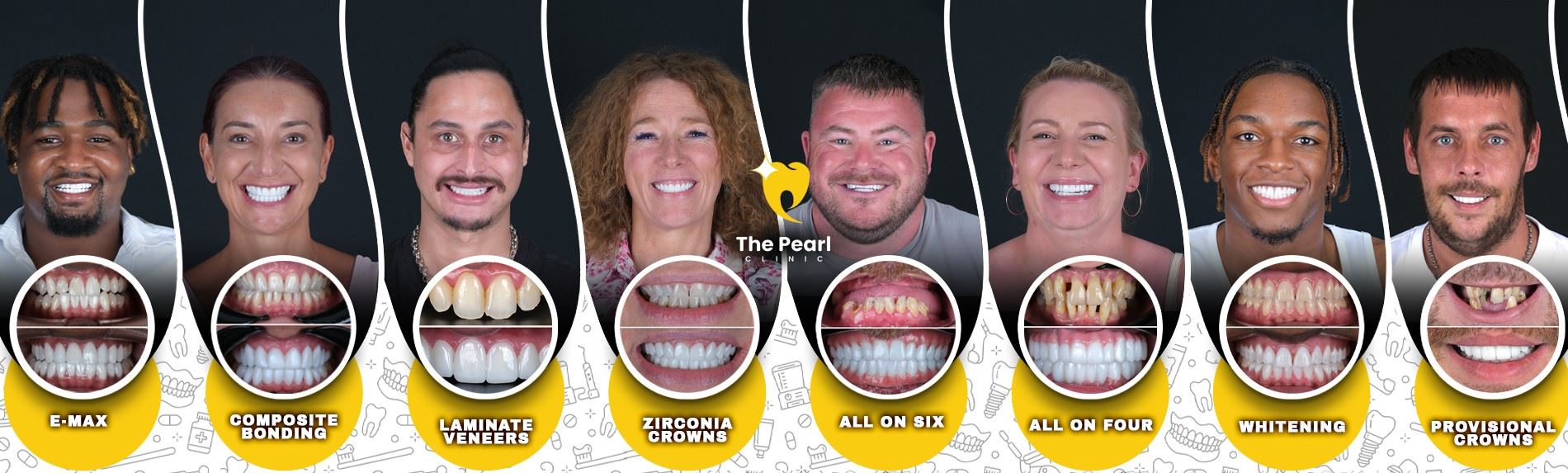
- Zirconia crowns
- E-max restorations
- Porcelain veneers
- Composite bonding
- Dental implants
- Gum treatment
- Tooth whitening
- Orthodontic treatment
- A combination of restorative and cosmetic procedures
As Founder and Medical Director of The Pearl Clinic Antalya, I believe the conversation should move beyond social-media images and focus on clinical planning, diagnosis, materials, preservation of natural teeth and long-term oral health. The quality of your experience does not depend simply on the country you visit. It depends on the dentist, the diagnosis, the treatment plan, the materials, the laboratory, the clinical protocol and the aftercare.
Is a Smile Makeover Right for You?
Send your dental photos to our senior clinic team and receive a medical-grade smile assessment without leaving your home.
2. Why Has the Trend Become So Popular?
Antalya in particular has become internationally recognised as a destination for dental tourism, because patients can combine access to dental treatment with accommodation, transfers and a Mediterranean holiday environment. Turkey has developed a significant dental sector, with modern dental laboratories, digital dentistry and experienced dental professionals, and treatment costs that can be considerably different from those in countries such as the UK.
Other factors behind the trend include:
- Modern digital dentistry and digital smile planning
- Advanced dental laboratories and CAD/CAM production
- Experienced dental professionals and cosmetic dentistry expertise
- Competitive treatment costs
- International patient services in English
- Zirconia and ceramic restorative materials
- All-inclusive treatment packages offered by some clinics
However, affordability should never replace clinical assessment. A lower treatment price does not automatically mean better value, and a higher price does not automatically guarantee better treatment. The key question is always the same: what exactly is being done to your teeth, and why?
3. The Viral "Filed Down Teeth" Image: What Is the Reality?
One of the most recognisable images associated with the trend is the photograph of heavily prepared teeth appearing like small pegs. This image has contributed significantly to the negative perception of dental tourism. But it is important to understand that tooth preparation is not the same for every patient or every restoration.
The amount of tooth preparation required depends on factors such as:
- The type of restoration
- Existing fillings and previous dental work
- Tooth position and tooth colour
- The desired final shape
- Available restorative space
- Bite and occlusion
- The condition of the enamel
- The material selected
At The Pearl Clinic Antalya, our philosophy is centred on preserving healthy natural tooth structure whenever clinically possible. Our approach focuses on conservative and minimally invasive dentistry where appropriate, rather than removing healthy tooth structure simply to create an aesthetic result.
4. Crowns vs Veneers: What Is the Difference?
One of the most common misunderstandings surrounding Turkey Teeth is the assumption that every patient receives veneers. This is not correct.
Dental crowns
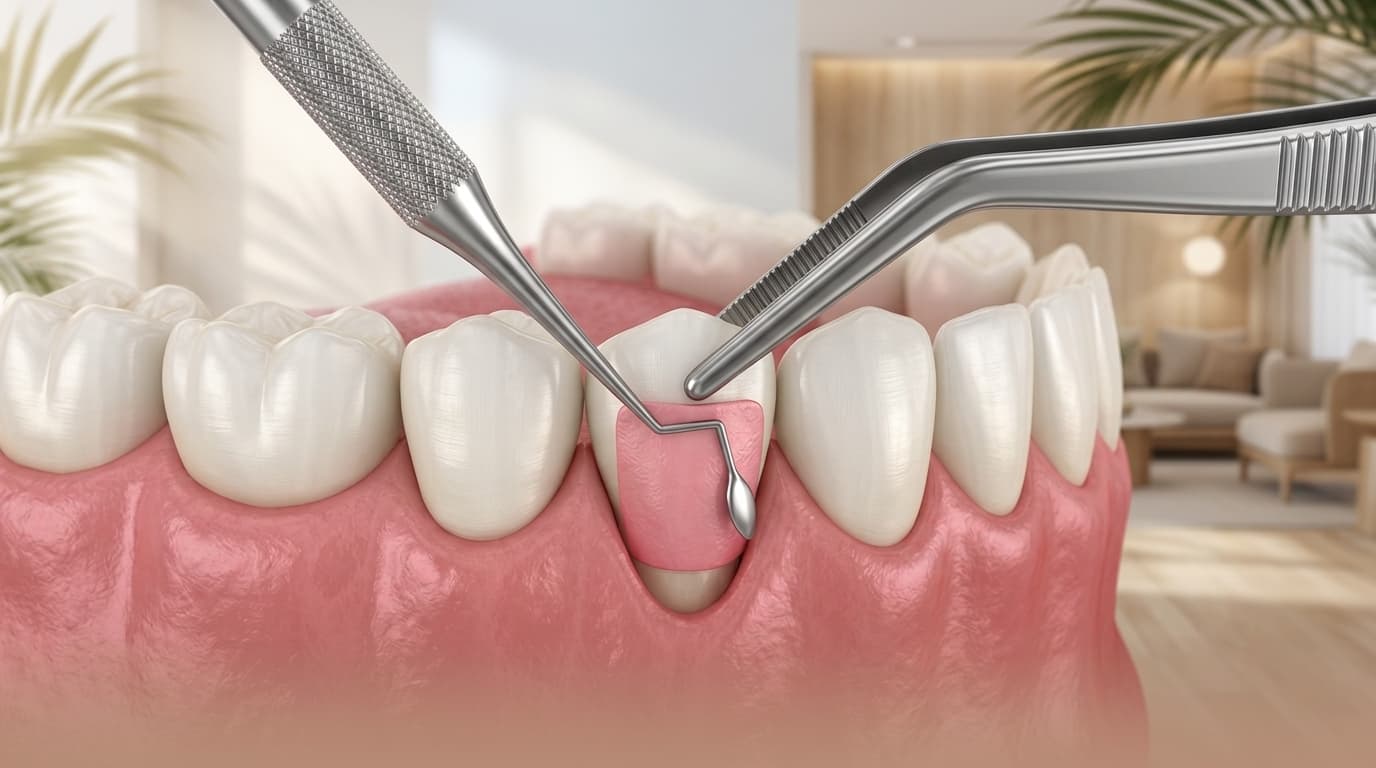
A crown covers the tooth to restore its shape, structure and function. Crowns may be considered when teeth have significant structural damage, extensive restorations, fractures, severe wear or other clinical indications. For cosmetic cases, different crown materials can be considered depending on the patient's situation.
Dental veneers
A veneer is a thin restoration placed primarily on the visible surface of a tooth. Veneers may be considered for certain aesthetic concerns, including tooth shape, minor spacing, discolouration, small imperfections and overall proportion and symmetry. However, veneers are not suitable for every patient — the correct treatment depends on the condition of the individual teeth.
Why the difference matters
If you search online for "Turkey Teeth veneers", you will find thousands of photographs showing dramatic smile transformations. But a photograph cannot tell you:
- How much tooth structure was removed
- Whether the patient had decay or gum disease
- What material was used
- How the bite was assessed
- Whether the restoration was a crown or a veneer
- What preparation was required
- What aftercare was provided
That is why an attractive before-and-after photograph should be the beginning of your research, not the end.
Explore Our Real Case Transformations
View All Cases →
5. Zirconia vs E-Max: Understanding Dental Materials
The material used in a cosmetic restoration can influence its appearance, strength, translucency and suitability for a particular tooth. At The Pearl Clinic Antalya we commonly work with advanced restorative materials such as zirconia and E-max, selected according to the clinical requirements of each case.
| Zirconia | E-max (lithium disilicate) | |
|---|---|---|
| Material type | High-strength ceramic widely used in modern restorative dentistry | Glass-ceramic commonly associated with lithium disilicate restorations |
| Main strength | Useful where strength and durability are important | Optical properties that can suit highly aesthetic cases |
| Appearance | Modern generations are available in highly aesthetic forms with more natural optical properties than older zirconia | Translucency can help create a natural appearance |
| Often considered for | Cases where functional load and durability are a priority | Cases where translucency and light behaviour are a priority |
There is no universal rule that says zirconia is always better than E-max, or the other way round. The correct material depends on tooth position, bite forces, available space, desired appearance, remaining tooth structure, functional requirements, the type of restoration and the assessment made by your dentist together with the dental laboratory.
The goal is not simply "white teeth"
A professionally designed smile should consider shape, proportion, colour, gum line, facial features, bite and function together. The whitest possible teeth are not necessarily the most natural-looking teeth. This is why digital smile planning and close communication between the dentist and the dental laboratory can be so important.
6. Digital Dentistry: Why Planning Matters
Modern digital dentistry has changed the way many dental treatments are planned and delivered. At The Pearl Clinic Antalya, our digital workflow can include:
- Digital intraoral scanning
- Clinical photographs
- Dental X-rays when clinically indicated
- Digital treatment planning and smile design
- Computer-aided design and CAD/CAM laboratory technology
- Digital communication with the dental laboratory
Instead of relying exclusively on traditional impressions, digital scanning can allow the dental team to create a detailed digital representation of the patient's teeth, which is then used during the planning and laboratory stages.
For complex cases, additional imaging such as a 3D CBCT scan may be recommended when clinically appropriate, particularly when the dentist needs more information about bone, roots, implants or other anatomical structures. Importantly, diagnostic imaging should be selected according to the clinical situation rather than performed simply because it sounds technologically impressive.
7. Why Your Bite Matters as Much as Your Smile
A smile makeover is not simply about how your teeth look when you smile. Your teeth have to function. Every day they are exposed to chewing forces, contact between opposing teeth, and changes in temperature and pressure.
This means a successful restorative treatment needs to consider occlusion — how the upper and lower teeth come together. Poorly planned restorations may create functional problems if the bite is not properly assessed.
Before treatment, your dentist should consider:
- How your teeth meet and your existing bite patterns
- Tooth wear
- Jaw movement
- Existing restorations
- Bruxism or grinding
- Available restorative space
For this reason, a professional treatment plan should be about much more than choosing a shade of white.
8. How Much Does Turkey Teeth Treatment Cost?
One of the biggest reasons people search for "Turkey Teeth cost" is the significant difference between dental treatment prices in different countries. Treatment costs can vary considerably depending on the number of teeth, the type of restoration, the material, the laboratory, the complexity of the case, any implant requirements, additional dental treatment, accommodation, transfers and the number of visits.
There is therefore no responsible single price that applies to every patient. An online package price may provide a starting point, but it should never replace an individual assessment, and the cheapest quote may not include everything you need.
Ten questions to ask before you agree to treatment
1. Which teeth are being treated?
The plan should list the specific teeth, not just a number of units.
2. Are the restorations crowns or veneers?
These are different restorations with different preparation requirements.
3. Which material will be used?
Ask for the exact material rather than a marketing description.
4. Which laboratory produces them?
The laboratory and technician are a major part of the final result.
5. Are temporary restorations included?
Temporaries protect prepared teeth and let you preview the planned shape.
6. What happens if additional treatment is required?
Decay, gum treatment or root canal treatment may be identified during assessment.
7. How many visits and appointments are necessary?
This determines how long you need to stay and how you plan your travel.
8. What aftercare is provided?
Ask what support is available once you return home.
9. What warranty or guarantee applies?
Ask for the conditions in writing, including what is excluded.
10. What happens if you experience a problem after returning home?
Clarify the process, the contact route and any costs before you travel.
These questions help you compare treatment plans rather than simply comparing prices.
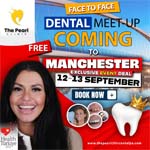
Meet Us in the UK Before You Travel
Just like our international patients, you can meet our specialist dentists in person across the UK before booking your trip. Discuss your treatment plan face-to-face at our next UK Dental Meet-Up event.
Book Your UK Appointment9. The All-Inclusive Antalya Dental Experience
Another reason international patients choose Antalya dental clinics is the convenience of combining treatment with accommodation and transportation. At The Pearl Clinic Antalya, international patient packages can include services designed to make the journey easier, such as:
- Airport transfers
- Hotel accommodation
- Hotel-to-clinic transfers
- Treatment coordination
- Dental consultations and digital planning
- Laboratory coordination
- Aftercare guidance
This can be particularly helpful for patients travelling from the UK and other countries. However, an all-inclusive package should not distract from the most important part of the journey: the clinical treatment itself. A luxury hotel cannot compensate for poor dental planning. The dental protocol must always come first.
10. How Long Does Treatment Take?
Treatment time depends on the individual case. For many cosmetic crown or veneer cases, patients need more than one appointment during their stay. A typical treatment journey may involve the following stages.
Step 1 — Consultation
The dental team evaluates your teeth, gums, bite and aesthetic goals.
Step 2 — Diagnostic assessment
Photographs, digital scans and dental X-rays may be used where appropriate.
Step 3 — Treatment planning
The dentist determines the appropriate restorative approach and discusses the planned smile design with you.
Step 4 — Preparation
If crowns or veneers are clinically appropriate, the teeth are prepared according to the selected restoration.
Step 5 — Digital scan
A digital scan is taken and sent to the dental laboratory.
Step 6 — Temporary teeth
Where appropriate, temporary restorations may be placed while the final restorations are being manufactured.
Step 7 — Laboratory stage
The dental laboratory creates the final restorations according to the approved design and prescription.
Step 8 — Final fitting
The dentist checks the restorations for fit, aesthetics, contacts and bite before final placement.
The exact timeline varies from patient to patient and should be confirmed in your individual treatment plan before you book flights.
Ready for Your Own Smile Transformation?
Send your dental photos or X-rays directly to our senior clinic team for a free assessment and a personalised treatment plan.
11. Is Turkey Teeth Treatment Painful?
This is one of the most common questions international patients ask. Dental treatment can involve sensitivity or discomfort, but modern dentistry provides several ways to make treatment more comfortable.
At The Pearl Clinic Antalya, local anaesthesia is used when appropriate, and sedation options may be discussed for suitable patients. Many patients describe the sensation during dental treatment as pressure rather than sharp pain.
After treatment, temporary sensitivity can occur, particularly after procedures involving tooth preparation. Your dentist should explain the expected recovery and provide appropriate aftercare instructions.
12. Is Turkey Teeth Treatment Safe?
The question "are Turkey Teeth safe?" cannot be answered simply with yes or no. Dental treatment can be safe when it is appropriately indicated, properly planned and performed by qualified dental professionals using suitable materials and clinical protocols. The same principle applies whether treatment takes place in Turkey, the UK or anywhere else.
Before travelling, research:
- The clinic and its compliance with health authority requirements
- The dentist and their professional qualifications
- The proposed treatment and why it is indicated
- The materials and the dental laboratory
- Infection-control and sterilisation standards
- Diagnostic procedures used before treatment
- Aftercare and warranty information
- What happens if complications occur
Do not choose a clinic solely because a social-media video has gone viral.
13. Three Essential Rules Before Choosing a Clinic
Rule 1 — Get a proper dental assessment
Do not allow a cosmetic treatment plan to be based only on a few photographs. A dentist should assess your clinical condition and determine what treatment is appropriate. Depending on your case, this may involve photographs, digital scans, X-rays or other diagnostic procedures.
Rule 2 — Ask what material is being used
Do not simply accept the phrase "premium crowns". Ask for the exact material and, where relevant, the manufacturer or laboratory documentation. Understanding what is being placed in your mouth is part of giving informed consent, and it lets you compare two quotes on the same basis.
Rule 3 — Get the whole plan in writing before you travel
A written plan should set out which teeth are treated, the type of restoration, the material, the number of appointments, what is included in the price, what happens if extra treatment is needed, the aftercare arrangements and the guarantee conditions. If a clinic cannot provide this before you book flights, that in itself is useful information.
14. Aftercare: Looking After Your New Smile
Cosmetic restorations do not remove the need for daily oral care. The teeth underneath crowns and veneers, and the gums around them, still need to be kept healthy.
- Brush twice daily and clean between the teeth as advised by your dentist
- Keep attending routine check-ups and hygiene appointments with a dentist at home
- Tell your dentist if you grind or clench your teeth — a night guard may be recommended
- Avoid using your teeth as tools, and be careful with very hard foods
- Report any sensitivity, looseness, chipping, gum swelling or bite changes promptly
Before you leave Antalya, make sure you know who to contact if a problem develops, what your guarantee covers and what records you can take home — including your treatment plan, material details and any imaging. These records make it much easier for a dentist in your own country to help you if needed.
15. The Pearl Clinic Antalya: Our Clinical Approach
The Pearl Clinic Antalya provides dental treatment to international patients in Antalya, one of Turkey's main health tourism centres. Digital scanning, digital treatment planning and modern dental laboratory processes are used at different stages of the treatment journey.
Our priorities are consistent: an individual diagnosis before any cosmetic plan is agreed, preservation of healthy tooth structure wherever clinically possible, material selection based on the clinical case rather than the marketing description, careful assessment of the bite, and clear written information so patients understand what is being done and why.
For patients considering Antalya for dental treatment, it is important to pay attention not only to the treatments a clinic offers, but also to treatment planning, the technologies used, hygiene and sterilisation standards, dental laboratory infrastructure and the post-treatment approach.
Our Team
About Us →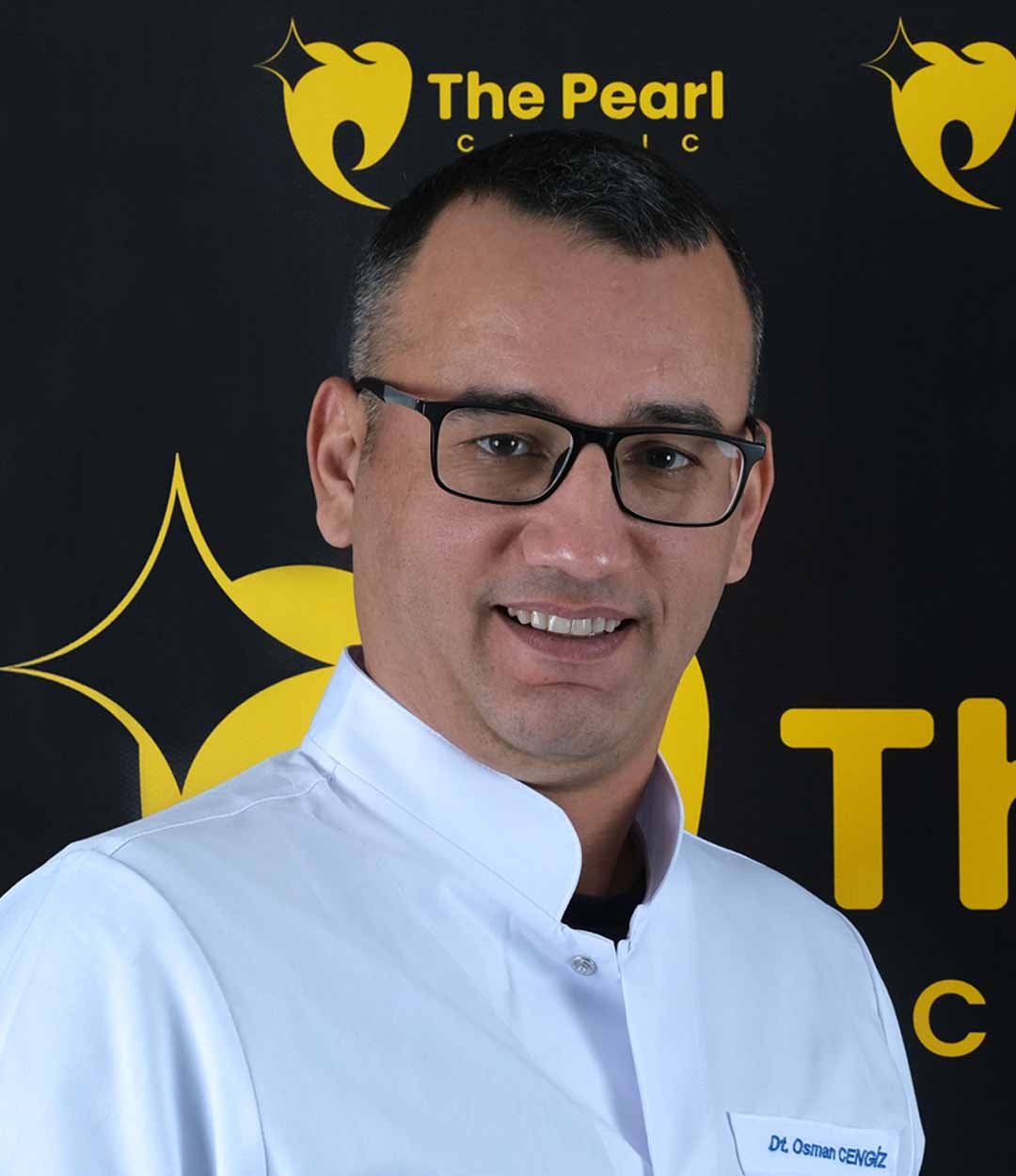
Clinic Owner
Dt. Osman Cengiz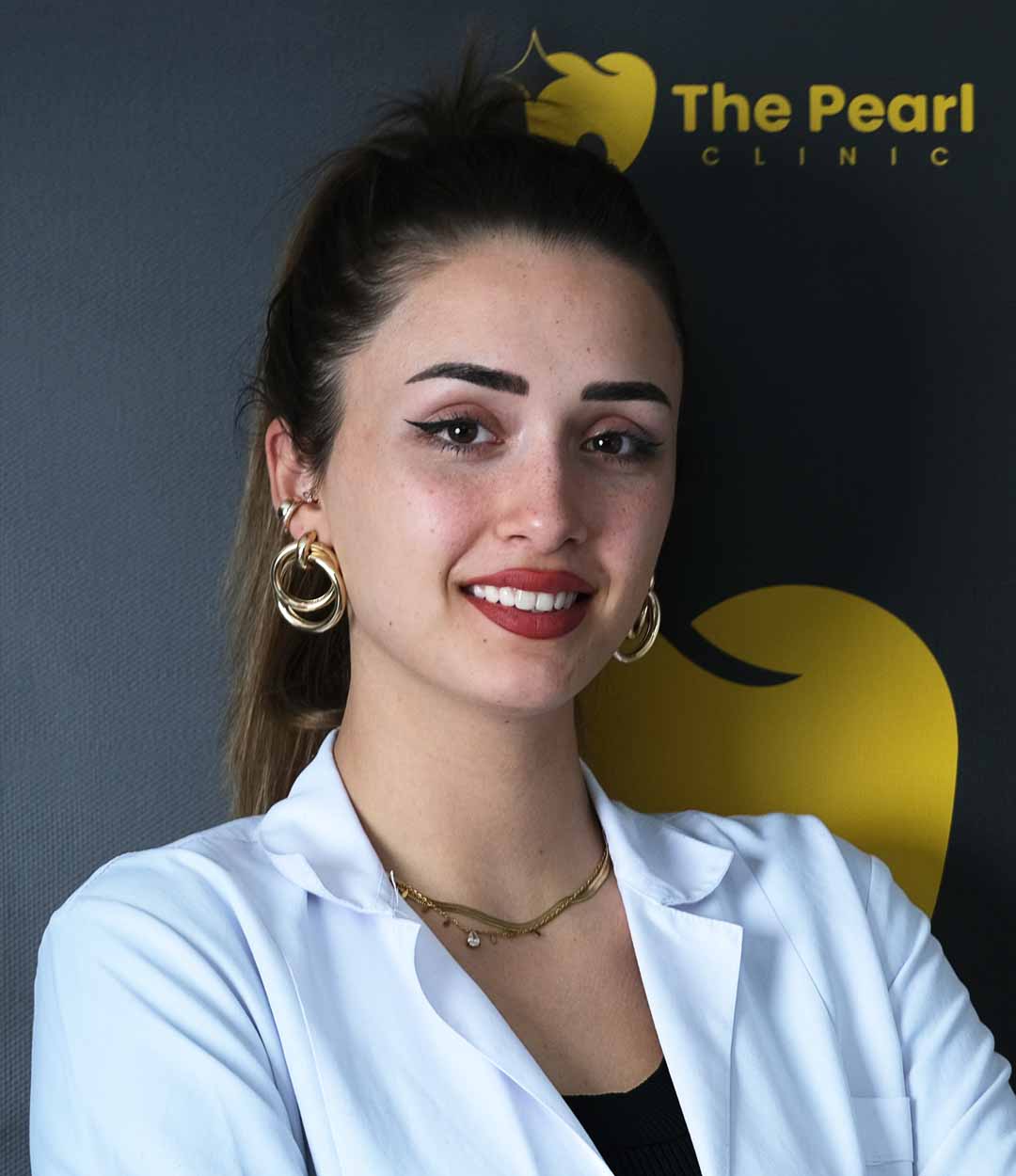
Dentist
Dt. İrem Nur Kılıç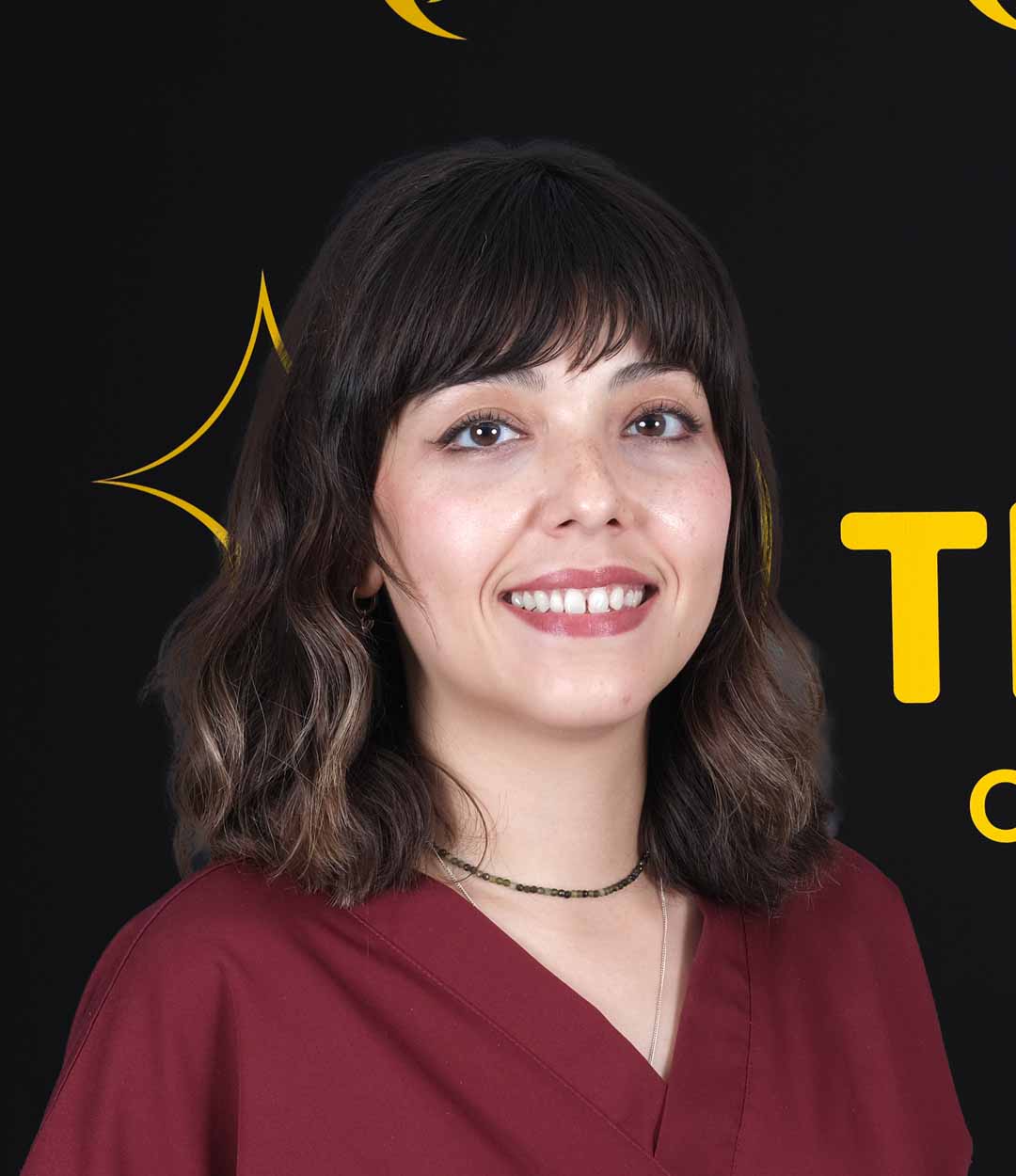
Dentist
Dt. Sevilay Özge Yağcı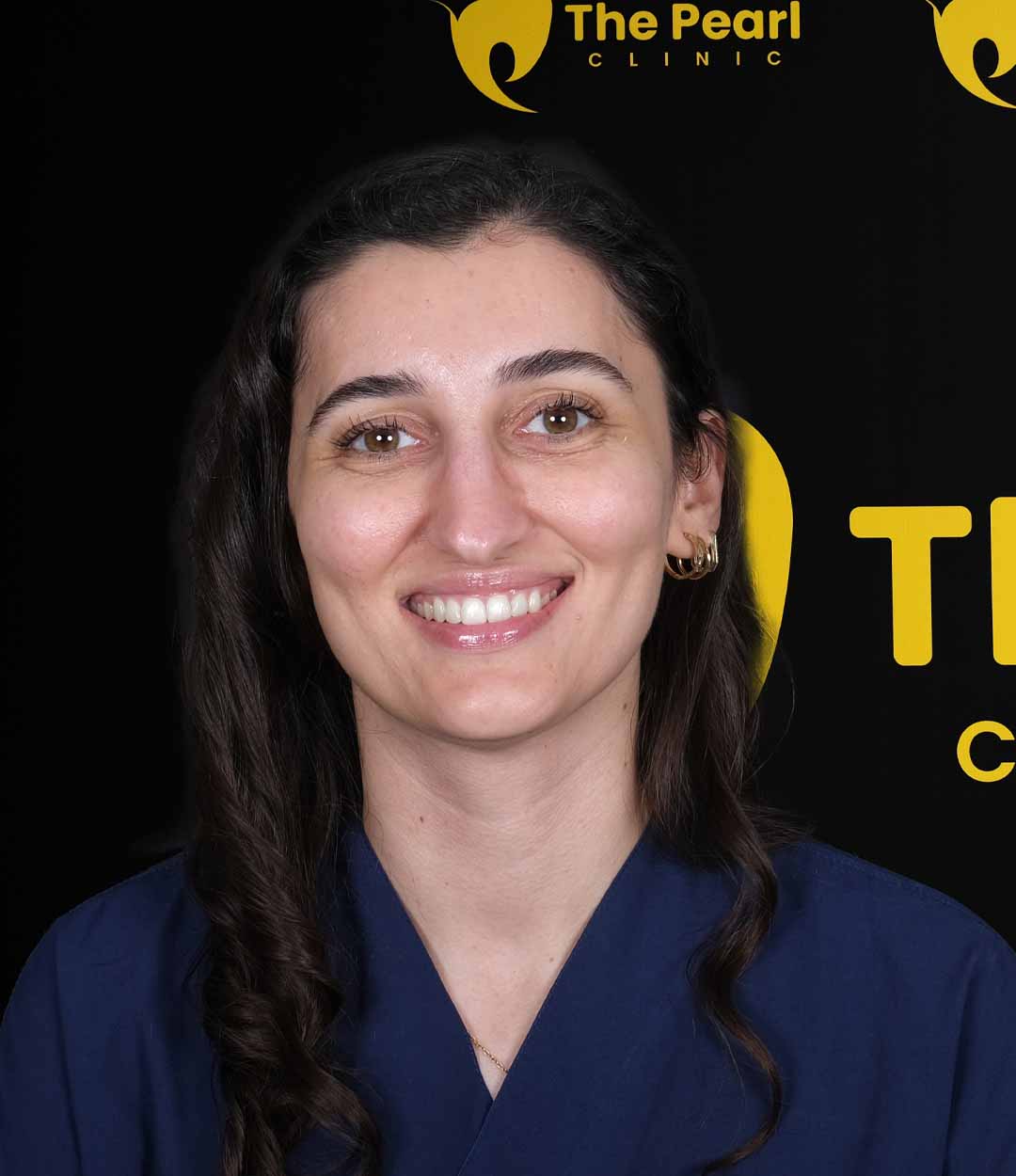
Dental Surgeon
Dt. Tuğba Taş Mammadov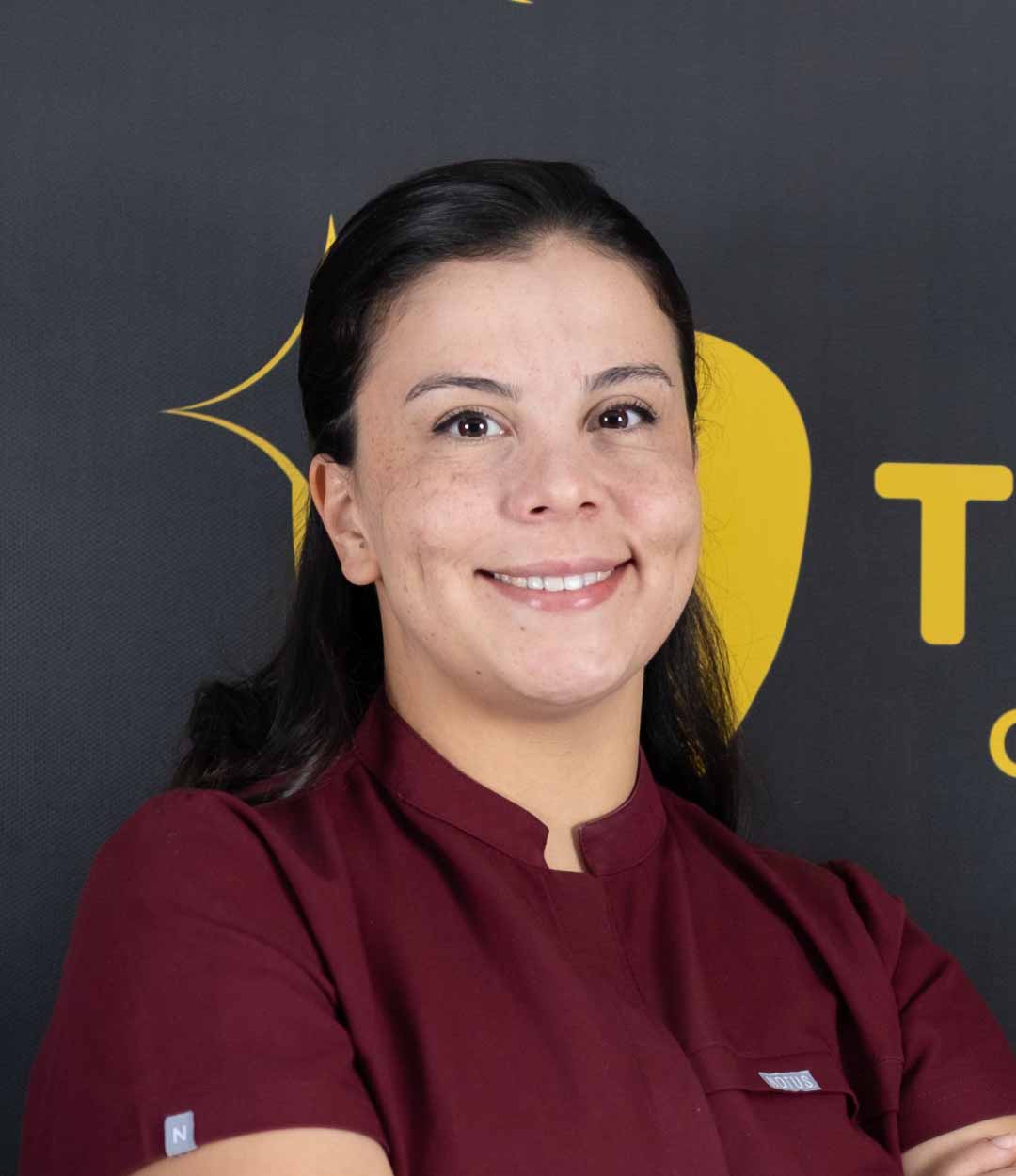
Dentist
Dt. Seda Gür
General Manager
Ebru Kırcalıoğlu16. Frequently Asked Questions (FAQ)
What are Turkey Teeth?
Turkey Teeth is a social-media term rather than a specific dental treatment. It usually refers to cosmetic dental treatment carried out in Turkey, most often dental crowns or veneers used to create a whiter and more uniform smile. The actual treatment differs from patient to patient because dental conditions differ.
Are Turkey Teeth crowns or veneers?
It depends on the individual case. A crown covers the whole tooth and may be indicated where there is significant structural damage, extensive existing restorations, fractures or severe wear. A veneer is a thinner restoration placed mainly on the visible surface of a tooth. Your treatment plan should state clearly which is being used and why.
Do Turkey Teeth require filing down healthy teeth?
The amount of tooth preparation depends on the type of restoration, the condition of the tooth, existing fillings, tooth position and colour, available restorative space and the material selected. Conservative, minimally invasive planning aims to preserve as much healthy natural tooth structure as is clinically possible.
Is zirconia better than E-max?
Neither material is universally better. Zirconia is a high-strength ceramic that can be useful where strength and durability are important. E-max is commonly associated with lithium disilicate ceramics and can be attractive where translucency and a natural appearance matter. The choice depends on tooth position, bite forces, available space, tooth structure and the type of restoration.
How much does Turkey Teeth treatment cost?
There is no single responsible price. Cost depends on the number of teeth, the type of restoration, the material, the laboratory, case complexity, any implant or additional treatment needed, the number of visits, accommodation and transfers. Ask for a written treatment plan rather than comparing headline package prices.
How long does treatment take in Antalya?
Treatment time depends on the individual case. Many cosmetic crown or veneer cases require more than one appointment during the stay, covering consultation, diagnostics, planning, preparation, digital scanning, temporary restorations, the laboratory stage and final fitting. Your plan should confirm the number of visits before you book flights.
Is dental treatment in Turkey safe?
Dental treatment can be safe when it is appropriately indicated, properly planned and carried out by qualified dental professionals using suitable materials and clinical protocols. The same principle applies in any country. Research the clinic, the dentist, qualifications, materials, laboratory, infection control, diagnostics, aftercare and what happens if a complication occurs.
Is the treatment painful?
Local anaesthesia is used where appropriate and sedation options may be discussed for suitable patients. Many patients describe the sensation during treatment as pressure rather than sharp pain. Temporary sensitivity after tooth preparation can occur. Severe, persistent or unexpected pain or swelling should be reported to your dental provider promptly.
Can I have a smile makeover if I have gum disease or decay?
Cosmetic restorations are not a substitute for treating underlying dental problems. If decay, gum disease or other conditions are identified during assessment, these usually need to be addressed as part of the treatment plan. This is one reason a proper clinical examination must come before any cosmetic plan is agreed.
What should I ask for in writing before travelling?
Ask for a written plan listing the teeth being treated, whether the restorations are crowns or veneers, the exact material, the laboratory, whether temporaries are included, the number of appointments, what happens if additional treatment is required, aftercare arrangements, guarantee conditions and the process if a problem develops after you return home.
Can I be assessed before I travel to Antalya?
A preliminary assessment based on photographs and any existing X-rays can help discuss possible options and plan your visit, and our team also holds UK Dental Meet-Up events where you can speak to a dentist in person. A preliminary assessment is not a diagnosis — the final treatment plan is confirmed after a clinical examination at the clinic.
How do I choose a dental clinic in Antalya?
Evaluate the clinic's compliance with legal and health authority requirements, the dentists' experience and qualifications, treatment planning, the dental materials used, sterilisation and hygiene processes, digital technology, the dental laboratory, post-treatment support and how the clinic communicates with international patients — not the price alone.
Start Your Smile Assessment Today
Send your photos to The Pearl Clinic Antalya to discuss your options and receive a personalised treatment plan before you travel.
Contact Us on WhatsAppThe Pearl Clinic Antalya — Where Excellence Meets Aesthetics in Dental Care
Note: This content has been prepared for general informational purposes only and does not constitute a diagnosis or a treatment recommendation. Every treatment decision should be made after an individual clinical examination. Treatment outcomes vary from patient to patient.