Don’t Lose Your Natural Teeth to Decay!
Dental Inlays, Onlays and Fillings in Turkey: Complete Guide
Filling, inlay, onlay or crown — which one does your tooth actually need? A dentist explains how each restoration works, when it's used, and what to know before travelling to Antalya for restorative treatment.

Dental fillings, inlays and onlays are among the most common restorative dentistry treatments used to repair damaged, decayed or weakened teeth. Choosing the right treatment depends on the size of the cavity, the amount of healthy tooth structure remaining, the location of the damage and the forces the tooth needs to withstand every day. At The Pearl Clinic Antalya, restorative treatments are planned individually — the goal is never to reach for the strongest or most expensive restoration by default, but the one that actually fits the tooth.
1. What Is Restorative Dentistry?
Restorative dentistry focuses on repairing teeth affected by decay, fractures, wear, old fillings or other structural damage. The main objective isn't simply to improve how a tooth looks — a properly planned restoration should also help restore tooth structure, chewing function, bite stability, protection against further damage, natural appearance and long-term oral health.
Depending on the condition of the tooth, a dentist may recommend a composite filling, dental inlay, dental onlay or dental crown. The most conservative option is usually preferred when it can still provide sufficient strength and protection — which is exactly why an accurate examination matters before choosing between them.
2. Dental Fillings in Turkey
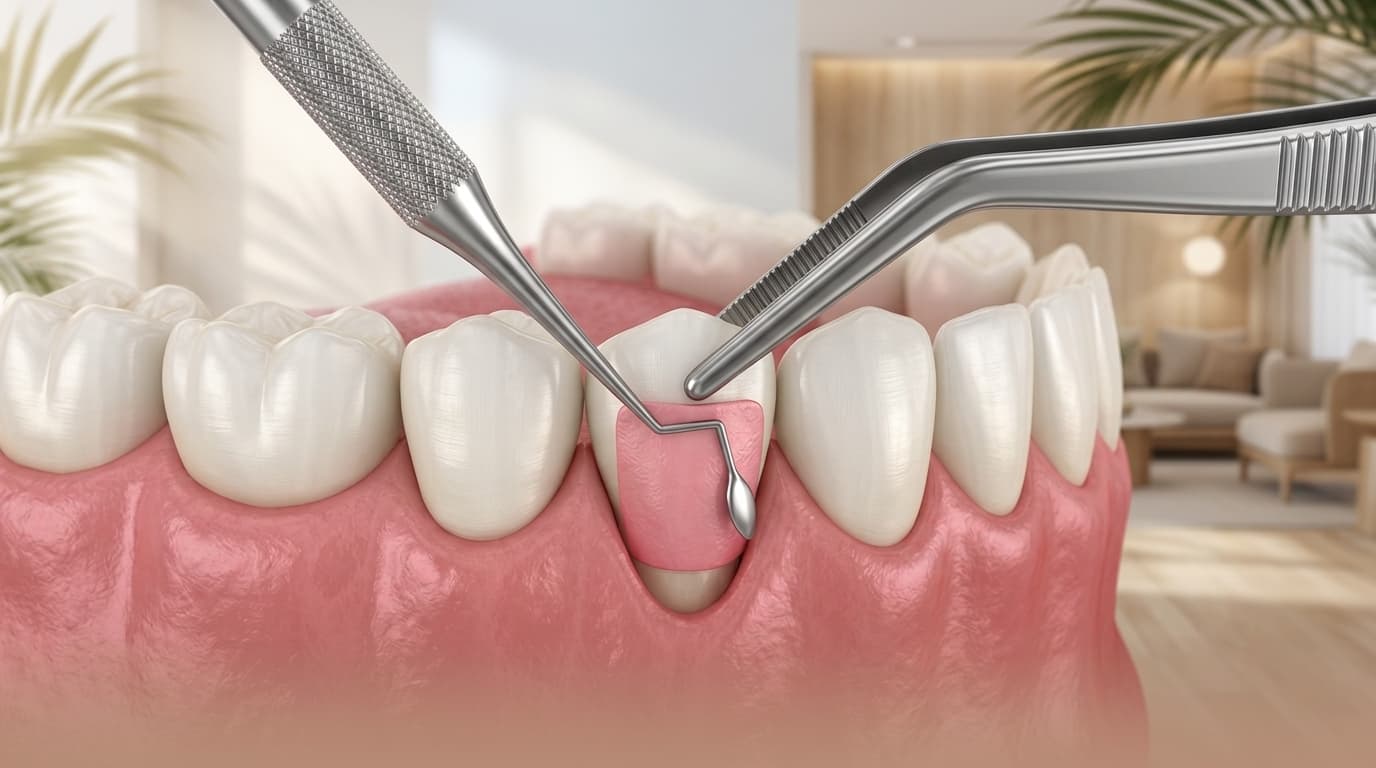
A dental filling is a direct restorative treatment commonly used to repair teeth affected by small or moderate cavities. Once decay develops, the damaged portion of the tooth is removed, and the resulting cavity is restored with a suitable filling material. At The Pearl Clinic Antalya, tooth-coloured composite resin fillings are used for suitable cases, designed to closely match the natural colour of the tooth — a popular choice for both front and back teeth.
How does a dental filling work?
1. Examination and diagnosis
The dentist examines the tooth and evaluates the extent of decay or damage. Dental X-rays may also be required.
2. Local anaesthesia
Used when necessary to keep the procedure comfortable.
3. Removal of decay
Decayed or damaged tooth structure is carefully removed while preserving as much healthy structure as possible.
4. Tooth preparation
The tooth is prepared so the composite material can bond securely to the remaining structure.
5. Composite application
The resin is applied in layers, each hardened with a specialised curing light.
6. Shaping and polishing
The dentist shapes the restoration to recreate the tooth's natural contours, checks the bite, then polishes the filling.
Not Sure Which Restoration You Need?
Send us a photo or recent X-ray of the tooth and our team can help point you in the right direction before your consultation.
3. What Is a Dental Inlay?
A dental inlay is an indirect restoration designed to repair a tooth when the damaged area is too extensive for a conventional filling, but the tooth's main cusps remain sufficiently intact. Unlike a composite filling, which is shaped directly inside the tooth, an inlay is custom-designed to fit the prepared cavity and can be manufactured from ceramic, porcelain or E-max, depending on clinical requirements.
When is an inlay recommended?
- The cavity is larger than one normally treated with a filling
- The tooth has sufficient healthy structure remaining
- The cusps are not significantly damaged
- A stronger restoration is required
- A highly aesthetic result is desired
- A conservative alternative to a full crown may be appropriate
The inlay procedure in Turkey
Initial examination
The tooth is assessed and the extent of damage determined.
Preparation
Decayed or weakened areas are removed and the tooth is prepared for the restoration.
Digital scanning
A 3D intraoral scanner captures detailed digital information about the prepared tooth.
Digital design
The restoration is designed using CAD software.
Laboratory production
The inlay is manufactured according to the digital design.
Try-in and final bonding
Fit, contact points, appearance and bite are checked, then the restoration is securely bonded to the tooth.
This indirect approach allows the restoration to be manufactured with precise dimensions before it's ever placed in the mouth.
4. What Is a Dental Onlay?
A dental onlay is another type of indirect restoration, sometimes described as a partial crown because it can cover one or more damaged cusps of a tooth. An onlay may be considered when a tooth has more extensive damage than would normally be treated with an inlay, but there's still enough healthy structure to avoid a full crown.
The main difference between an inlay and an onlay is the area of the tooth each one covers: an inlay generally sits within the cusps, while an onlay can extend over one or more of them.
When is an onlay recommended?
- One or more cusps are damaged
- A large filling has weakened the tooth
- There is extensive decay but sufficient healthy structure remains
- The tooth requires additional structural protection
- A conservative alternative to a full crown is clinically appropriate
Onlays are particularly useful for posterior teeth, since molars and premolars experience substantial chewing forces. That said, not every damaged tooth can be restored with an onlay — extensive structural loss may call for a crown or another treatment instead.
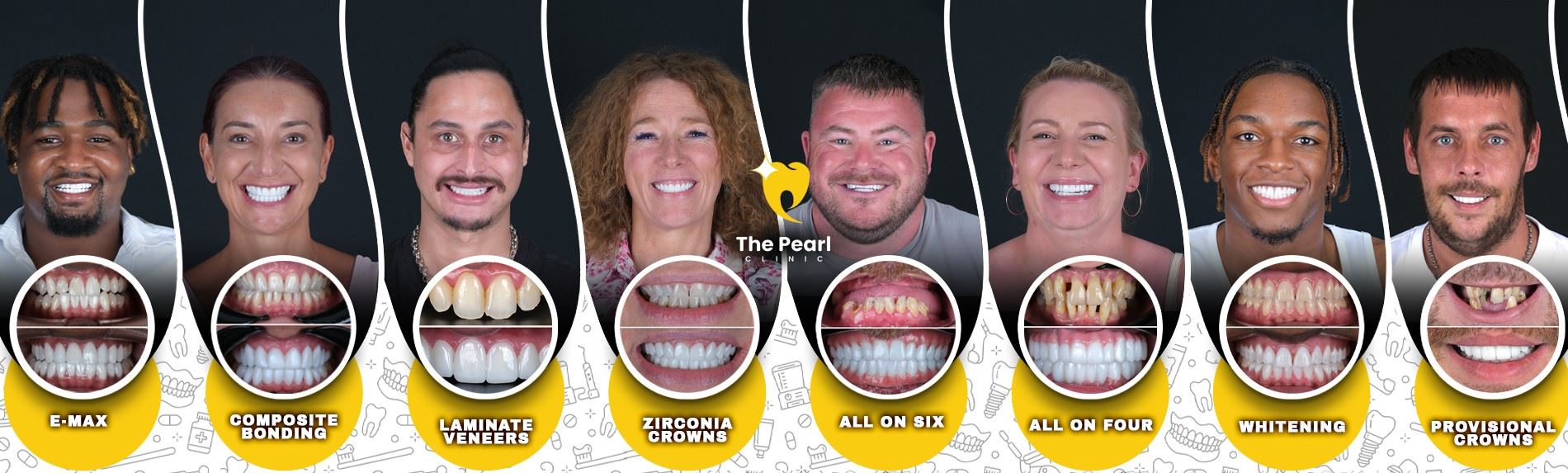
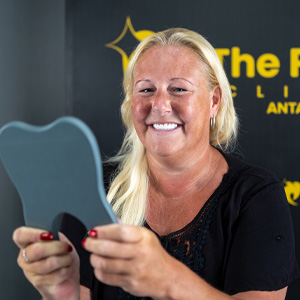
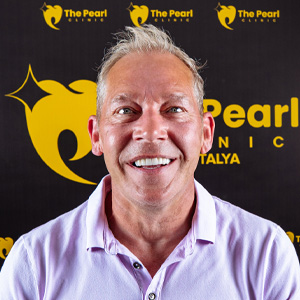
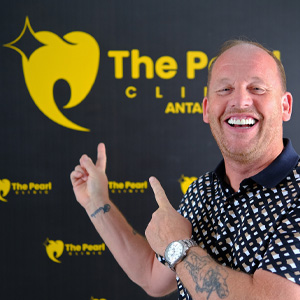
Explore Our Restorative Case Results
View All Cases →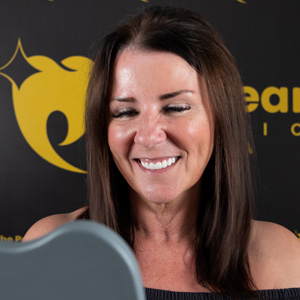
5. Filling vs Inlay vs Onlay
Understanding the difference between these treatments makes planning much easier.
| Feature | Dental Filling | Dental Inlay | Dental Onlay |
|---|---|---|---|
| Treatment type | Direct restoration | Indirect restoration | Indirect restoration |
| Typical use | Small to moderate cavities | Larger cavities with intact cusps | Damage involving one or more cusps |
| Common materials | Composite resin | Ceramic / E-max | Ceramic / E-max / selected materials |
| Fabrication | Directly in the mouth | Dental laboratory | Dental laboratory |
| Digital scanning | May be used | Commonly used | Commonly used |
| Appointments | Often one | Usually more than one | Usually more than one |
| Tooth preservation | High when appropriate | High when appropriate | Depends on damage |
| Aesthetic potential | High | Very high | Very high |
6. Inlay or Onlay Instead of a Crown?
One of the most important principles of modern restorative dentistry is preserving healthy natural tooth structure whenever clinically possible. A traditional crown covers the entire visible portion of a prepared tooth, and creating the necessary space for it generally means removing more tooth structure than for a partial restoration.
An inlay or onlay can therefore be a more conservative option in selected cases — an onlay in particular can protect damaged cusps while retaining healthy parts of the tooth. However, if the remaining tooth structure is insufficient to support an onlay, a crown may still be necessary. The dentist determines the right restoration after assessing the tooth's structure, decay, previous restorations, cracks, bite and overall prognosis.
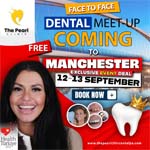
Want to Discuss Your Restoration Options in Person?
Meet our team face-to-face at a UK Dental Meet-Up event to talk through whether a filling, inlay, onlay or crown fits your case, before booking any trip.
Book Your UK Appointment7. Digital Dentistry for Inlays and Onlays in Antalya
Modern restorative dentistry increasingly relies on digital technology. At The Pearl Clinic Antalya, digital workflows are used for suitable restorative cases — a 3D intraoral scanner can capture the shape and position of the teeth without relying solely on traditional impression materials, and the resulting digital information feeds into a CAD/CAM workflow to design the restoration.
- Detailed digital impressions
- Improved communication between dentist and laboratory
- Computer-aided restoration design
- Efficient laboratory workflow
- Precise restoration planning
- Digital records for treatment documentation
For international patients, an efficient digital workflow can also matter because treatment time may need to be planned around flights, accommodation and other travel arrangements.
8. Dental Laboratory & CAD/CAM Technology
The quality of an indirect restoration depends on more than the material itself. The dentist's preparation, the digital scan, the restoration design, the manufacturing process, material selection, the bonding procedure and bite adjustment all contribute to the final result. CAD/CAM technology allows restorations to be digitally designed and manufactured to fit the individual tooth precisely.
At The Pearl Clinic Antalya, access to an in-house dental laboratory supports close communication between the clinical and laboratory teams throughout restorative treatment — a workflow that can be particularly useful for patients travelling internationally for dental treatment in Antalya.
9. How Long Do These Restorations Last?
The lifespan of a dental restoration varies significantly from person to person. Factors that can influence longevity include:
- Oral hygiene
- Diet
- Tooth location
- Bite forces
- Teeth grinding or clenching
- Size of the restoration
- Quality of the remaining tooth structure
- Material used
- Dental maintenance
- Regular professional examinations
Composite fillings may need replacing sooner than some laboratory-made restorations, particularly when they're large or exposed to substantial chewing forces. Inlays and onlays can provide long-term service when properly planned, manufactured, bonded and maintained — but published lifespan figures should never be treated as guarantees, since every restoration is affected by the individual patient's oral environment.
Considering Restorative Treatment in Antalya?
Share your dental records or photos with our team for a preliminary idea of what your tooth might need.
10. Are Inlays and Onlays More Expensive Than Fillings?
Generally, indirect restorations such as inlays and onlays require more laboratory work and more complex treatment planning than a standard composite filling. The final price can depend on the restoration type, material, number of teeth, tooth location, extent of damage, additional procedures, digital laboratory workflow and the dentist's treatment plan — which is why an exact price should only be given after the tooth has been properly assessed.
11. Dental Treatment in Turkey for UK Patients
Turkey has become a popular destination for international dental patients, including people travelling from the UK and other European countries. Antalya combines access to dental clinics with well-established international tourism infrastructure, and patients may choose Turkey because of competitive treatment costs, modern dental technology, international patient services, experienced dental professionals, digital dentistry, dental laboratory facilities and a wide range of restorative treatments.
That said, travelling abroad for dental treatment requires careful planning. Patients should verify the qualifications of the dental professionals, the clinic's credentials, the proposed materials, the treatment stages, aftercare arrangements and what happens if additional treatment is required.
12. Why Choose The Pearl Clinic Antalya?
At The Pearl Clinic Antalya, restorative dentistry is approached as an individual treatment-planning process rather than a one-size-fits-all procedure, using modern digital workflows and in-house laboratory technology. Depending on your dental condition, treatment may include:
- Composite dental fillings
- Dental inlays
- Dental onlays
- Dental crowns
- E-max restorations
- Zirconia restorations
- Veneers
- Dental implants
- Full-mouth rehabilitation
Treatment always begins with an assessment of your dental needs. The objective is to identify the most appropriate restoration while preserving healthy natural tooth structure wherever possible.
Our Team
About Us →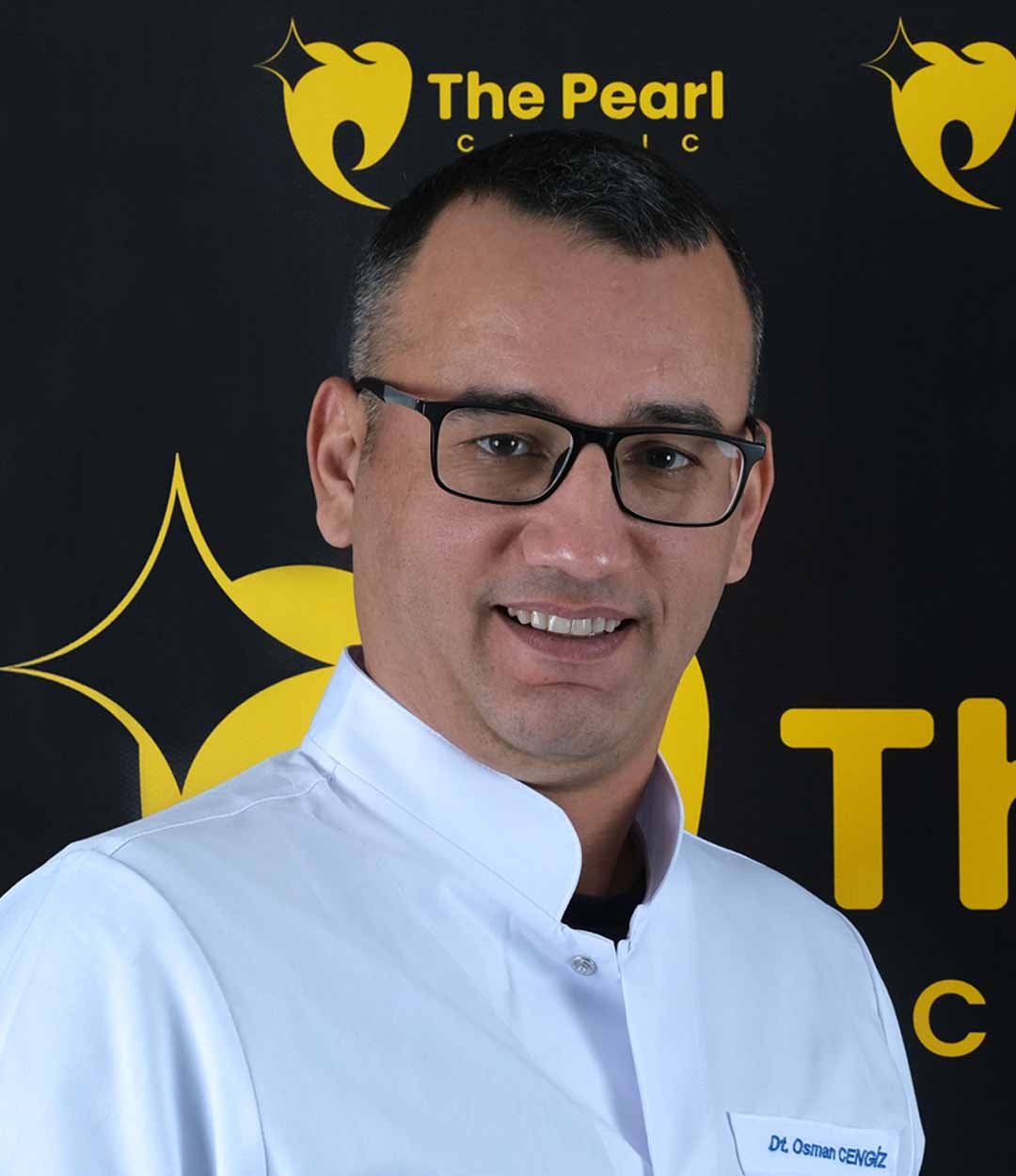
Clinic Owner
Dt. Osman Cengiz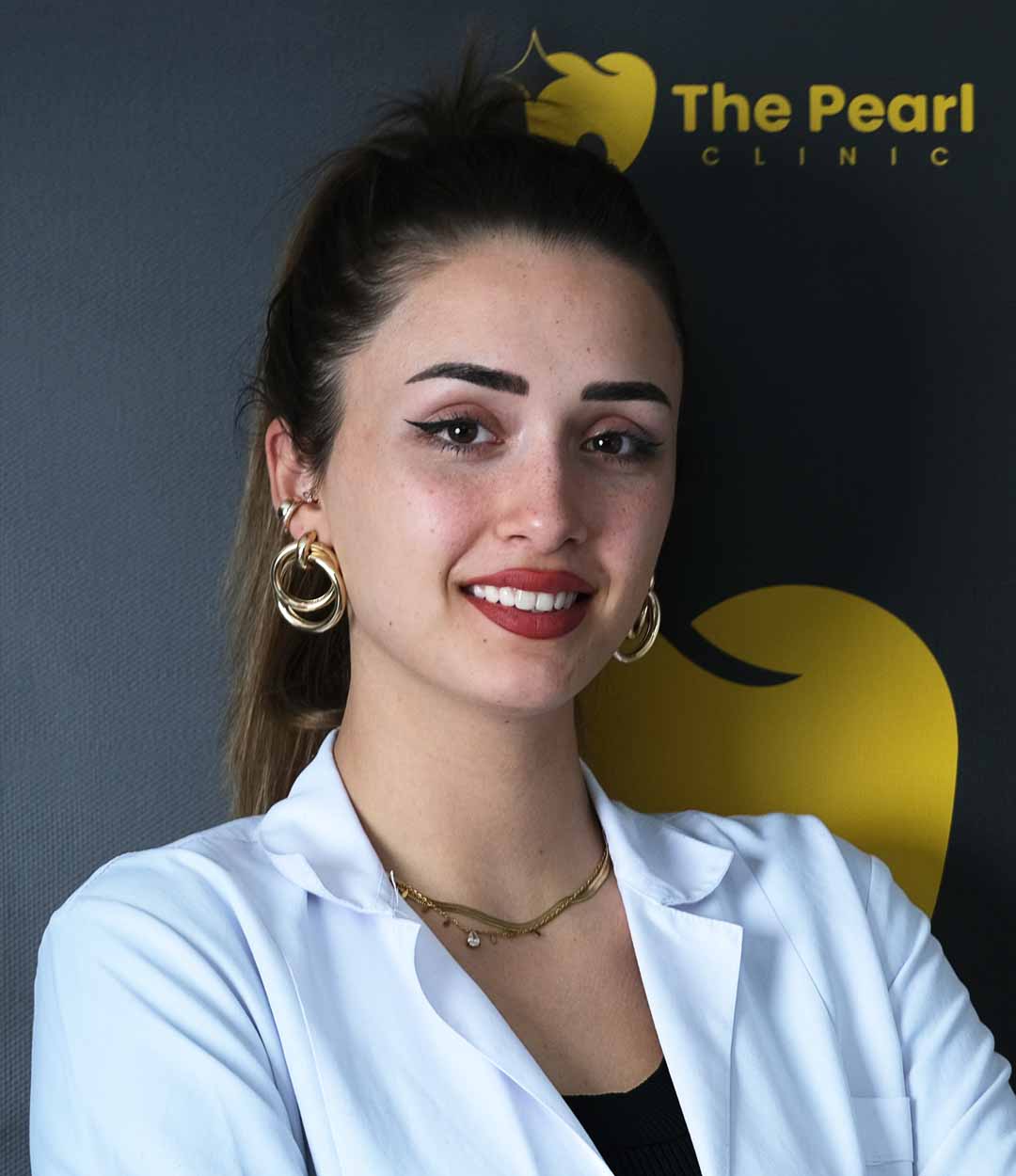
Dentist
Dt. İrem Nur Kılıç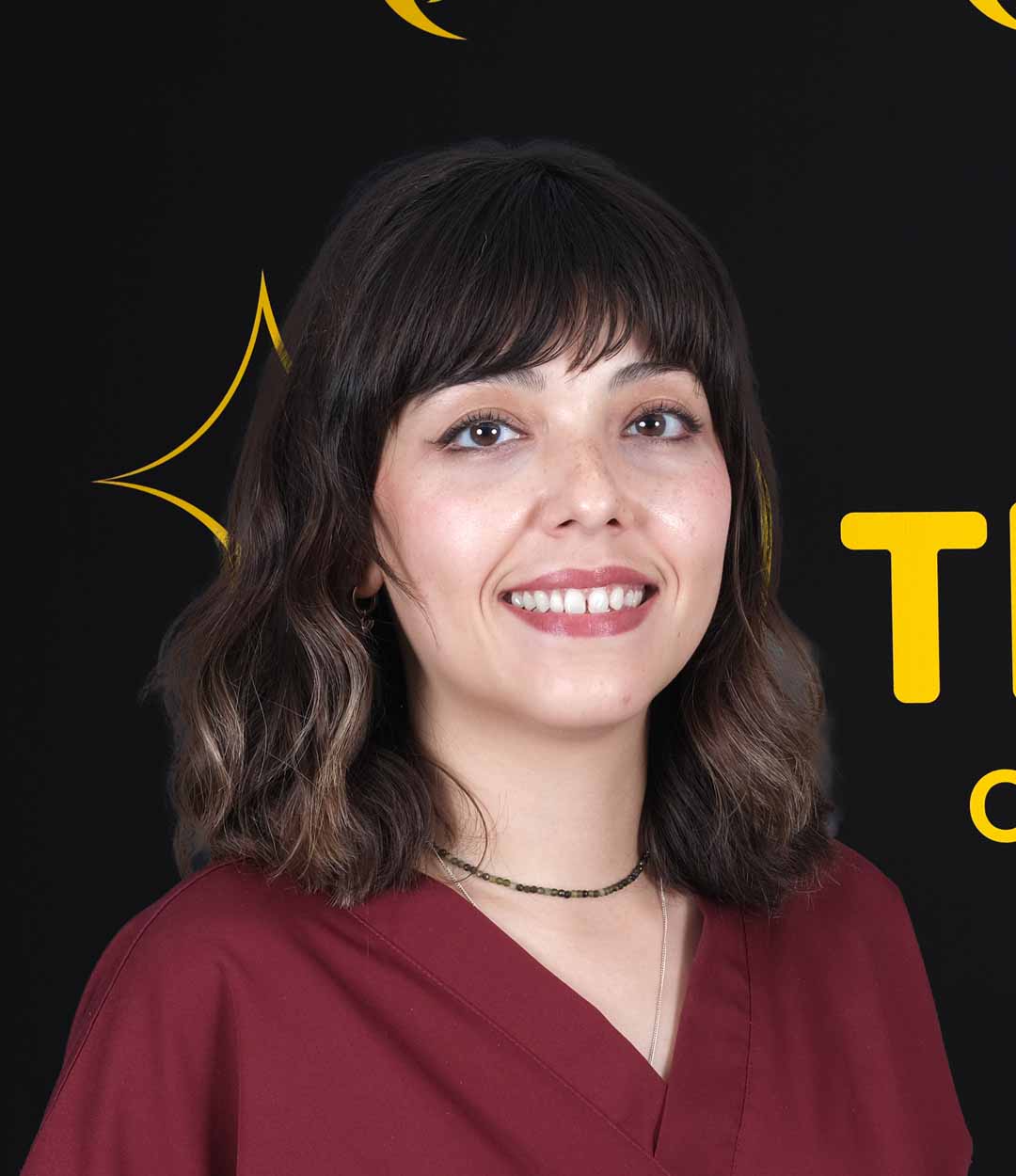
Dentist
Dt. Sevilay Özge Yağcı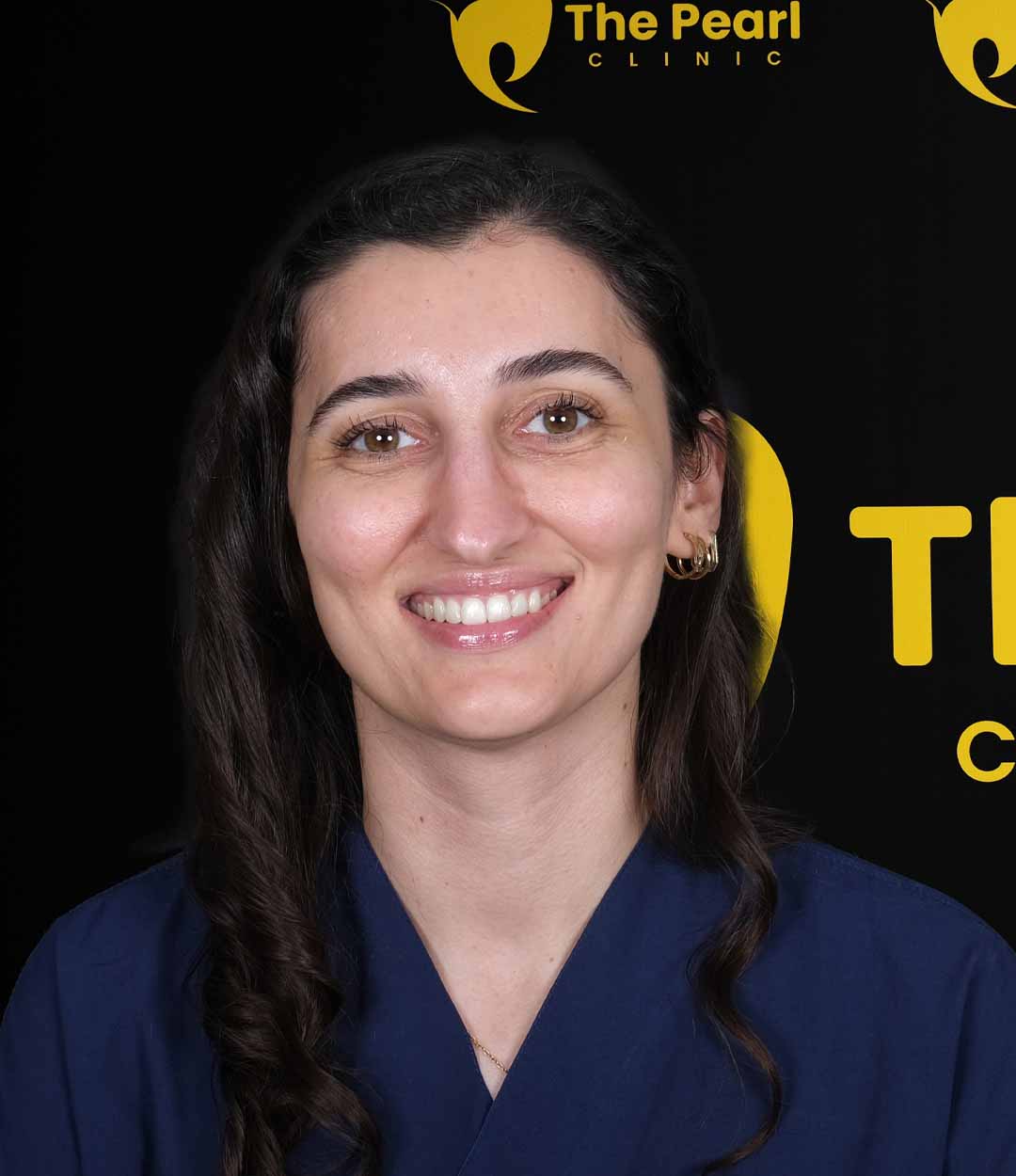
Dental Surgeon
Dt. Tuğba Taş Mammadov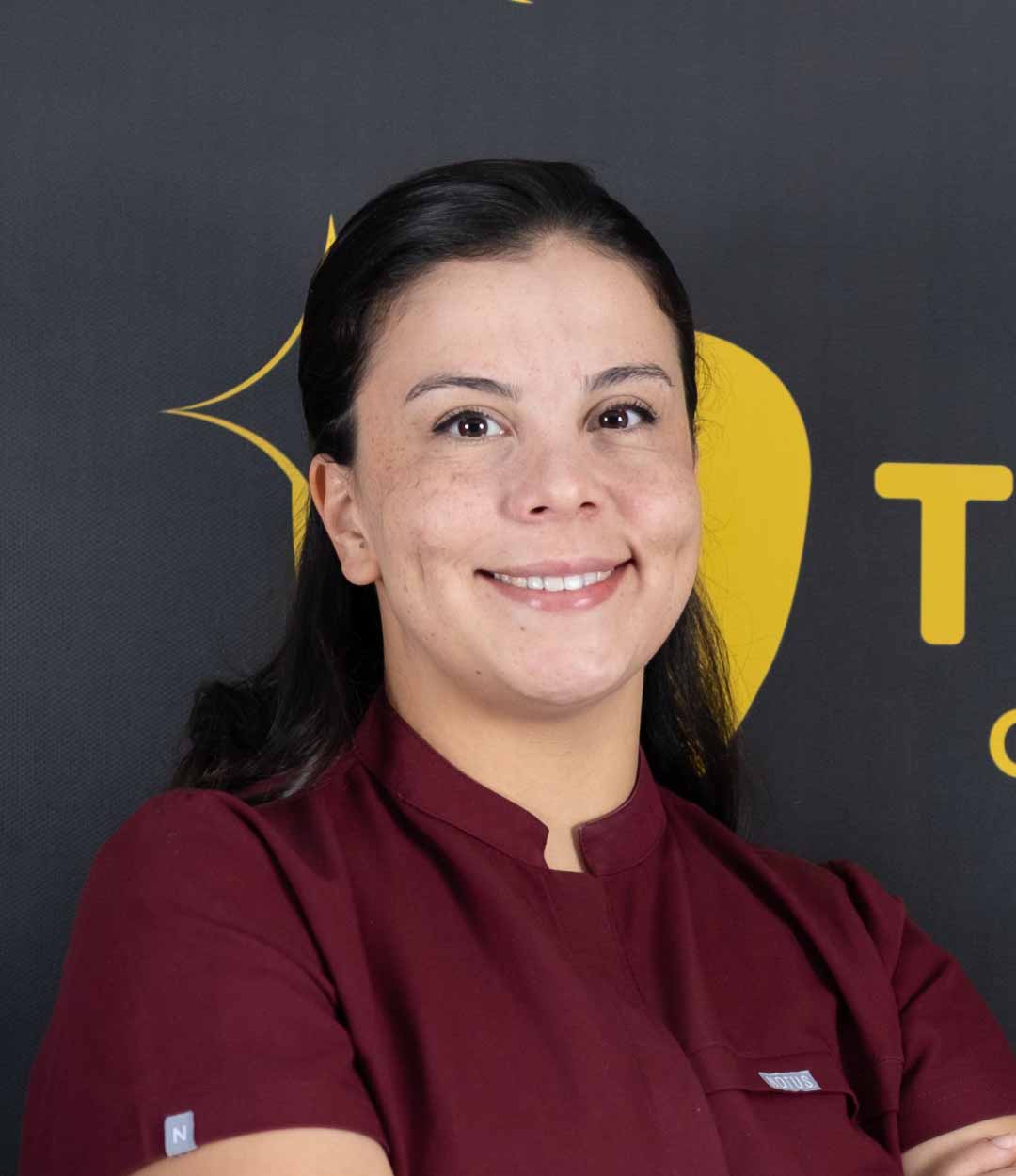
Dentist
Dt. Seda Gür
General Manager
Ebru Kırcalıoğlu13. Before You Travel & How to Maintain Your Restoration
What to prepare before travelling to Turkey
- Recent dental X-rays, if available
- Information about existing dental problems
- Previous treatment records
- Details of medications or allergies
- Information about previous dental restorations
- Photographs of the teeth, if requested by the clinic
A preliminary consultation can help determine whether you may need a filling, inlay, onlay, crown or another treatment — but the final treatment plan should always be confirmed after an in-person clinical assessment.
How to maintain fillings, inlays and onlays
Brush twice a day
Use fluoride toothpaste and brush carefully around restored teeth.
Clean between your teeth
Floss or a suitable interdental aid removes plaque a toothbrush can't reach.
Limit frequent sugar intake
Frequent sugar exposure increases the risk of new decay around existing restorations.
Attend dental check-ups
Regular examinations let your dentist monitor both the restoration and the surrounding tooth.
Protect your teeth
If you grind or clench, ask your dentist whether a protective night guard is appropriate.
Don't ignore sensitivity or pain
Persistent pain, sensitivity, a change in your bite or a fractured restoration should always be assessed by a dentist.
14. Frequently Asked Questions (FAQ)
Is an inlay better than a filling?
An inlay and a filling are designed for different clinical situations. A composite filling is commonly used for small to moderate cavities, while an inlay may be considered when the damaged area is larger but the tooth's cusps remain intact. The appropriate option depends on the amount of healthy tooth structure and the forces placed on the tooth.
Is an onlay the same as a crown?
No. An onlay is a partial restoration that can cover one or more damaged cusps, while a crown generally covers the entire visible portion of a prepared tooth. An onlay may be considered when sufficient healthy tooth structure remains to support a partial restoration.
How long does a dental filling take?
Many composite fillings can be completed during a single dental appointment. The exact treatment time depends on the number of teeth being treated and the extent and location of the decay.
How many appointments are needed for an inlay or onlay in Turkey?
Indirect restorations such as inlays and onlays commonly require more than one stage. The first stage may involve examination, tooth preparation and digital scanning, followed by laboratory production. A subsequent appointment is used to check and fit the final restoration. The exact schedule depends on the treatment plan and laboratory workflow.
Are dental inlays and onlays painful?
The preparation of an inlay or onlay is normally performed under local anaesthesia when required. Patients may experience some sensitivity after treatment, but persistent or severe discomfort should be assessed by a dentist.
Are E-max inlays and onlays durable?
E-max is a lithium disilicate ceramic commonly used for aesthetic dental restorations. Its suitability depends on the individual tooth, restoration design, bite forces and clinical requirements. Your dentist should determine whether E-max is appropriate for your case.
Can an onlay replace a crown?
In selected cases, an onlay may be used instead of a crown when enough healthy tooth structure remains. However, an onlay cannot replace a crown in every situation — extensive fractures, severe structural loss or other clinical factors may make a full crown more appropriate.
Are dental inlays more expensive than fillings in Turkey?
Inlays generally involve additional laboratory work and more complex treatment than direct composite fillings, so their price can be higher. The final cost depends on the material, number of teeth, restoration type and individual treatment requirements.
How much do dental fillings cost in Turkey?
The cost of a dental filling in Turkey varies depending on the material, number of teeth, complexity of the restoration and clinic. A personalised assessment is required to provide an accurate treatment quotation.
How much do dental inlays and onlays cost in Turkey?
The price of an inlay or onlay depends on factors such as the material, tooth location, restoration size, laboratory process and number of teeth treated. Contacting the clinic with your dental records can help establish a preliminary treatment plan and estimated cost.
How long do dental inlays last?
The lifespan of an inlay varies between patients. Oral hygiene, chewing forces, tooth condition, material, bonding and regular dental care can all affect longevity. A dentist should monitor the restoration during routine examinations.
How long do dental onlays last?
A well-planned and properly maintained onlay can provide long-term restoration. However, no dental restoration has an unlimited lifespan — bruxism, poor oral hygiene, recurrent decay, trauma and other factors can affect it.
Can I eat normally after a dental filling?
After a composite filling, patients can generally return to normal eating once the effects of local anaesthesia have worn off. Your dentist may give specific instructions depending on the treatment.
Can I eat normally after an inlay or onlay?
Your dentist may recommend waiting until the restoration has been permanently bonded and the local anaesthetic has worn off before eating normally. Specific instructions depend on the material and bonding procedure.
Can dental inlays and onlays stain?
Ceramic restorations are generally resistant to staining compared with natural tooth structure and some resin-based materials. However, the surrounding natural teeth can still become stained, particularly with frequent coffee, tea or tobacco use.
How do I clean dental inlays and onlays?
Maintain normal oral hygiene by brushing twice daily, cleaning between the teeth and attending regular dental examinations. The restoration itself doesn't eliminate the need to clean the surrounding natural tooth structure.
Are dental fillings in Turkey safe?
The safety of dental treatment depends on appropriate diagnosis, qualified dental professionals, suitable materials, proper infection-control procedures and appropriate clinical protocols. Patients should research the clinic and dental professionals before travelling for treatment.
Why do UK patients choose dental treatment in Turkey?
Patients may consider Turkey because of treatment costs, availability of dental services, digital technology and international patient facilities. However, patients should compare complete treatment plans and clinical standards rather than making a decision based only on price.
Can I have an online consultation before travelling to Antalya?
International patients can contact The Pearl Clinic Antalya before travelling to discuss their dental concerns and potential treatment options. A final diagnosis and treatment plan may require an in-person clinical examination.
Do I need an X-ray before an inlay or onlay?
An X-ray may be recommended depending on the tooth and the suspected extent of decay or structural damage. The dentist will determine which diagnostic examinations are appropriate.
Can an old filling be replaced with an inlay or onlay?
In some cases, an old filling can be replaced with an indirect restoration if the tooth has sufficient healthy structure and the clinical conditions are appropriate. The existing restoration and underlying tooth must first be examined.
How do I know whether I need a filling, inlay, onlay or crown?
The best way to determine the appropriate restoration is through a dental examination. The dentist will assess the size and location of the damage, remaining tooth structure, cusps, bite forces and overall condition of the tooth before recommending a treatment.
Can I combine fillings, inlays and onlays with other dental treatments in Turkey?
Yes, treatment plans can include different restorative procedures when several teeth have different clinical requirements — for example, one tooth may need a filling while another requires an inlay, onlay or crown. The plan should be based on the condition of each individual tooth.
Is restorative dentistry in Antalya suitable for international patients?
Antalya has a well-established international healthcare and tourism infrastructure, and dental clinics provide a range of treatments for patients travelling from abroad. International patients should check the clinic's credentials, treatment plan, materials, aftercare arrangements and the qualifications of the treating dental professionals before travelling.
How can I start my dental treatment in Antalya?
The first step is to contact The Pearl Clinic Antalya with information about your dental concerns. Where appropriate, photographs or existing dental records can help the team understand your situation before your visit. Following an examination, the dentist can recommend the appropriate restorative treatment and explain the treatment stages.
Find Out Which Restoration Is Right for Your Tooth
Dental fillings, inlays and onlays all have an important role in modern restorative dentistry, and the correct treatment is never just about choosing the strongest or most expensive option. Contact The Pearl Clinic Antalya to discuss your dental treatment options in Turkey and find out whether a filling, inlay, onlay or another restorative solution may be right for your teeth.
Chat on WhatsAppThe Pearl Clinic Antalya — Restorative, Cosmetic & Implant Dentistry in Antalya, Türkiye
info@thepearlclinicantalya.com | Instagram | Facebook | TikTok
Results may vary from person to person. All dental treatments are subject to individual clinical assessment and suitability.