Are Dental Implants Safe During Pregnancy?
Are Dental Implants Safe During Pregnancy? What Every Mum-to-Be Should Know
Elective implant surgery is generally postponed during pregnancy — but that doesn't mean all dental care has to stop. Here's what to consider, when to seek advice and how to plan your treatment around pregnancy.

Planning a new smile is a big decision — but what happens when your dental treatment plans coincide with pregnancy? Many women ask whether they can have implants while expecting, whether dental X-rays are safe, and whether they should wait until after giving birth. The most important thing to understand is that elective dental implant surgery is generally postponed during pregnancy, but this does not mean that all dental treatment must stop. Preventive care, examinations and necessary treatment for dental problems can often be provided safely with appropriate precautions.
1. Is It Safe to Get Dental Implants During Pregnancy?

In most cases, dentists recommend postponing planned dental implant surgery until after pregnancy.
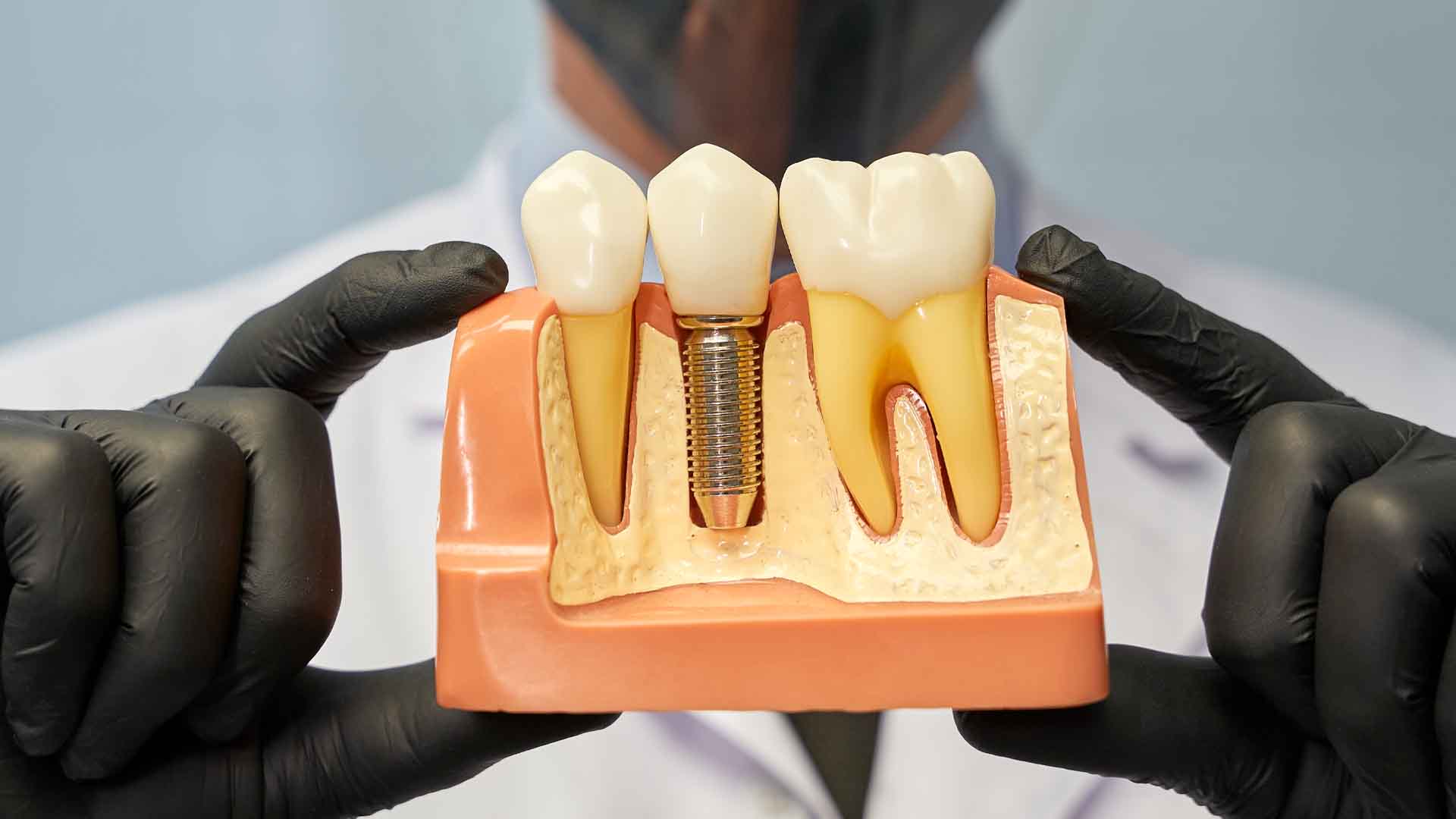
A dental implant is a small titanium or other biocompatible fixture placed into the jawbone to support a replacement tooth, bridge or full-arch restoration. The procedure requires careful assessment, surgical planning, appropriate anaesthesia and a period of healing while the implant integrates with the surrounding bone. Although implants are an established treatment for replacing missing teeth, pregnancy introduces additional considerations when planning elective surgery:
1. The nature of the procedure
Implant placement involves oral surgery and a healing period. Since the procedure is usually elective, there is generally little benefit in introducing avoidable treatment demands during pregnancy when the operation can be planned for a later date.
2. Treatment planning and imaging
Implant planning may involve conventional dental X-rays or three-dimensional imaging such as cone-beam computed tomography (CBCT). Imaging should always be justified by clinical need. Necessary dental X-rays are not automatically prohibited during pregnancy, but the need for imaging should be assessed carefully when planning an elective procedure.
3. Medication and pain management
Dental surgery may require local anaesthesia and, depending on the clinical situation, pain relief or antibiotics. Your dentist should review any proposed medication with your pregnancy stage and medical history in mind, and your obstetrician or maternity care team may also need to be involved.
4. Comfort and recovery
Pregnancy can affect sleep, nausea, energy levels and the ability to stay comfortably positioned during longer appointments. These practical considerations matter when planning an operation and the recovery period that follows.
Pregnant and Planning Future Treatment?
Tell us your expected delivery date and send your questions — our team can explain what can be discussed now and what is best planned for later.
2. Can Dental Implants Harm Your Baby?
There is no reason to assume that every dental procedure presents a danger to a developing baby. The important distinction is between necessary dental care and elective surgery that can safely wait.
Dental implant surgery is generally deferred because it is an elective procedure involving several stages of treatment — not because every component of dental care is known to be harmful during pregnancy. The American Dental Association and the American College of Obstetricians and Gynecologists recognise that preventive, diagnostic and restorative dental care can be provided during pregnancy when appropriate. Necessary treatment for tooth decay, infection and dental pain should not be neglected simply because you are expecting a baby.
If you have already had a dental X-ray or received dental treatment before discovering that you were pregnant, avoid unnecessary panic. Contact your dentist and pregnancy care provider to discuss the specific circumstances. Every situation is different, and individual advice is more useful than making assumptions about risk.
3. Can You Have Dental X-Rays During Pregnancy?
This is one of the most common concerns for women considering dental treatment. Dental X-rays help dentists assess teeth, roots and supporting bone, and three-dimensional scans may be important when evaluating jawbone anatomy before implant placement.
According to current American Dental Association guidance, dental radiographs can be used during pregnancy when clinically necessary. They should not be described as universally forbidden.
However, an important distinction applies to elective implant treatment. If you do not have an urgent dental problem, there is usually no need to rush into implant planning that requires additional investigations during pregnancy. Your dentist can discuss what information is needed now, what can be deferred, and whether existing dental records or previous scans are useful.
When imaging is clinically necessary, the dental team should follow current radiation-safety recommendations and use an appropriate examination for the individual patient. At The Pearl Clinic Antalya, implant planning is based on clinical assessment, and the timing of any examination or scan takes pregnancy into account.
4. Which Dental Treatments Are Safe During Pregnancy?
Avoiding elective implant surgery does not mean avoiding your dentist. Hormonal changes may make the gums more sensitive to plaque, while nausea, vomiting, dietary changes and difficulty maintaining oral hygiene can contribute to dental problems. Regular oral care remains important.
Depending on your circumstances and your dentist's assessment, appropriate care during pregnancy may include:
- Routine dental examinations
- Professional cleaning and preventive care
- Assessment of bleeding or swollen gums
- Treatment of tooth decay
- Root canal treatment when clinically indicated
- Dental extractions when necessary
- Management of dental infections and pain
Dental X-rays and local anaesthesia may also be used when clinically appropriate. Your dentist should select suitable medications and take your pregnancy and medical history into account.
5. Is the Second Trimester the Best Time for Dental Implants?
 You may have heard that the second trimester is the safest time for dental treatment. There is an important distinction between necessary dental care and elective implant surgery.
The second trimester is often a practical period for providing certain dental treatments when they are needed. Some women find appointments more comfortable at this stage than in early pregnancy, when nausea may be more prominent, or late pregnancy, when sitting in one position can become difficult.
If you need urgent dental treatment at any stage of pregnancy, your dentist can assess the problem and coordinate with your maternity care provider when necessary. The decision should be based on the treatment required, the risks of delaying it and your individual medical circumstances.
Explore Our Real Implant Cases
View All Cases →



6. When Can You Get Dental Implants After Giving Birth?
There is no single date that applies to every new mother. The right time to begin implant treatment depends on your recovery after childbirth, your general health, your oral health and the complexity of the proposed procedure. For some women, a dental assessment can be arranged relatively soon after delivery; others may prefer to wait until their routine is more settled.
Your dentist may consider:
- Whether you have recovered sufficiently from childbirth
- Whether you have any ongoing medical complications
- Whether your gums and remaining teeth are healthy
- Whether additional treatment is needed before implant placement
- Which medicines you are taking
- Whether you are breastfeeding
- How much time you can comfortably dedicate to appointments and recovery
7. Can You Have Dental Implants While Breastfeeding?
This question often arises when women begin planning dental treatment after pregnancy. Breastfeeding alone is not a universal contraindication to dental implants. However, surgery, medication choices and recovery should be assessed individually.
Your dental team may need to consider local anaesthesia, any prescribed antibiotics, suitable pain relief and the practical demands of your treatment schedule. Do not stop breastfeeding or discontinue a prescribed medicine without discussing the situation with the relevant healthcare professional.
If you are considering implants after giving birth, a consultation can help establish whether you are ready to proceed, whether further examinations are needed and how treatment can be arranged around your circumstances. For women travelling internationally for dental care, these discussions are particularly useful because the treatment schedule may involve several appointments and a planned recovery period.
8. What If You Already Have Missing Teeth During Pregnancy?

Missing teeth can affect chewing, bite function and the distribution of forces across the remaining teeth. Depending on the location and your existing oral health, they may also affect the way you speak or eat certain foods. However, not every missing tooth requires immediate replacement. Your dentist can assess whether the gap can be monitored temporarily or whether an alternative treatment is necessary. Possible options depend on the individual case:
Monitoring
If the missing tooth is not causing an urgent problem, your dentist may recommend monitoring the area and planning definitive treatment later.
A temporary restoration
In selected cases, a temporary tooth replacement may be considered to improve function or appearance while definitive treatment is postponed.
A dental bridge or removable option
Depending on the surrounding teeth and the clinical situation, an alternative restoration may be appropriate. These options are not suitable for every patient.
Implant treatment after pregnancy
Once you are ready for surgery, your dentist can assess the bone, gums and bite to determine whether an implant is appropriate.
The purpose of delaying elective implant surgery is not to leave you without care. It is to identify what needs attention now and what can be planned for a more suitable time.
9. Planning Dental Implants in Turkey While Pregnant
If you are based in the UK and considering dental implants in Turkey, you may be researching clinics, treatment options and travel arrangements well before you are ready for surgery. Pregnancy does not prevent you from gathering information and asking questions about future treatment — and planning ahead can help you understand the process without feeling pressured to make immediate decisions. Here are five useful steps.
1. Gather Your Existing Dental Records
If you have recent dental X-rays, treatment summaries or information about previous implants, keep them available for your future consultation. Your dentist will determine whether these records are suitable for planning or whether updated examinations will be required later.
2. Explain Your Pregnancy and Expected Delivery Date
When contacting a dental clinic, explain that you are pregnant, including your expected delivery date if you know it. This helps the team distinguish between advice you can receive now and procedures that should be considered after pregnancy.
3. Discuss Your Long-Term Treatment Goals
Think about what you would like to address: a single missing tooth, several missing teeth, failing crowns or a more extensive full-mouth restoration. The appropriate solution depends on your clinical needs, not simply on the type of treatment you have seen advertised.
4. Understand the Number and Timing of Visits
Dental implants may require more than one visit, especially when healing and the integration of implants with the jawbone are involved. If you are considering travelling from the UK to Antalya, ask about the expected treatment stages, the interval between visits and the circumstances in which the schedule might change.
5. Request an Individual Assessment
Online communication can be a useful starting point. You may be able to share photographs, explain your dental history and discuss your goals with the dental team. However, photographs alone cannot establish whether you are suitable for implants — a definitive treatment plan may require a clinical examination and appropriate diagnostic imaging.

Prefer to Talk Face-to-Face?
Meet our team at a UK Dental Meet-Up event to discuss your dental history, your future treatment goals and the right timing for your care.
Book Your UK Appointment10. Why Consider The Pearl Clinic Antalya for Future Dental Treatment?
When planning dental treatment abroad, choosing a clinic involves more than comparing package prices. You need to understand the proposed treatment, the qualifications and experience of the clinical team, the diagnostic process and the arrangements for follow-up care. The Pearl Clinic Antalya provides dental services for international patients, including patients travelling from the UK, and our approach to treatment planning focuses on individual dental needs and the clinical information required to make appropriate recommendations.
Digital Planning and Implant Dentistry
Dental implant treatment requires careful evaluation of the available bone, the gums, the bite and the position of neighbouring teeth. Digital diagnostic tools can support this process where clinically indicated. The precise approach depends on your case and the findings of your examination.
Treatment Options for Different Needs
Some patients require a single dental implant, while others may need several implants or a full-arch restoration. There is no single solution that is right for everyone. Your dentist should explain the available options, their limitations and the reasons for recommending a particular approach.
Support for International Patients
Travelling for dental treatment requires practical planning as well as clinical preparation. The Pearl Clinic Antalya offers treatment arrangements for international patients that can include accommodation and transfers, depending on the package selected. Before confirming any booking, make sure the proposed dates, treatment stages and travel arrangements are appropriate for your circumstances.
If you are pregnant, elective implant surgery should be discussed for a later date. You can still contact our team to ask questions about future treatment and understand what information may be needed for an assessment.
Ready to Explore Your Options?
Contact The Pearl Clinic Antalya to discuss your dental needs and plan your next steps at the appropriate time.
11. Your Pregnancy Is Not a Reason to Ignore Your Oral Health
Pregnancy can bring many changes, but looking after your teeth and gums remains an important part of your overall healthcare. If you were planning dental implants before discovering that you were pregnant, you do not necessarily need to abandon your plans — you may simply need to adjust the timing.
If you already have missing teeth, discomfort or concerns about your bite, seek an assessment rather than assuming that nothing can be done until delivery. And if you are considering a dental holiday in Antalya, use this period to research your options, understand the treatment process and prepare questions for your future consultation.
12. Frequently Asked Questions (FAQ)
Can you get dental implants during pregnancy?
Elective dental implant surgery is generally postponed until after pregnancy. Implant placement involves surgery, treatment planning and healing, so it is usually preferable to wait when the procedure is not urgent. Necessary dental care should still be assessed and provided when appropriate.
Is dental implant surgery dangerous during pregnancy?
It is not accurate to say that every dental procedure is dangerous during pregnancy. However, implant surgery is generally considered elective and is usually deferred. Your dentist can explain the considerations in your individual case.
Can dental X-rays be taken during pregnancy?
Yes. Necessary dental X-rays are not automatically prohibited during pregnancy. They may be performed when clinically indicated, following appropriate radiation-safety recommendations. Elective implant imaging can often be planned for a later date.
Can I have local anaesthesia while pregnant?
Certain local anaesthetics can be used during pregnancy when clinically appropriate. The dentist should consider the medication, dosage, your medical history and the treatment required.
Is the second trimester safe for dental implants?
The second trimester is often a practical time for necessary dental treatment, but this does not make it the preferred time for elective implant surgery. Planned implant placement is generally postponed until after pregnancy.
Can I have a tooth extraction while pregnant?
Necessary extractions may be performed during pregnancy when clinically indicated. A dentist should assess the problem and determine the appropriate timing, anaesthesia and aftercare. An urgent infection should not be ignored.
When can I get dental implants after giving birth?
The timing varies according to your recovery, general health, oral condition and treatment requirements. Arrange an assessment with your dentist to establish when surgery would be appropriate for you.
Do I have to stop breastfeeding before getting dental implants?
Not necessarily. Breastfeeding does not automatically prevent implant treatment. The dentist should review the procedure and any medicines involved, with advice from your healthcare professional when needed.
Can I plan dental implants in Turkey while pregnant?
Yes. You can research clinics, discuss future treatment options and gather existing dental records. However, a definitive treatment plan may require an examination and diagnostic imaging, and elective implant surgery is generally postponed until after pregnancy.
Can I have dental treatment abroad while pregnant?
Travel and dental care decisions depend on your pregnancy, health and the treatment required. Necessary dental problems should be assessed promptly. Before travelling internationally, discuss your plans with your maternity care provider and dentist, and avoid booking elective implant surgery during pregnancy.
What should I do if I have tooth pain while pregnant?
Contact a dentist promptly. Tooth pain may indicate decay, inflammation or infection. Appropriate assessment and treatment can often be provided during pregnancy. Facial swelling, fever or worsening symptoms need urgent attention; difficulty breathing or swallowing requires emergency care.
Can I receive a dental implant treatment plan online?
An online consultation can be a useful first step for discussing your dental history, concerns and future treatment goals. Photographs and existing records may help the team understand your situation, but they cannot replace a clinical examination and any necessary diagnostic imaging.
Can The Pearl Clinic Antalya help me plan treatment after pregnancy?
You can contact The Pearl Clinic Antalya to discuss your dental needs and potential future treatment options. The timing and suitability of implant treatment will depend on your individual clinical assessment and recovery.
Plan Your Dental Journey Around Pregnancy, Recovery and Family Life
Contact The Pearl Clinic Antalya to discuss your future dental treatment and find out how to plan it at the right time for you.
Chat on WhatsAppThe Pearl Clinic Antalya — Dental Implants & Advanced Dentistry in Antalya, Türkiye
info@thepearlclinicantalya.com | Instagram | Facebook | TikTok
Medical disclaimer: This article provides general educational information and does not replace individual dental or obstetric advice. Pregnancy, medication use and treatment decisions should be assessed by qualified healthcare professionals. Individual treatment recommendations and outcomes vary.