How to Remove Coffee Stains from Teeth?
How to Remove Coffee Stains from Teeth: 5 Dentist-Approved Ways
Love your morning coffee but not what it's doing to your smile? You don't have to give it up. Here are 5 safe, dentist-approved ways to lift coffee stains — plus the popular "hacks" that could damage your enamel.

Coffee is a daily ritual for millions of people — but cup by cup, it can leave your teeth looking dull, yellow or patchy. The good news? Most coffee stains are surface stains, and surface stains can usually be removed. The key is choosing the right method for the type of stain you have, and avoiding the internet "quick fixes" that wear away the enamel you're trying to brighten. Here's exactly what we recommend to our patients at The Pearl Clinic Antalya.
1. Why Does Coffee Stain Your Teeth?
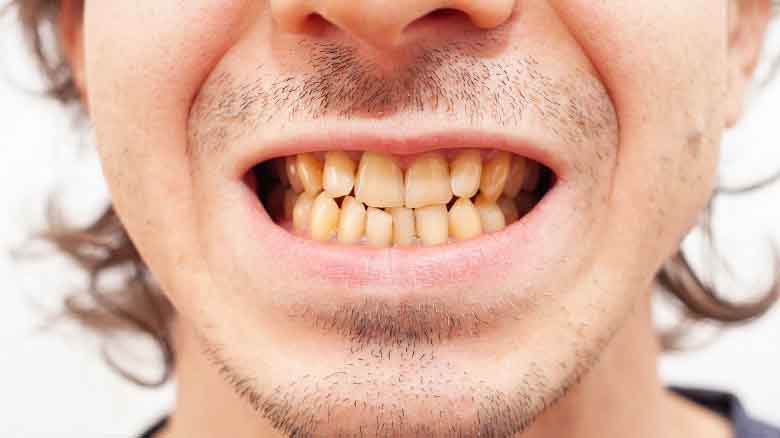
Coffee contains natural colour compounds called chromogens, along with tannins that help those pigments cling to tooth surfaces. Enamel looks smooth, but under a microscope it's full of tiny ridges and pores. Over time, pigments settle into these areas and build up, especially where plaque collects along the gumline and between teeth.
Coffee is also mildly acidic. Frequent sipping throughout the day keeps your mouth in a more acidic state for longer, which can make enamel more vulnerable and stains easier to grab hold of.
| Extrinsic (Surface) Stains | Intrinsic (Deep) Discolouration | |
|---|---|---|
| Where it is | On the outer enamel surface | Within the tooth structure |
| Common causes | Coffee, tea, red wine, tobacco, plaque build-up | Ageing, long-term staining, trauma, some medications |
| What usually helps | Better hygiene, whitening toothpaste, professional cleaning | Professional teeth whitening (or restorations in some cases) |
2. Surface Stain or Deep Discolouration? A Quick Self-Check
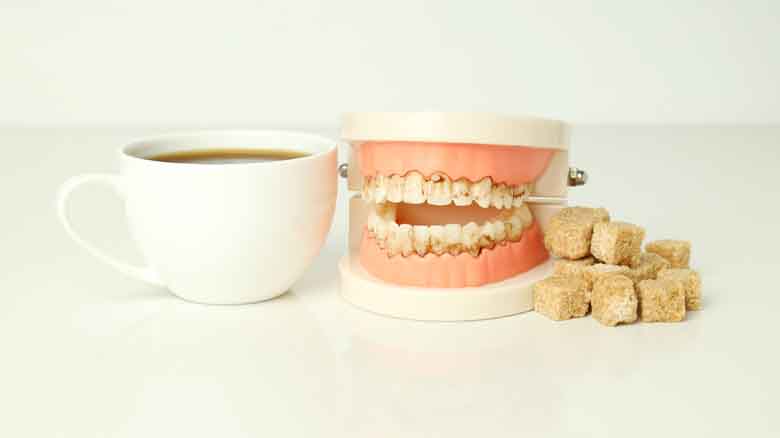
Only a dentist can tell you for certain, but these clues can help you guess what you're dealing with:
- Brown or yellow patches that are darker near the gumline or between teeth — often surface stains
- Stains that look lighter right after a professional cleaning — likely surface stains
- An overall yellow tone across all your teeth, even when they're clean — often deeper discolouration
- Teeth that have gradually darkened over many years — often age-related or intrinsic
- A single tooth that's noticeably darker than the rest — see a dentist, as this can have other causes
Not Sure What Kind of Stains You Have?
Send us a clear photo of your smile in natural daylight — our team will tell you which options could work for you.
3. 5 Dentist-Approved Ways to Remove Coffee Stains
From simple daily changes to professional treatments, here are the methods that genuinely work — starting with the easiest.
Way 1: Upgrade Your Daily Oral Hygiene
Good habits stop new stains from building up and make existing surface stains easier to remove.
Brush twice a day for two minutes
Use a fluoride toothpaste and a soft-bristled brush, paying extra attention to the gumline where stain-catching plaque collects. An electric toothbrush can make thorough cleaning easier.
Clean between your teeth every day
Coffee stains often show up first between teeth. Floss or interdental brushes remove the plaque that pigments stick to.
Mind your timing
Rinse with water straight after coffee. If you'd like to brush, waiting around 30 minutes after acidic food or drinks is often recommended, so you're not brushing softened enamel.
Way 2: Use a Whitening Toothpaste (for Mild Stains)
Whitening toothpastes contain gentle polishing agents that help reduce surface discolouration. Used as directed, they can noticeably freshen up mild coffee stains over a few weeks.
Way 3: Book a Professional Dental Cleaning
A professional scale and polish removes plaque, tartar and stubborn surface stains that brushing at home simply can't shift. For many coffee drinkers, it's the fastest way to see a real difference — often in a single appointment.
It's also a smart first step before whitening: once your teeth are clean, your dentist can see your true underlying shade and tell you whether whitening is worth it.
Way 4: Choose Professional Teeth Whitening
For deeper or long-standing discolouration, professional whitening uses peroxide-based gels to lighten the colour of natural tooth structure itself. At The Pearl Clinic Antalya, options can include:
- In-office whitening — the gel is applied in the clinic, with laser or LED light used where the system calls for it, for a visible change in a single appointment.
- Dentist-supervised home whitening — custom trays and a prescribed gel used over a set period for gradual results.
How many shades lighter your teeth become depends on your starting colour, the type of staining and how your teeth respond — so your dentist will tell you what's realistic before you begin. Temporary sensitivity is common and usually settles. Learn more in our guide to professional teeth whitening in Antalya.
Way 5: Make Smart Coffee Habits
You don't have to quit coffee — just drink it a little smarter:
- Drink it, don't sip it all day. Enjoying your coffee in one sitting means less constant exposure than sipping for hours.
- Rinse with water afterwards. A quick swish helps wash pigments away before they settle.
- Use a straw for iced coffee. It reduces contact with your front teeth.
- Chew sugar-free gum. It stimulates saliva, your mouth's natural cleaning system.
- Go easy on sugar. Sugary coffees feed the bacteria that cause plaque and decay.
- Keep up regular check-ups. Routine cleanings stop stains from building up again.
4. Which Method Is Right for You? Side-by-Side Comparison
| Method | Best For | How Fast | Changes Inner Tooth Colour? |
|---|---|---|---|
| Daily oral hygiene | Preventing new stains | Ongoing | No |
| Whitening toothpaste | Mild surface stains | A few weeks | No |
| Professional cleaning | Stubborn surface stains, tartar | One appointment | No |
| Professional whitening | Deeper, long-standing discolouration | One visit (in-office) or a few weeks (home) | Yes, for natural teeth |
| Smart coffee habits | Keeping results longer | Ongoing | No |
Ready for a Brighter Smile?
Tell us about your coffee habits and send a smile photo. We'll recommend the right next step and send a personalised quote.
5. DIY "Hacks" to Avoid: Baking Soda, Charcoal & Lemon
Social media is full of quick-fix whitening tricks. Some remove a little surface stain — but at a cost to your enamel, which doesn't grow back.
| "Hack" | Why We Don't Recommend It |
|---|---|
| Baking soda scrubs | Can lift some surface stains, but frequent or harsh use is abrasive and may wear enamel and irritate gums. |
| Charcoal powders & pastes | Often abrasive, with limited evidence for whitening; many don't contain fluoride to protect against decay. |
| Lemon, vinegar or strawberries | Acidic — they can soften and erode enamel, potentially making teeth look more yellow over time. |
| Unregulated online whitening kits | Unknown strength and poorly fitting trays can cause gum burns and sensitivity. |
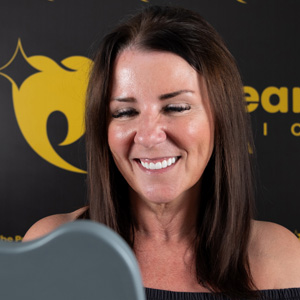
See Real Smile Transformations
View All Cases →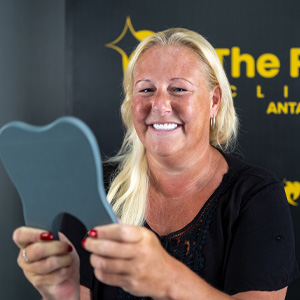

6. Have Crowns, Veneers or Fillings? Read This First
Whitening lightens natural teeth only. It doesn't change the colour of crowns, veneers, composite fillings or implant crowns. If you whiten your natural teeth, existing restorations may suddenly look darker in comparison — especially at the front of your smile.
Restorations can still pick up surface stains from coffee, and a professional polish can often freshen them up. If they've become permanently discoloured or you're planning new ones, whitening your natural teeth first lets your dentist match new restorations to your brighter shade. See our guide to zirconia crowns and shade matching.
Why Patients Choose The Pearl Clinic Antalya
7. When Should You See a Dentist About Stained Teeth?
Book a check-up if:
- Stains don't improve after a few weeks of better brushing and whitening toothpaste
- One tooth is noticeably darker than the others
- You notice dark spots or holes, which could be decay rather than staining
- Your teeth are sensitive, or your gums bleed when you brush
- You're considering whitening and want to know what's realistic for your teeth
Whitening isn't suitable for everyone — untreated decay, gum disease and some types of discolouration need attention first. A quick assessment tells you the safest, most effective route.
Watch Real Patient Smile Journeys
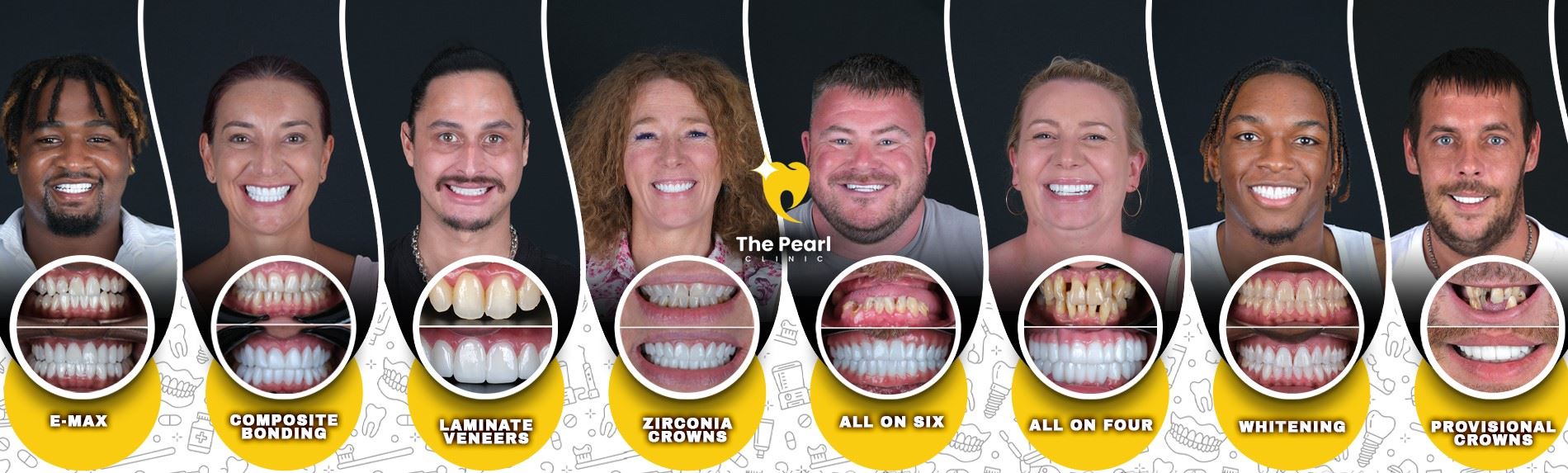
More on YouTube →Ready to go beyond stain removal? See how UK patients transformed their smiles at The Pearl Clinic Antalya.

Hollywood Smile Makeover
From the UK to Antalya
Shaun's 20-Crown Experience
OM3 Hollywood Smile
Natural-Looking Zirconia
Smile Makeover in Turkey
The Ultimate Transformation
Before & After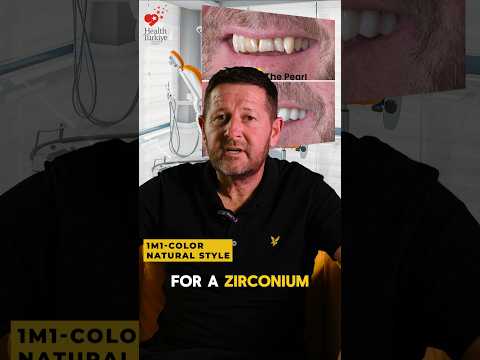
Real UK Patient Review
Zirconia Smile Makeover
This Smile Has the Force!
Zirconia Teeth in TurkeyHover to preview · Click to watch with sound
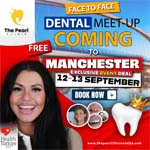
Meet Our Team in the UK
Join one of our face-to-face dental meet-ups in selected UK cities to talk about whitening, stains and smile design before you travel.
Book Your UK Appointment8. Frequently Asked Questions (FAQ)
Can coffee stains be completely removed?
Many coffee stains are surface stains that can be removed with a professional cleaning, and deeper discolouration often improves with professional whitening. How much your teeth lighten depends on your starting shade and the type of staining, so your dentist can tell you what's realistic.
How long does professional teeth whitening last?
It varies from person to person. With good oral hygiene and sensible coffee habits, results can last from several months to a few years. Smoking and frequent dark drinks make results fade faster.
Is laser teeth whitening safe?
When carried out after a dental assessment with a suitable product and proper gum protection, professional whitening is considered safe for suitable patients. Temporary sensitivity is common. The whitening gel does the work; the light is used only where the chosen system calls for it.
Can I remove coffee stains at home?
Mild surface stains often improve with thorough brushing, daily interdental cleaning and a reputable whitening toothpaste. Stubborn or deeper stains usually need a professional cleaning or whitening.
How can I stop coffee stains from coming back?
Drink your coffee in one sitting rather than sipping all day, rinse with water afterwards, brush twice daily with fluoride toothpaste, clean between your teeth and keep up regular check-ups and cleanings.
Does whitening toothpaste really work on coffee stains?
It can help with mild surface stains by polishing them away gradually. It doesn't change the natural colour inside your teeth, so it won't achieve the same result as professional whitening.
Does drinking coffee through a straw help?
A straw can reduce contact between the drink and your front teeth, so it's a useful habit for iced coffee. For hot coffee, rinsing with water afterwards and not sipping all day are usually more practical.
Should I brush my teeth straight after drinking coffee?
Rinsing with water straight away is a good habit. Because coffee is mildly acidic, many dentists suggest waiting around 30 minutes before brushing so you're not brushing softened enamel.
Is baking soda safe for whitening teeth?
Baking soda can remove some surface stains, but frequent or harsh use is abrasive and may wear enamel. We recommend a reputable fluoride toothpaste and dentist-supervised whitening instead.
Does charcoal toothpaste remove coffee stains?
Charcoal products are often abrasive and have limited evidence for whitening, and many don't contain fluoride. They may wear enamel over time, so we don't recommend them.
Does adding milk to coffee reduce staining?
Milk lightens the drink's colour, but coffee's staining compounds are still present. Your habits, such as rinsing afterwards and not sipping all day, make a bigger difference.
How often should I have a professional cleaning if I drink coffee?
It depends on how quickly stains and tartar build up for you. Many people benefit from a cleaning every six to twelve months, and your dentist can recommend the right interval.
Will whitening work on my crowns or veneers?
No. Whitening lightens natural teeth only and doesn't change the colour of crowns, veneers or fillings. A professional polish may freshen their surface, and discoloured restorations may need replacing to match.
Does teeth whitening cause sensitivity?
Temporary sensitivity is a common side effect and usually settles within a short time. Tell your dentist if you already have sensitive teeth so they can choose a suitable approach.
Can I combine teeth whitening with a trip to Antalya?
Yes, for many patients. In-office whitening is usually done in a single appointment, so it fits easily into a short stay. Contact The Pearl Clinic Antalya to plan your appointment around your trip.
Keep the Coffee. Lose the Stains.
Whether you need a professional clean, whitening or advice on keeping your smile bright, our team is here to help. Send us a photo today and find out which option is right for your teeth.
Chat With Us on WhatsAppThe Pearl Clinic Antalya — There's always a reason to smile! | About Us
info@thepearlclinicantalya.com | +44 20 4652 4100 | Instagram | Facebook | YouTube | TikTok
This article is for general information and does not replace a professional dental examination. Whitening results, suitability and side effects vary from person to person.