How Many Dental Implants Can You Get at Once?
How Many Dental Implants Can You Get at Once? A Complete Guide
One implant, six implants, or a full arch in a single visit? Here's what actually determines how many dental implants you can safely receive at once — and why the right number is rarely about a fixed maximum.

If you are missing several teeth, you may be wondering: how many dental implants can you get at once? The answer depends on several factors, including your oral health, available jawbone, the location of the missing teeth, your overall health and the type of implant treatment you need. At The Pearl Clinic Antalya, implant treatment is planned individually using clinical examination, dental imaging and digital planning — the goal is never to place as many implants as possible, but to determine exactly how many are needed for a stable, functional, natural-looking result.
1. How Many Dental Implants Can You Get at Once?
There is no universal number of dental implants that every patient can receive during one procedure. Depending on individual circumstances, it may be possible to place:
- One dental implant
- Two or three dental implants
- Several implants in one jaw
- Multiple implants in both jaws
- Four to six implants to support a full-arch restoration
- More extensive implant-supported restorations when clinically appropriate
The important distinction is between how many implants can technically be placed at once and how many implants a patient actually needs. A patient missing three teeth may not necessarily need three implants — an implant-supported bridge can sometimes replace several missing teeth using fewer implants. Likewise, someone who has lost most or all of their teeth doesn't need an individual implant for every gap: full-arch systems such as All-on-4 or All-on-6 use strategically positioned implants to support a complete fixed arch.
Wondering How Many Implants You'd Need?
Send us your dental photos or X-rays and our team can give you an initial idea before your full consultation.
2. Can Multiple Implants Be Placed at the Same Time?
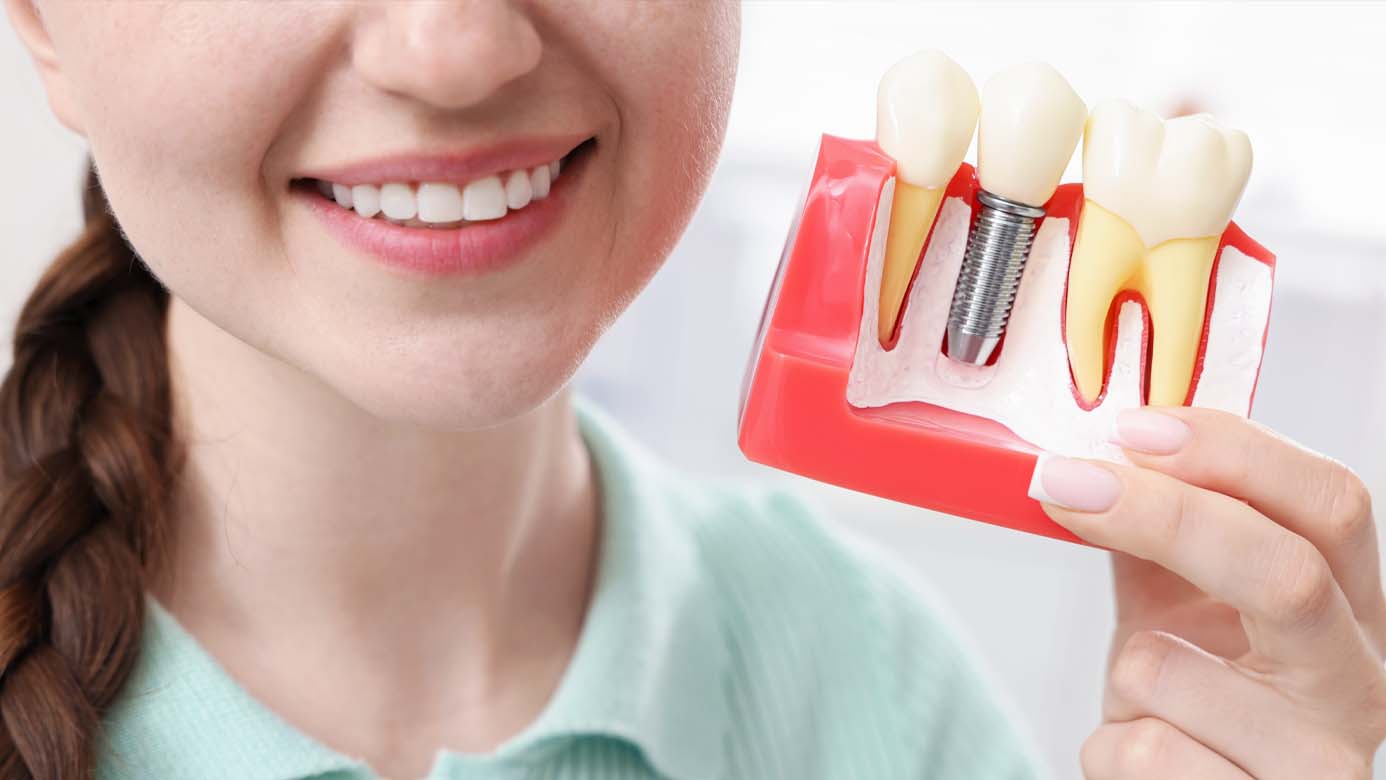
Someone missing several teeth in the same area, for example, may be able to have multiple implants placed in one procedure rather than undergoing separate surgeries for each tooth. Even so, every implant position must be evaluated individually — bone volume, bone density, proximity to anatomical structures and the condition of neighbouring teeth can all influence the plan.
3. How Many Implants Can Be Placed in One Day?
In suitable cases, several dental implants can be placed during a single day. There is no universal "maximum number" that applies to everyone — the practical limit depends on the complexity of the surgery, the patient's anatomy, the treatment plan and whether additional procedures are required.
For patients undergoing full-arch treatment, it's possible to place multiple implants in one jaw during the same surgical session. All-on-4 treatment, for instance, uses four implants to support a complete dental arch, while All-on-6 uses six when the clinical situation is appropriate. That doesn't mean four or six is automatically right for every patient — the number and position of implants should always follow a detailed examination and appropriate imaging.
Explore Our Real Implant Cases
View All Cases →



4. How Many Implants Do You Need for a Full Mouth?
Full-mouth implant treatment does not necessarily mean placing one implant for every missing tooth. The number required depends on the restoration being planned.
Single missing tooth
A single missing tooth can often be replaced with one dental implant and a crown. The implant acts as an artificial tooth root, while the crown restores the visible part of the tooth.
Several missing teeth
If several adjacent teeth are missing, patients may be treated with multiple implants supporting individual crowns, or an implant-supported bridge. Three missing teeth, for example, don't always require three separate implants — depending on the circumstances, two implants may support a three-unit implant bridge.
Full dental arch
Patients who have lost most or all teeth in one jaw may be candidates for full-arch implant treatment. Depending on bone availability and the treatment concept, a full arch may be supported by four, six, or another clinically appropriate number of implants — which is why full-mouth implants should be planned around the patient's anatomy rather than simply by counting missing teeth.
5. What Determines How Many Dental Implants You Can Have?
1. Jawbone volume
Implants need adequate bone support for predictable integration. Significant bone loss after tooth loss may call for bone grafting, sinus augmentation, alternative or angled implant positioning, or other specialised techniques. A 3D dental scan provides valuable information on the bone and anatomical structures available.
2. Gum and oral health
Healthy gums are essential for successful implant treatment. Active periodontal disease, untreated infections or poor oral hygiene may need addressing before or alongside implant placement, since an unhealthy oral environment increases the risk of complications.
3. Location of the missing teeth
Front-of-mouth implants often carry different aesthetic requirements than back-of-mouth implants, where chewing forces are greater. The upper and lower jaws also differ anatomically — in the upper posterior region, for instance, proximity to the maxillary sinus can affect planning.
4. Bone density and quality
Having enough bone doesn't mean the quality is identical throughout the jaw. Bone density influences implant stability and surgical approach, and digital imaging helps the dental team assess this before treatment.
5. Overall health
Certain medical conditions and medications can affect healing or surgical risk. This doesn't automatically rule out implants — it means the dental team needs a clear picture of your medical history before building the treatment plan.

Discuss Your Case in Person First
Meet our team face-to-face at a UK Dental Meet-Up event to talk through how many implants your case might need, before you book your trip.
Book Your UK Appointment6. Can You Get Implants in Your Whole Mouth at Once?
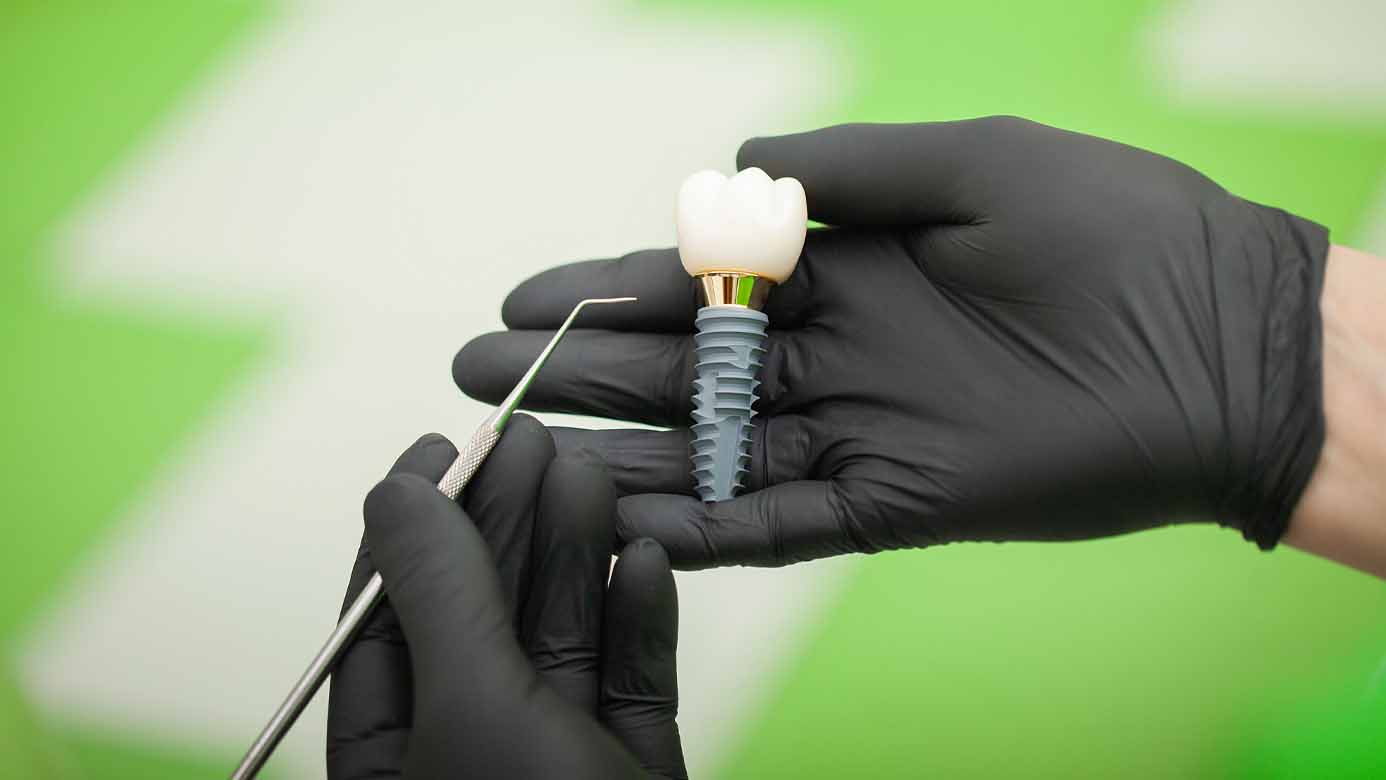
In selected cases, full-mouth or full-arch implant treatment can involve placing multiple implants during one surgical session — for example, a patient needing rehabilitation of both the upper and lower arches may receive several implants as part of a carefully planned full-mouth treatment.
However, full-mouth implant treatment doesn't always mean every stage happens on the same day. Surgical placement and the final fitting of permanent teeth are usually separate stages: many patients receive temporary teeth during the healing period, followed by permanent restorations once the implants have sufficiently integrated with the surrounding bone.
7. All-on-4 vs All-on-6: How Many Implants Are Used?
| All-on-4 | All-on-6 | |
|---|---|---|
| Implants used | 4 strategically positioned implants | 6 implants |
| Typically considered for | Patients who have lost many teeth or need a full arch replaced | Cases where an additional distribution of support is clinically beneficial |
| Depends on | Bone availability, jaw anatomy, bite forces, gum health, existing restorations | Same factors — assessed individually, not by preference alone |
All-on-4 and All-on-6 are not competing options where one is automatically right for everyone. A dentist determines the appropriate configuration only after a detailed assessment of bone availability, jaw anatomy, the number and condition of remaining teeth, bite and chewing forces, gum health, existing restorations, and long-term restorative requirements.
8. Implants After Extraction & Same-Day Crowns
Can implants be placed after tooth extraction?
In some cases, a dental implant can be placed immediately after a tooth is extracted — known as immediate implant placement. It isn't appropriate for every extraction, though: the condition of the bone, presence of infection, remaining bone volume and the stability achievable during placement all need to be considered. In other cases, extraction is followed by a healing period before implant surgery.
Can you get an implant and crown on the same day?
Patients sometimes hear "same-day dental implants" and assume the permanent crown is always fitted the same day as surgery — this isn't necessarily the case. Immediate loading means a provisional restoration may be attached soon after placement, once sufficient primary stability and other clinical requirements are met. The permanent restoration is usually fitted later, once healing and integration are complete. For full-arch treatments, temporary teeth can often be provided while the implants heal.
9. Why Would a Dentist Place Multiple Implants at Once?
Fewer surgical appointments
When clinically appropriate, combining procedures reduces the number of separate surgical visits needed.
Comprehensive treatment planning
Planning several implants together lets the dentist consider the entire bite and restoration, rather than treating each gap in isolation.
Better prosthetic planning
Implant positions need to work with the final crowns, bridge or full-arch restoration — planning them together coordinates the surgical and restorative sides of treatment.
A more efficient trip for international patients
For patients travelling for treatment, a coordinated plan can make the overall process more efficient. At The Pearl Clinic Antalya, treatment planning for international patients is built around their clinical needs and travel schedule.
Considering Full-Arch or Multiple Implants?
Share your case with our team and we'll help you understand whether All-on-4, All-on-6 or another approach fits your situation.
10. Does More Implants Mean Longer Recovery?
Not necessarily. Recovery time doesn't depend solely on the number of implants — other factors can matter just as much, or more:
- Complexity of the surgery
- Bone grafting
- Sinus procedures
- Number and location of surgical sites
- Individual healing response
- Oral hygiene
- Smoking status
- General health
- Type of restoration
A patient receiving several straightforward implants may recover relatively easily, while a single implant involving complex bone grafting can require more extensive healing. This is exactly why treatment should be assessed individually rather than judged purely by implant count.
How long does healing take?
Dental implants require a biological healing process called osseointegration, during which the surrounding bone bonds with the implant surface. The exact period varies between patients and depends on implant location, bone quality, the surgical procedure and whether additional procedures were performed — for many conventional treatments, several months are needed before the final permanent restoration is fitted. At The Pearl Clinic Antalya, some full-arch treatment plans are structured around two visits, with the second taking place after an appropriate healing period.
11. What Happens Before Multiple Implants Are Placed?
Step 1 — Consultation
The dentist discusses your dental history, concerns, expectations and treatment objectives.
Step 2 — Dental examination
The condition of the teeth, gums, bite and oral tissues is assessed.
Step 3 — Dental imaging
X-rays and, where appropriate, 3D imaging evaluate the jawbone and surrounding anatomical structures.
Step 4 — Digital planning
Digital technology helps determine implant positions and their relationship to the planned restorations.
Step 5 — Treatment planning
The dental team determines how many implants are required and whether additional procedures are needed.
Step 6 — Implant placement
The planned implants are surgically positioned.
Step 7 — Temporary restoration
Depending on the treatment, temporary teeth may be provided.
Step 8 — Healing and integration
The implants undergo the necessary healing process.
Step 9 — Permanent restoration
Once the implants and surrounding tissues are ready, the final crowns, bridge or full-arch restoration is fitted.
12. Why 3D Imaging Matters
When several implants are being considered, understanding the three-dimensional anatomy of the jaw becomes particularly important. A 3D scan helps the dental team evaluate:
- Available bone height
- Bone width
- Bone density
- Nerve location
- Sinus position
- Existing roots
- Anatomical limitations
- Potential implant positions
At The Pearl Clinic Antalya, digital treatment planning is built into the implant workflow, connecting digital scanning and computer-assisted planning with the surgical plan and the final restoration.
13. Is It Better to Get All Implants at Once?
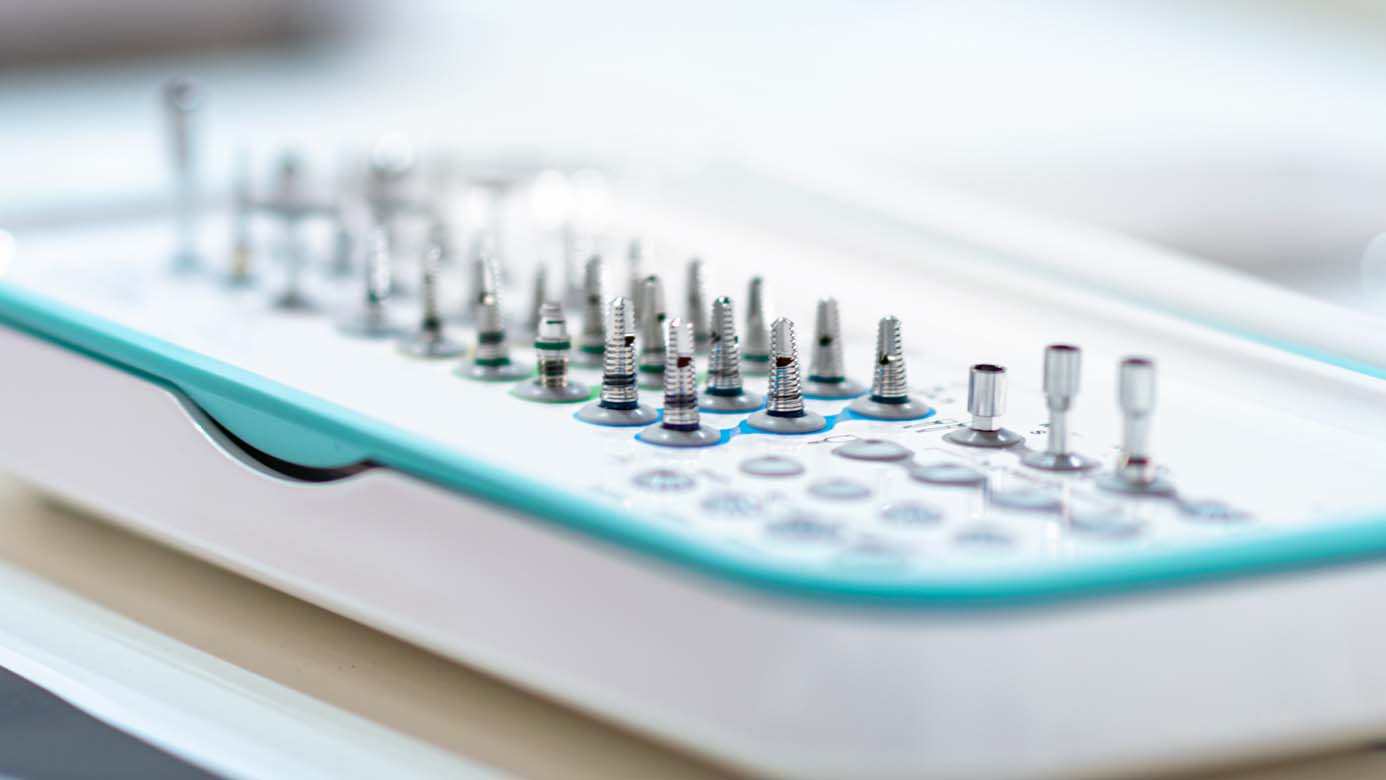
There is no single answer that applies to every patient. For some, placing multiple implants in one treatment is practical and clinically appropriate; for others, staged treatment is safer or more suitable. The decision can depend on:
- Oral infection
- Bone condition
- Need for bone grafting
- Number of teeth being replaced
- Implant position
- Medical history
- Healing requirements
- Complexity of the restoration
14. Multiple Dental Implants in Antalya
Antalya has become an international destination for comprehensive implant and restorative dentistry. At The Pearl Clinic Antalya, international patients receive implant treatment following an individual consultation and diagnostic assessment, with a digital workflow that may include dental examination, digital scanning, imaging, implant planning, guided implant surgery, temporary restorations, final crowns or full-arch restorations, and coordinated treatment planning around travel arrangements and the timing needed between treatment stages.
Our Team
About Us →
Clinic Owner
Dt. Osman Cengiz
Dentist
Dt. İrem Nur Kılıç
Dentist
Dt. Sevilay Özge Yağcı
Dental Surgeon
Dt. Tuğba Taş Mammadov
Dentist
Dt. Seda Gür
General Manager
Ebru Kırcalıoğlu15. Frequently Asked Questions (FAQ)
How many dental implants can be placed in one day?
Several dental implants can sometimes be placed during the same surgical appointment. The number depends on the patient's anatomy, oral health, treatment complexity and the planned restoration. There is no universal maximum number that applies to every patient.
Can I get 4 dental implants at once?
Yes. Four implants can be placed during one treatment session when clinically appropriate. Four implants are also commonly associated with full-arch treatment concepts such as All-on-4.
Can I get 6 dental implants at once?
Yes, six dental implants may be placed during one surgical session when the patient's clinical condition and treatment plan support it. All-on-6 is one full-arch treatment concept using six implants to support a complete dental arch.
Can you get 8 dental implants at once?
In selected cases, multiple implants can be placed during one procedure, including eight or more. The appropriate number depends on the patient's anatomy and the restoration being planned, and should always be determined following a professional examination.
Can I have dental implants in both jaws at the same time?
In suitable cases, implants can be placed in both the upper and lower jaws during the same overall treatment period. Whether this is appropriate depends on the patient's bone, gums, medical history and treatment complexity.
Can I replace all my teeth with dental implants?
Yes, full-arch implant treatment can replace an entire upper or lower dental arch. Replacing every missing tooth doesn't necessarily require one implant per tooth — full-arch restorations can be supported by strategically positioned implants.
Do you need one implant for every missing tooth?
No. Depending on the situation, an implant-supported bridge can replace multiple adjacent missing teeth using fewer implants, and full-arch restorations can use several strategically positioned implants to support a complete arch.
How long does it take to recover from multiple dental implants?
Recovery varies between patients. The number of implants is only one factor — bone grafting, surgical complexity, implant location and individual healing can also affect recovery.
Can dental implants be placed immediately after extraction?
Sometimes. Immediate implant placement can be possible when the clinical conditions are suitable. However, infection, bone loss and other factors may mean delayed implant placement is more appropriate.
Can you get temporary teeth on the same day as implants?
In suitable cases, temporary teeth may be attached shortly after implant placement. This depends on implant stability, bone conditions and the type of restoration being used — temporary teeth are not the same as the final permanent restoration.
Is All-on-4 the same as full-mouth dental implants?
All-on-4 is a type of full-arch implant treatment that uses four implants to support a complete dental arch. "Full-mouth dental implants" is a broader term that can refer to different treatment approaches for restoring the upper and lower teeth.
Which is better: All-on-4 or All-on-6?
There is no universally appropriate option for every patient. The choice depends on bone anatomy, available support, the condition of the remaining teeth and the planned restoration. A dentist should determine the appropriate approach after examination and imaging.
How long do dental implants take to heal?
Healing and osseointegration commonly require several months, though the exact timeframe varies depending on implant location, bone condition, surgical technique and individual healing. Your dentist will provide a personalised timeline.
Are multiple dental implants safe?
Dental implants are an established treatment for replacing missing teeth, but every surgical procedure carries potential risks. A proper examination, appropriate treatment planning, good oral hygiene and professional follow-up are all important parts of implant care.
How do I know how many dental implants I need?
The number of implants you need can only be determined after assessing your missing teeth, bone, gums, bite and planned restoration. Dental imaging and digital treatment planning help your dentist determine an appropriate implant strategy.
Can I get multiple dental implants if I have bone loss?
Possibly. Bone loss doesn't automatically mean implant treatment is impossible. Depending on the amount and location of bone loss, additional procedures or alternative implant techniques may be considered.
Do dental implants last a lifetime?
Dental implants are designed as a long-term tooth replacement solution, but no dental treatment can guarantee an implant will last forever. Long-term success depends on oral hygiene, gum health, maintenance, bite forces, general health and regular dental care.
Start Your Dental Implant Consultation in Antalya
If you are considering multiple dental implants, full-mouth implants, All-on-4, All-on-6 or an implant-supported bridge, the first step is a detailed assessment. Rather than deciding on a fixed number of implants in advance, we'll help determine the most appropriate approach for your smile.
Chat on WhatsAppThe Pearl Clinic Antalya — Dental Implants & Advanced Dentistry in Antalya, Türkiye
info@thepearlclinicantalya.com | Instagram | Facebook | TikTok
Results may vary from person to person. Dental implant treatment is subject to individual clinical assessment and suitability.